Bergen - Travel Guide
Is Bergen worth visiting?
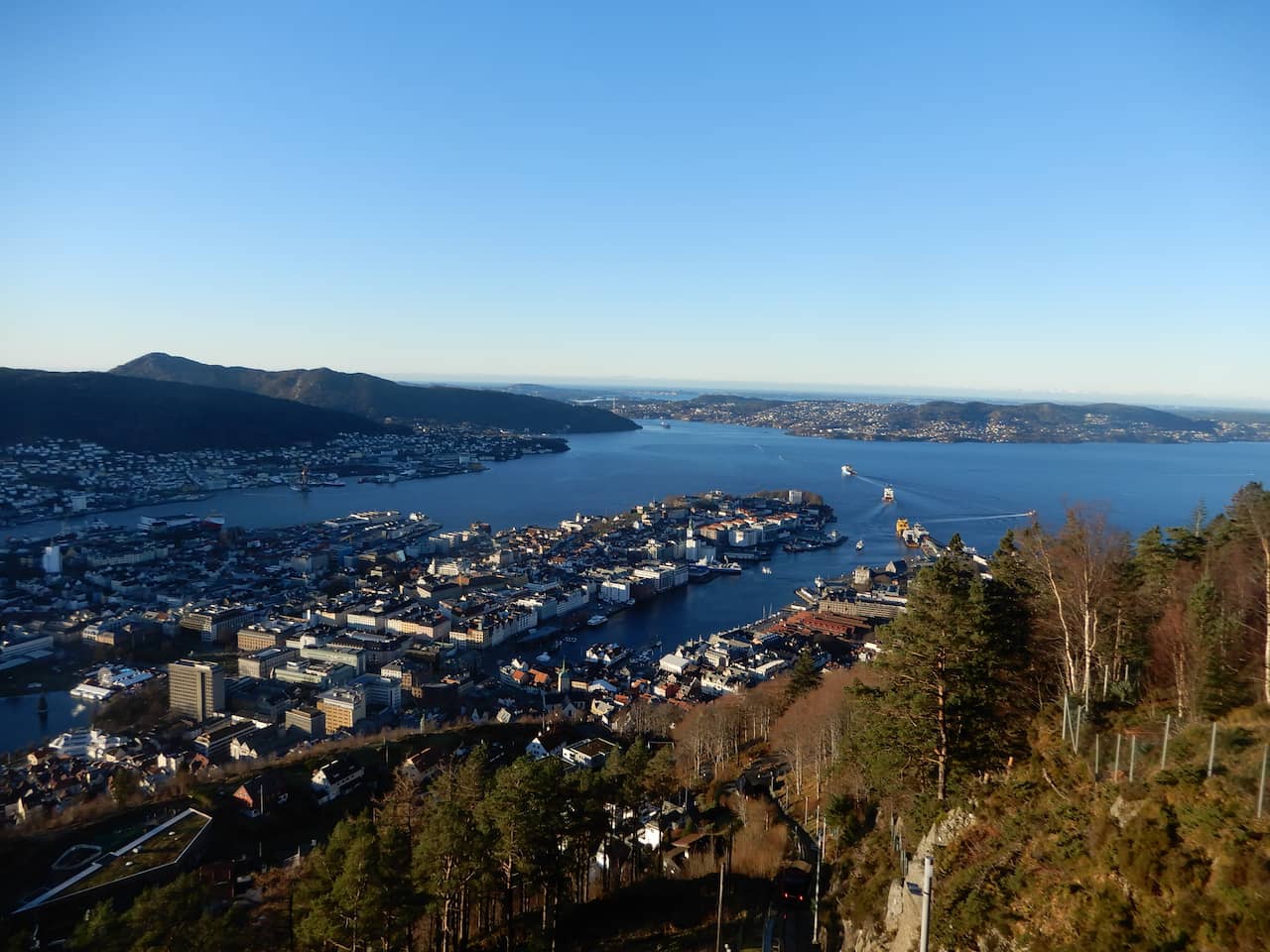
Yes, it’s definitely worth it! Bergen is the second largest city in Norway and serves as the gateway to the world’s most famous fjords. It perfectly balances the charm of a historic village with the energy of a modern university city.
Located on the southwest coast, the city is surrounded by seven mountains and deep waters. The atmosphere is unique, as the pure mountain air mixes with the humidity of the North Sea. It is a place where nature dictates the rhythm of urban life.
You’ll be enchanted by the colorful wooden houses that seem to have come straight out of a fairy tale. Although known as the rainiest city in Europe, Bergen has a special charm that no storm can extinguish. It’s a destination that invites exploration and rewards the traveler at every step.
Culture and tradition in Bergen
Bergen’s culture has deep roots in the Hanseatic League, an ancient trading alliance that transformed the city into a center of power. This mercantile heritage is visible in the architecture and the entrepreneurial spirit of the locals. The port has always been the heart of the city, connecting Norwegians with the rest of the European continent.
In terms of gastronomy, the absolute highlight is the fresh seafood harvested directly from the icy waters. You must try Bergen’s fish soup, which is creamy and comforting on cold days. Furthermore, the arts scene is vibrant, with world-class art museums and a musical tradition ranging from classical to metal.
When should I go to Bergen?
Bergen offers distinct experiences in each season. Therefore, your choice depends on whether you prefer constant sunshine or the magic of snow.
Summer (June to August):
What to expect?
This is the hottest and busiest season, with days that seem endless. The midnight sun provides light until late at night, allowing you to enjoy the trails and parks for much longer. Consequently, accommodation prices rise and tourist attractions are packed with visitors from all over the world.
Seasonal highlights:
- Long days with plenty of daylight.
- Ideal temperature for boat trips in the fjords.
- Street festivals and open-air concerts.
- Best time forhikingin the mountains.
Autumn (September to November):
What to expect?
The landscape changes dramatically, and the mountains take on shades of gold and copper. Rainfall becomes more frequent, but the weather gets cooler and more inviting, perfect for enjoying cozy cafes. Furthermore, the crowds thin out, providing a much more authentic and tranquil experience.
Seasonal highlights:
- Spectacular colors in nature.
- Tickets and hotels at more competitive prices.
- Season for crabs and specific types of seafood.
Winter (December to February):
What to expect?
Winter in Bergen is dark and cold, but the city becomes extremely charming with its Christmas lights. Although it snows frequently, its proximity to the sea prevents temperatures from dropping as low as inland. It’s certainly the ideal time for those seeking a mystical atmosphere and nearby winter sports.
Seasonal highlights:
- Charming Christmas markets.
- Possibility of seeing the Northern Lights in the surrounding area.
- Fewer tourists at the attractions.
Spring (March to May):
What to expect?
Nature awakens and the melting snow in the mountains creates stunning waterfalls around the city. The gardens bloom and locals enthusiastically celebrate the return of the sun. Because of this, it’s a time of renewal and great visual beauty.
Seasonal highlights:
- Waterfalls with maximum water volume.
- Celebration of National Day (May 17th).
- A balance between cool weather and brighter days.
Conclusion of the Season:
If you’re looking for warmth and long days, go in the summer. However, if you prefer to save money and avoid queues, autumn and spring are excellent options. For lovers of snow and Christmas lights, winter is the right time.
Main Tourist Attractions in Bergen
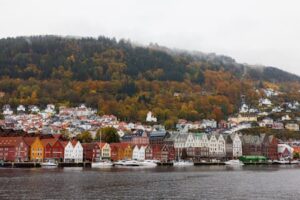
Bryggen (The Old Wharf):
Bryggen is the city’s most iconic landmark and a UNESCO World Heritage Site. It consists of a row of colorful wooden houses that served as warehouses for Hanseatic merchants. As you walk through the narrow alleyways between the buildings, you can smell the old wood and feel transported centuries back in time.
Currently, these buildings house artists’ workshops, craft shops, and charming restaurants. It’s the perfect place to buy authentic souvenirs and understand how the city developed through maritime trade.
Mount Fløyen and the Funicular Fløibanen:
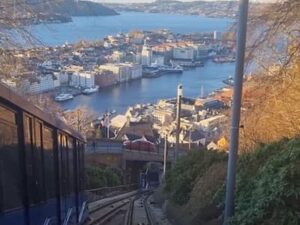
For the best panoramic view of Bergen, you need to go up Mount Fløyen. The funicular departs from the city center and takes you to the top in just six minutes. From up there, the view of the city surrounded by water and mountains is breathtaking.
Besides the view, the summit offers several well-marked trails for all fitness levels. You’ll also find a café and recreational areas, making it a must-see for both tourists and locals seeking contact with nature.
Fish Market (Fisketorget):
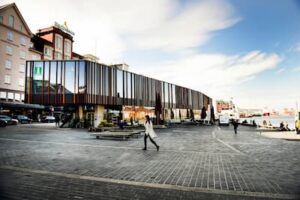
Located in the heart of the port, the fish market is a feast for the senses. Since the 13th century, this place has been a meeting point for fishermen and buyers. You can see rare specimens of fish and sample delicacies such as whale meat (optional) and giant crabs.
The market has an open-air section and a modern, enclosed hall that operates year-round. It’s the ideal place for a quick and fresh lunch, allowing you to experience the true taste of the North Sea while watching the boats go by.
Norwegian Fjords
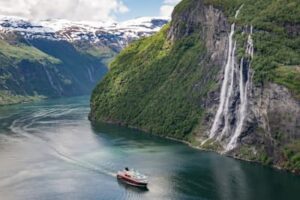
Bergen is the heart of the Norwegian fjords; the main ones are the Sognefjord, the longest and deepest in the country, and the Hardangerfjord, famous for its apple orchards.
Navigating these waters reveals rock walls that touch the sky and deep, icy blue waters. Waterfalls rise from impressive heights, fed by melting snow. Small, colorful villages dot the shores, defying the isolated geography.
Mountain Trails
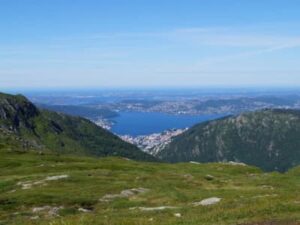
Bergen is surrounded by seven mountains offering trails for all levels. The most famous is Mount Fløyen, accessible by funicular or easy paved paths, ideal for families.
If you’re looking for a challenge, the Stoltzekleiven has about 900 stone steps in a steep climb. Mount Ulriken, the highest peak, offers breathtaking panoramic views. For a complete immersion, the Vidden traverse connects Ulriken to Fløyen in about 5 hours of hiking across the plateau.
These routes combine fresh air, silence, and the visual reward of the meeting between mountain and sea.
How to get there
Bergen is an easily accessible city, regardless of your starting point in Europe.
- Plane: Bergen Airport (BGO) receives international flights and offers quick connections from Oslo. The modern light rail (VLT) makes easy access to the city center.
- Car: The journey from Oslo to Bergen takes approximately 7 hours. Despite the distance, the route offers some of the most beautiful roads in the world.
- Train: The Bergen Railway is world-famous. It crosses snow-capped mountains and deep valleys on an unforgettable 8-hour journey from the capital.
GET YOUR FREE TRAVEL STARTER KIT
Enter your email and receive planning tips including a step-by-step checklist, how to pack, and more so you can plan your trip like a pro!

How to get around
Getting around Bergen is simple and intuitive due to the city’s compact size.
- On foot:The historic center and main attractions are very close together. Walking is undoubtedly the best way to discover hidden details and charming alleyways.
- Public Transportation:The bus and light rail (Bybanen) systems are extremely efficient. You can easily buy tickets through mobile apps.
- Bicycle:The city has bike paths and it’s a highly encouraged mode of transportation, although the uphill sections can be challenging for those who are less prepared.
- Taxi and Apps:Taxis are expensive, but they are available at strategic points. Ride-hailing apps also operate in the area for added convenience.
Custos
A Noruega é conhecida pelo custo de vida elevado. Devido a dificuldade de acesso, principalmente no inverno as cidades ao norte são mais caras.
Bergen e comparada a capital Oslo. Contudo, para não ter problemas é melhor preparar o bolso e planeje-se bem.
Economic
Staying in hostels using shared dormitories, making your own food and/or eating at local and cheap restaurants, using local transport, exploring the city on foot and taking free or cheap tours.
- Meals: US$25 – US$30
- Accommodation: US$40 – US$55
- Transportation: US$10 – US$20
- Tours: US$20 – US$30
Estimated daily cost: US$95 – US$135.
intermediary
Staying in hostels/budget hotels in private rooms, eating in average restaurants, going to major paid attractions, using some taxis and Uber.
- Meals: US$ 50 – US$ 70
- Accommodation: US$ 100 – US$ 130
- Transportation: US$ 20 – US$ 30
- Tours: US$ 50 – US$ 80
Estimated daily cost: US$ 220 – US$ 310.
Luxurious
Staying in the best hotels, going to all the attractions, hiring more sophisticated packages such as using a helicopter, etc.
- Meals: US$150+
- Accommodation: US$250+
- Transportation: US$100+
- Tours: US$150+
Estimated daily cost: US$650+.
Security in Bergen
In general, Bergen is an extremely safe city for all travelers, including those traveling alone. However, it is wise to maintain the same basic vigilance you would exercise anywhere in the world.
Money and Payments:
Norway is a society with almost no cash. Use credit or debit cards for everything, as even street vendors accept digital payments. Avoid carrying large amounts of cash.
Locomotion and Nature:
The biggest risk in Bergen is not crime, but the sudden changes in weather. If you plan on hiking, wear appropriate footwear and waterproof clothing. The ground can be slippery due to constant rain or ice in winter.
Behavior:
Norwegians are reserved and highly respect personal space. Be polite and follow local rules, especially regarding silence and cleanliness in public areas. Honesty is a fundamental value here.
Emergency Care:
The emergency number for the police is 112. For medical assistance, dial 113. You will find that assistance is quick and very efficient in any emergency situation.
More information at VisitBergen.
Let's travel?
Still have questions or need inspiration?
Check out the Blog section, with lots of unmissable tips and articles that will prepare you to discover incredible destinations.
Your next trip starts here
Ready? Then let's hit the road...
Book your flight.
Finding cheap flights can be difficult and stressful, but with the tips from the Blog and using Skyscanner or Google flights, the task can even be enjoyable.
Today, these are the most complete tools on the market
Book your accommodation.
With that in mind, it’s time to choose your accommodation.
The best tool is Booking.com.
For those who are going to use hostels, the best tool is Hostelworld.
I have used both very often and always find the best prices.
Get your insurance
Insurance is something we never want to use, but it is traumatic if we need it and don’t have it.
It will cover the costs of any eventuality of illness, injury, theft and/or cancellations of tickets, hotels, etc.
I have used WorldNomads or Assistcard, which always have the insurance with the coverage that travelers need, in addition to having coverage worldwide.