
Project to discover the 7 new wonders of the modern world.
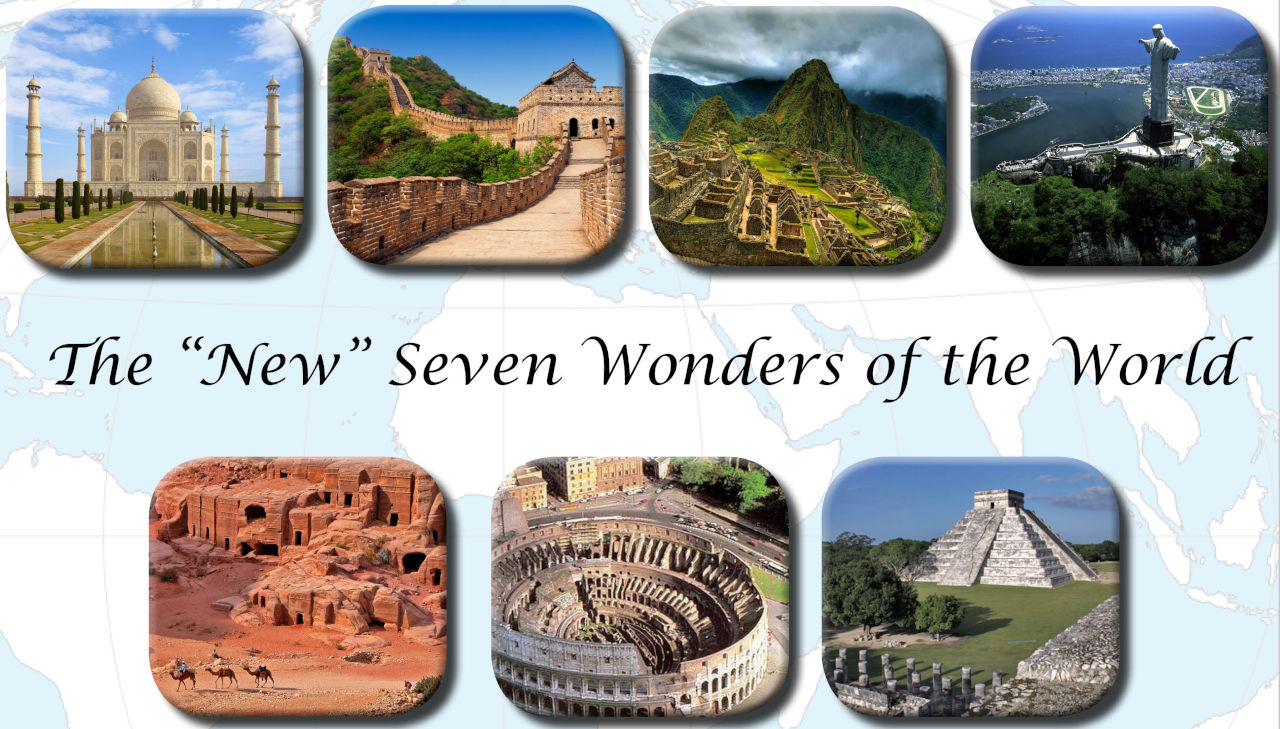
The 7 wonders of the world are proof that human ingenuity knows no bounds.It is reflected in the need to leave a mark on the world, whether through devotion, power, or pure architectural achievement.
Two thousand years after the Greeks defined the 7 wonders of the (ancient) world, the 7 new wonders of the modern world were announced in 2007.
A Swiss organization, New Open World Corporation (NOWC), created a list of 200 monuments, and based on criteria such as beauty, technical complexity, historical and cultural value, among others, they narrowed it down to 21 monuments.
As 7 Wonders of the Modern WorldThey represent icons of engineering and history. They are:
1. Christ the Redeemer (Brazil).The famous postcard image of Rio de Janeiro.
With its arms outstretched overlooking Rio de Janeiro, the Art Deco-style statue was inaugurated in 1931 atop Corcovado Mountain. Made of reinforced concrete and soapstone, the monument is 38 meters tall, including the pedestal. It originated from the Catholic Church’s desire to create a strong symbol of faith in the country, becoming the greatest icon of Brazilian tourism.
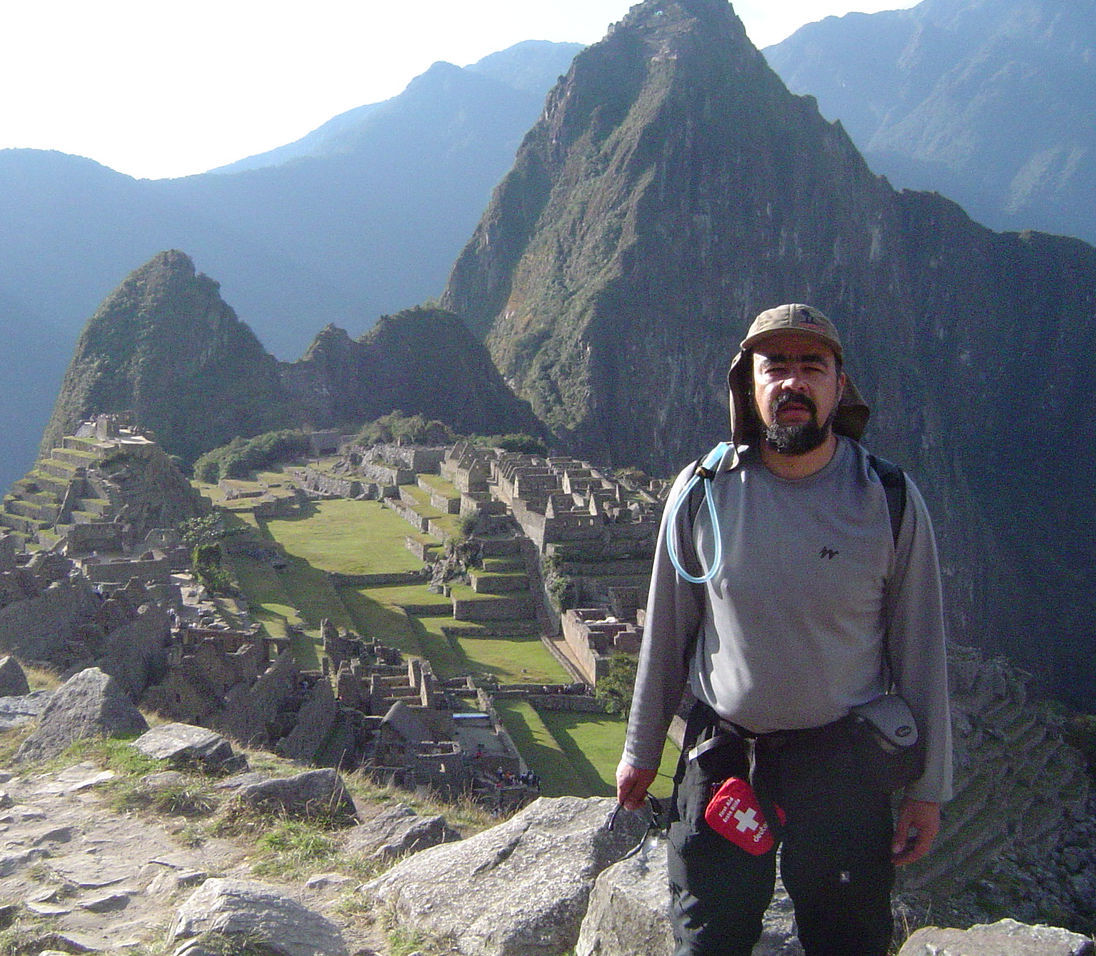
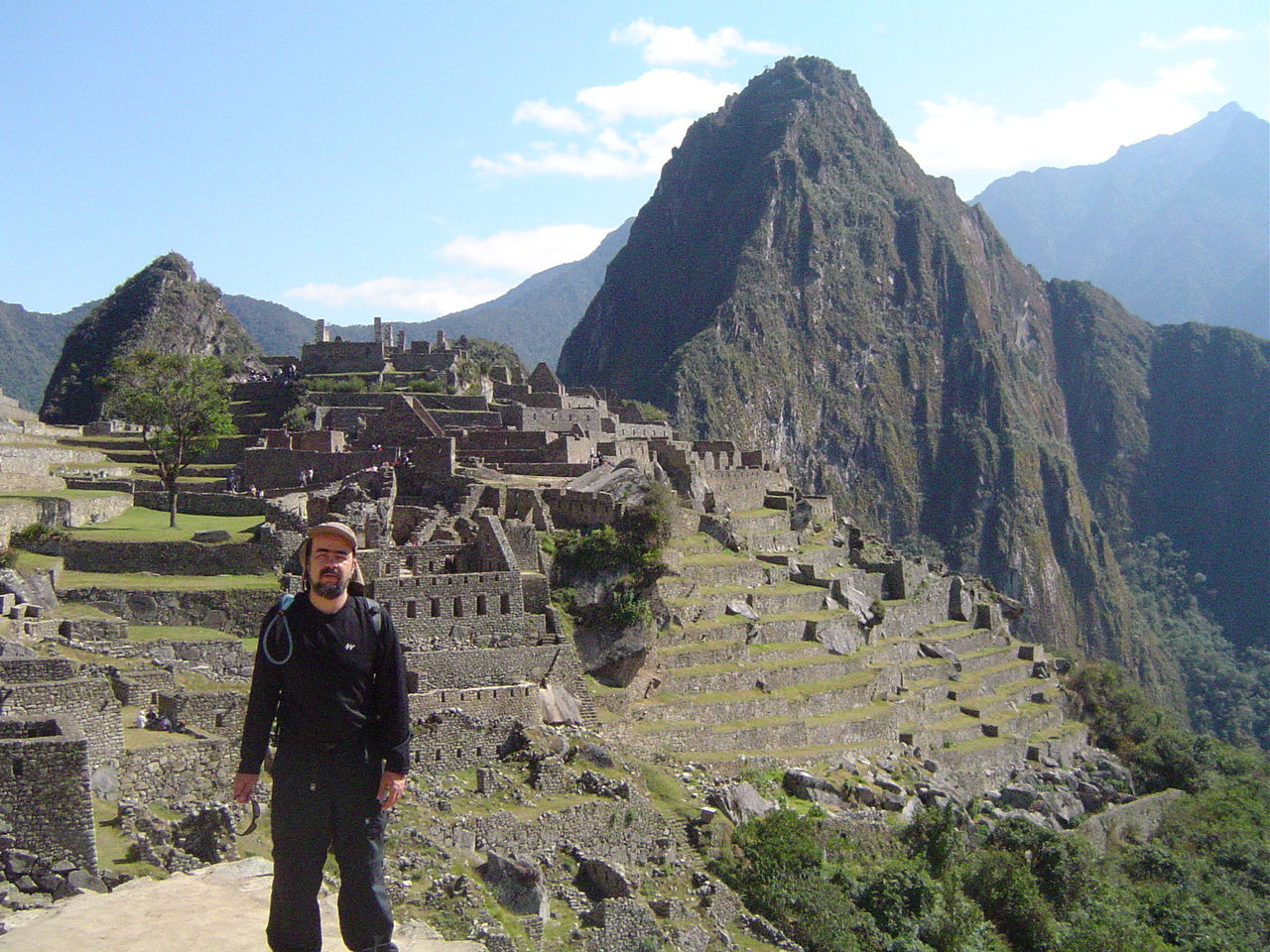
2. Machu Picchu (Peru).Inca city hidden among mountains.
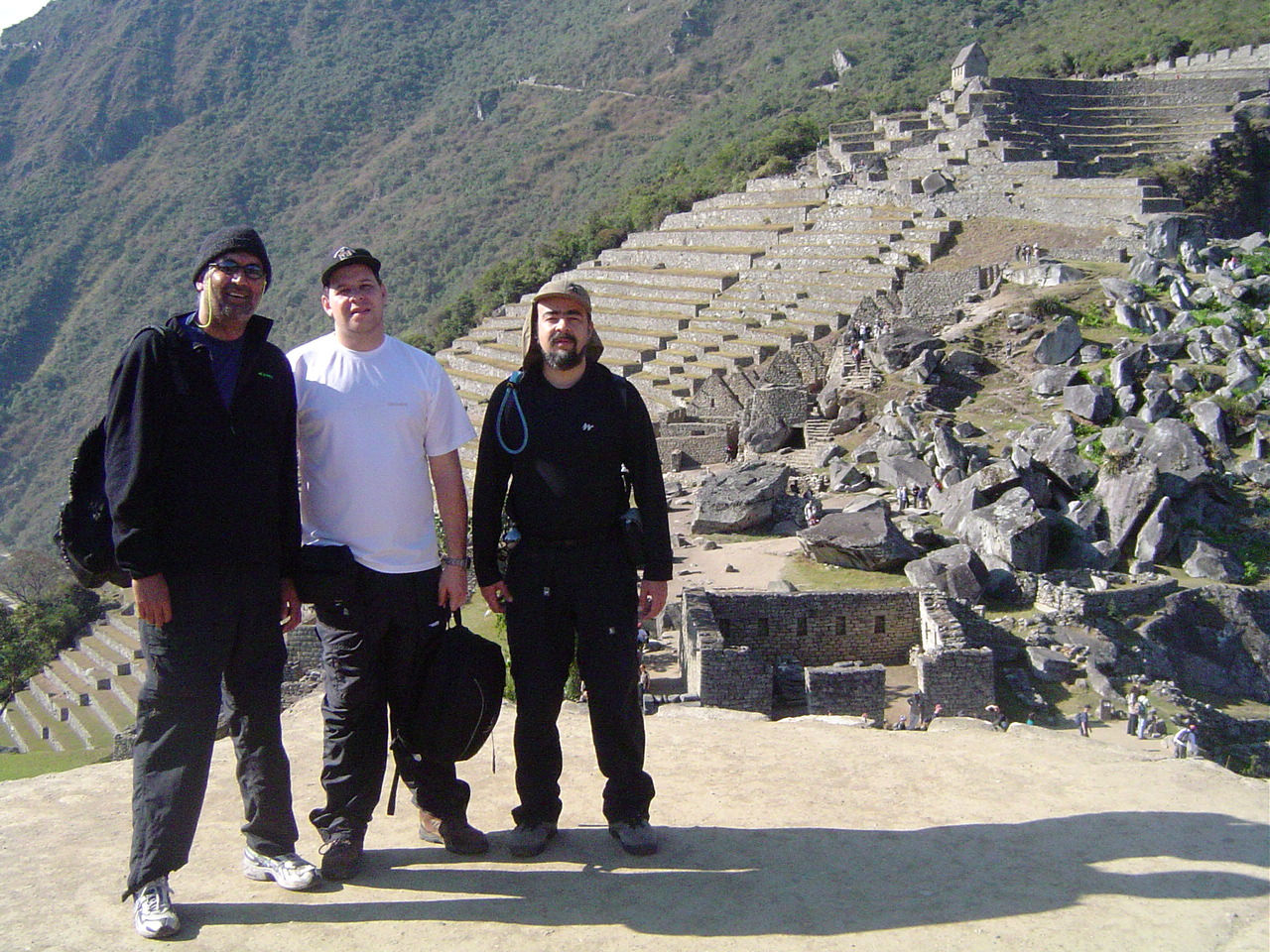
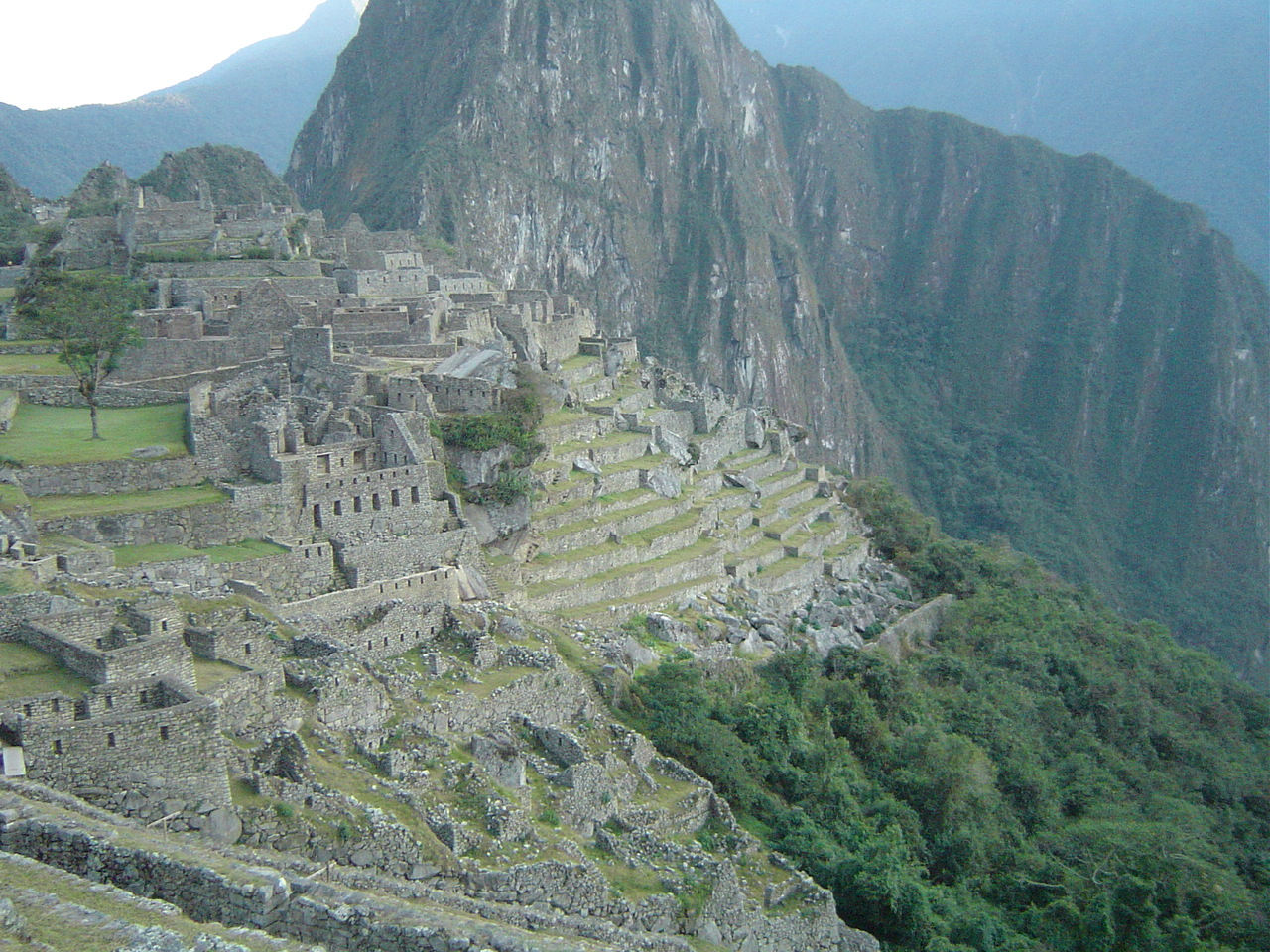
The “Lost City of the Incas” sits atop a mountain in the Andes mountain range, at an altitude of 2,430 meters. Built in the 15th century under the command of Emperor Pachacuti, the site served as a religious sanctuary and royal residence. The engineering is impressive due to the perfect fit of the stones, made without the use of mortar, and the agricultural terraces that prevented the mountain from sliding.
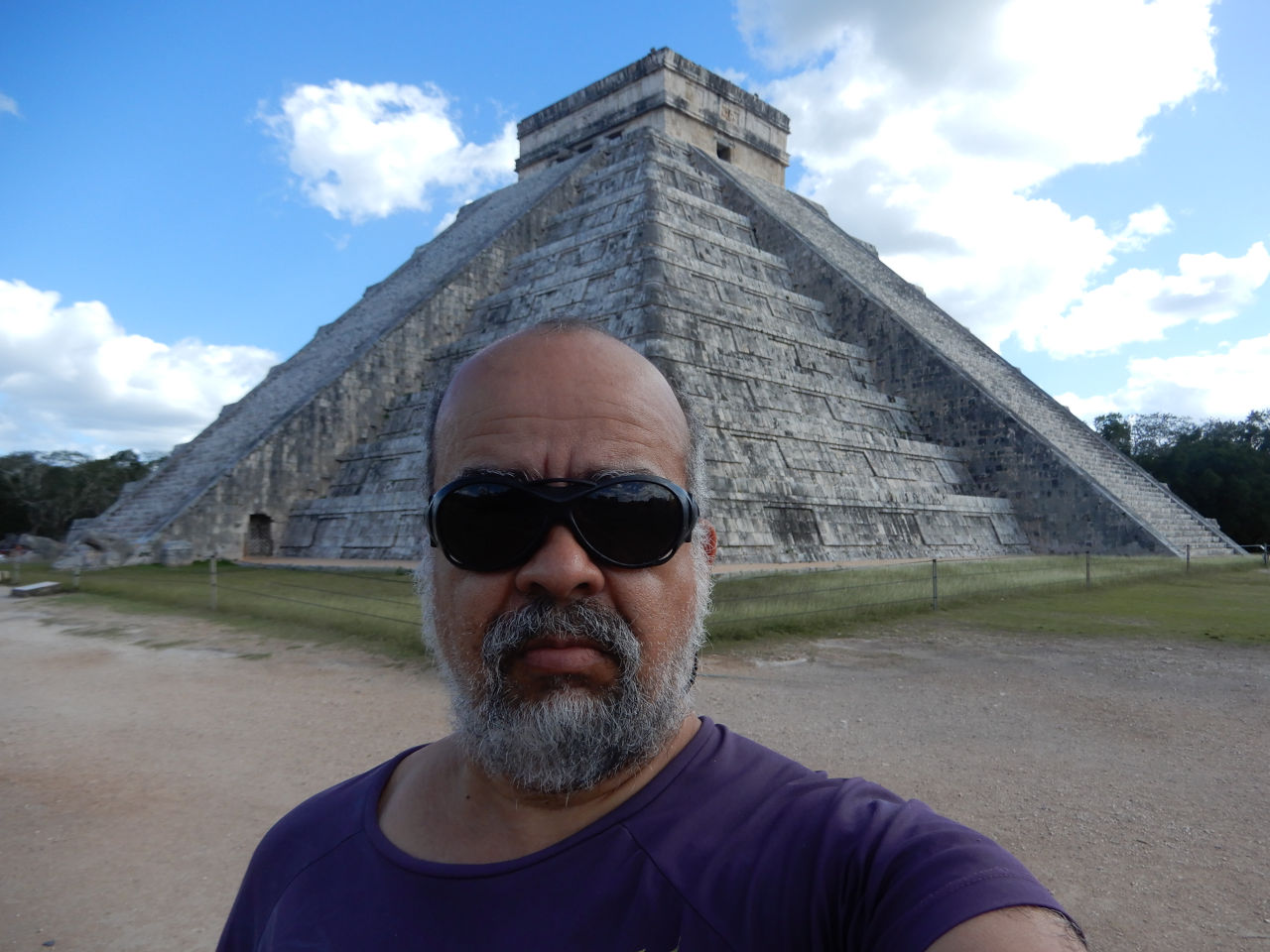
3. Chichen Itza (Mexico).Mayan city with the impressive Pyramid of Kukulcán.
This ancient Mayan city, located on the Yucatán Peninsula, served as the political and economic center of the civilization between the 9th and 12th centuries. The highlight is the Pyramid of Kukulcán (El Castillo). The monument functions as a giant stone calendar: during the equinoxes, the interplay of light and shadow projects the silhouette of a feathered serpent descending the temple steps.
4. Colosseum (Italy).Roman arena that witnessed epic battles.
The largest amphitheater ever built began construction in Rome in 72 AD, during the reign of Vespasian. With a capacity of over 50,000 spectators, the venue hosted gladiatorial combats, executions, and even simulated naval battles, where the arena was flooded. The structure represents the pinnacle of Roman engineering in the use of arches and concrete.
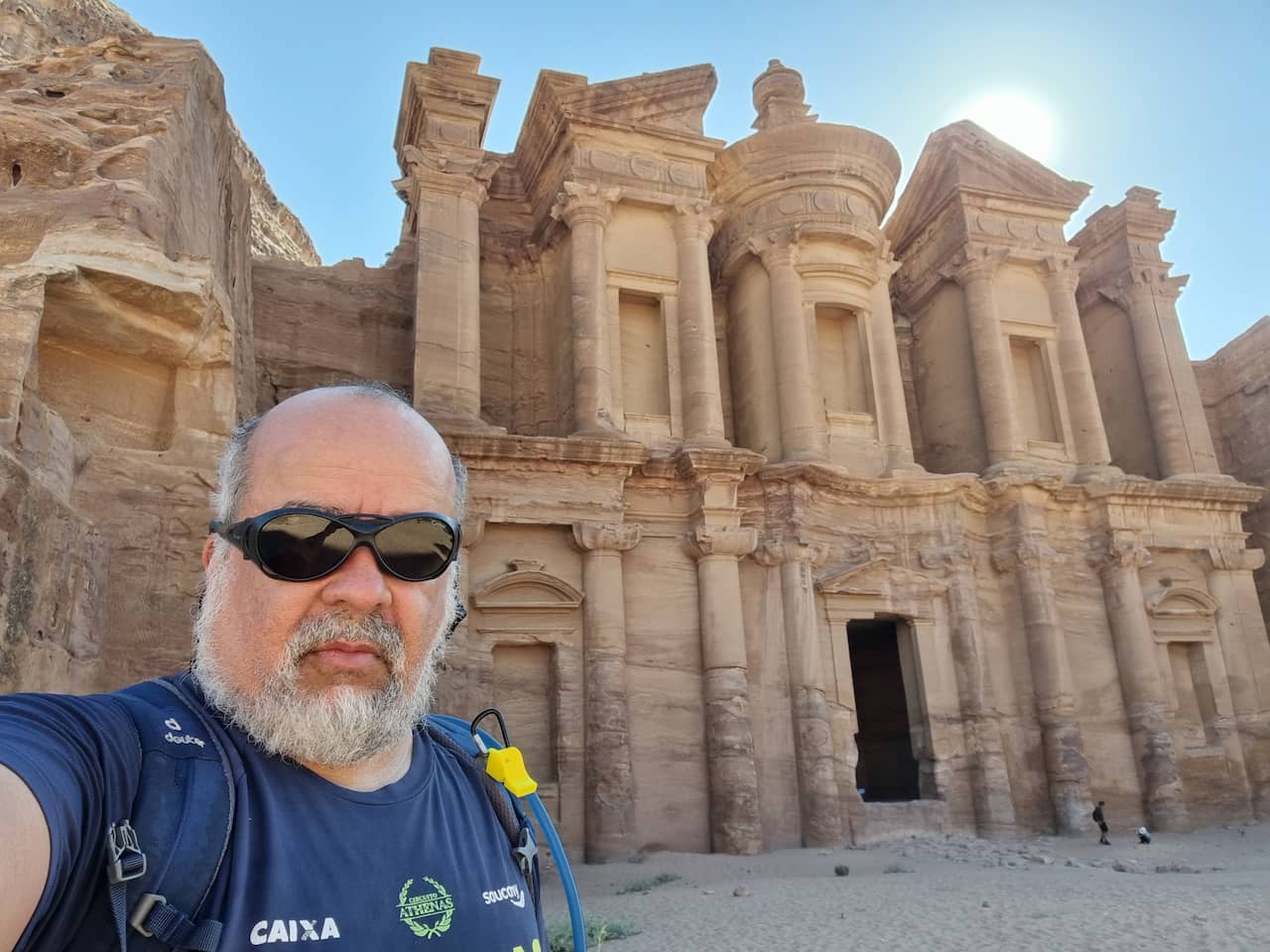
5. Ruins of Petra (Jordan).A city carved from pink rocks.
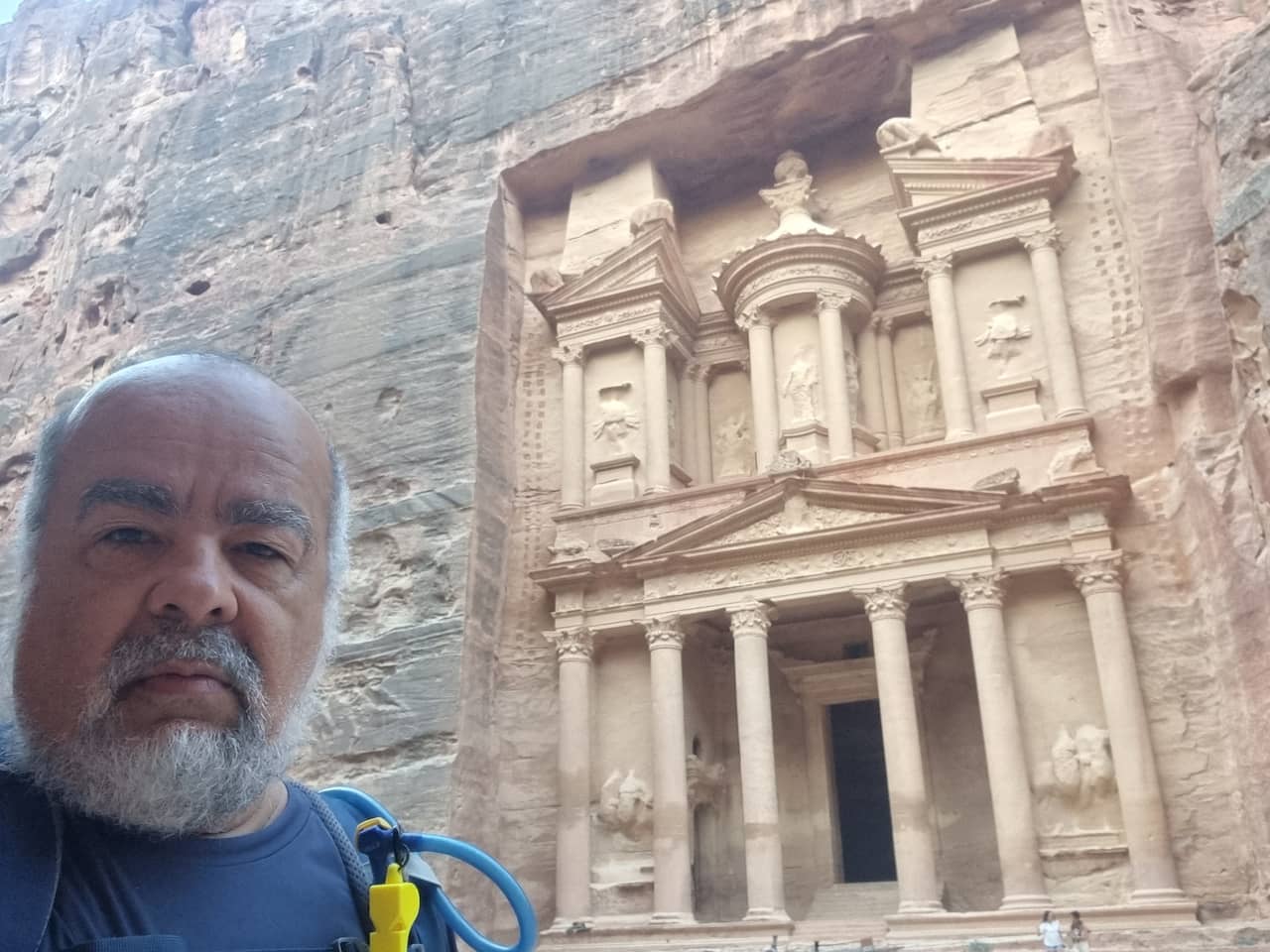
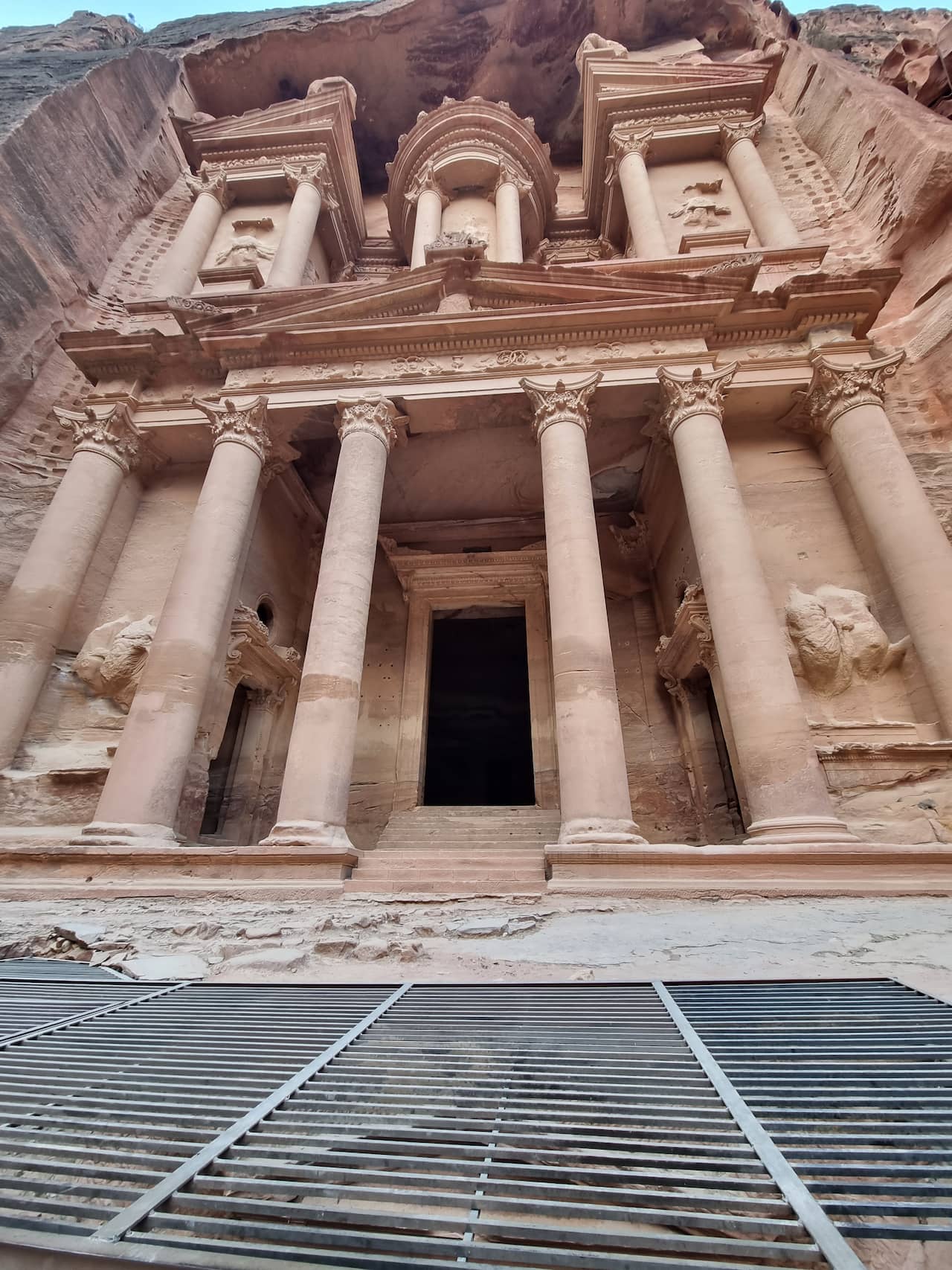
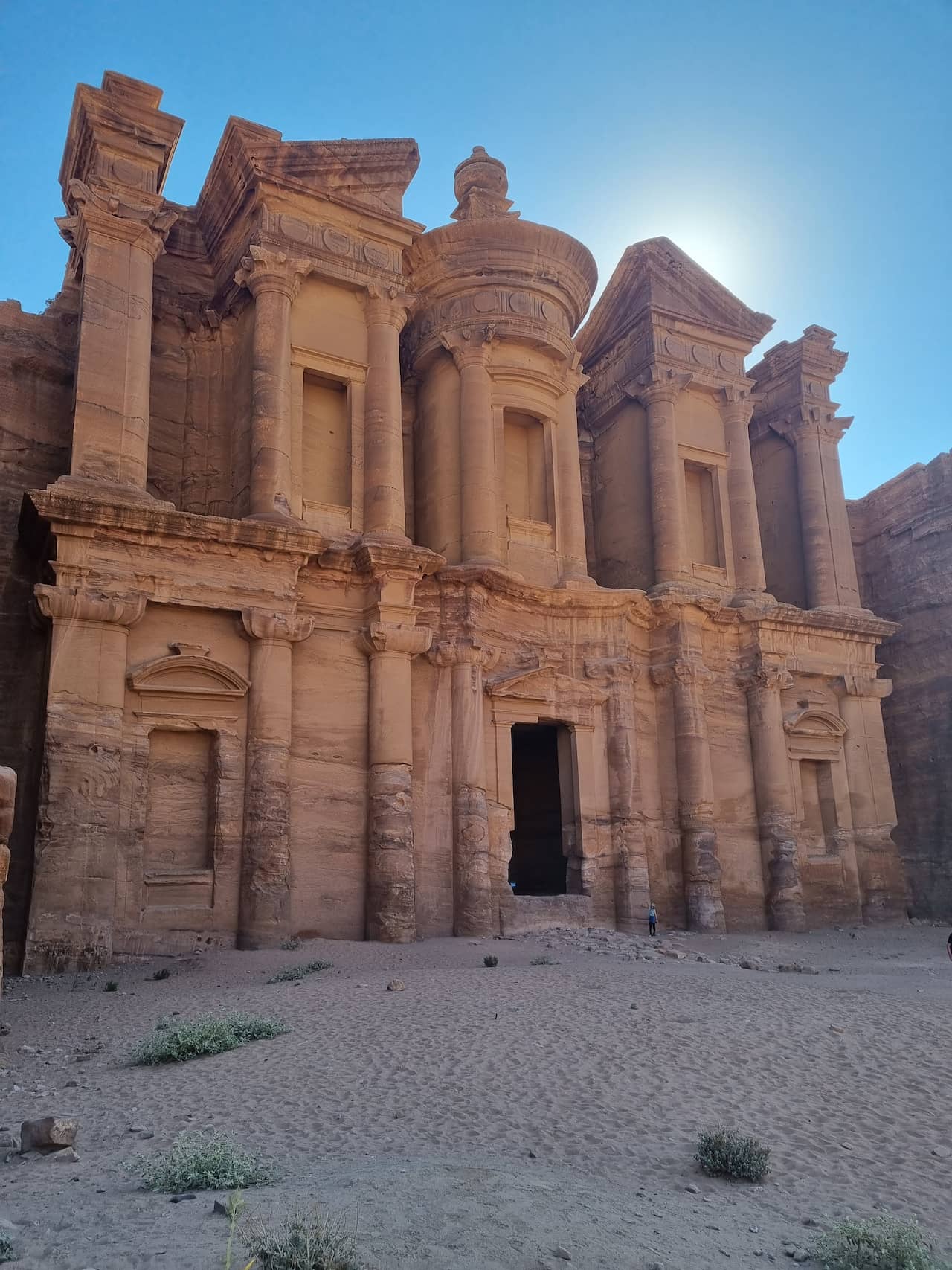
Carved directly into the pink sandstone rocks, Petra was the prosperous capital of the Nabatean Kingdom from the 6th century BC. The city thrived by dominating the spice and silk trade routes. The most famous facade, known asAl-Khazneh(The Treasury) impresses with its Hellenistic details carved into the mountain itself.
6. Taj Mahal (India).A mausoleum of love and architectural beauty.
The white marble mausoleum in Agra is the greatest testament to architectural love. Mughal Emperor Shah Jahan ordered its construction in 1632 to honor the memory of his favorite wife, Aryumand Banu Begam, who died giving birth to the couple’s 14th child. The complex took approximately 20 years to complete and involved over 20,000 artisans.
7. Great Wall of China (China).An age-old defense against invasions.
A colossal military defense structure built over several dynasties, beginning in the 3rd century BC and consolidated during the Ming Dynasty. The wall is not a single line, but rather a system of walls, fortresses, and watchtowers that stretches for over 21,000 kilometers to protect the empire against invasions from nomadic peoples of the north.
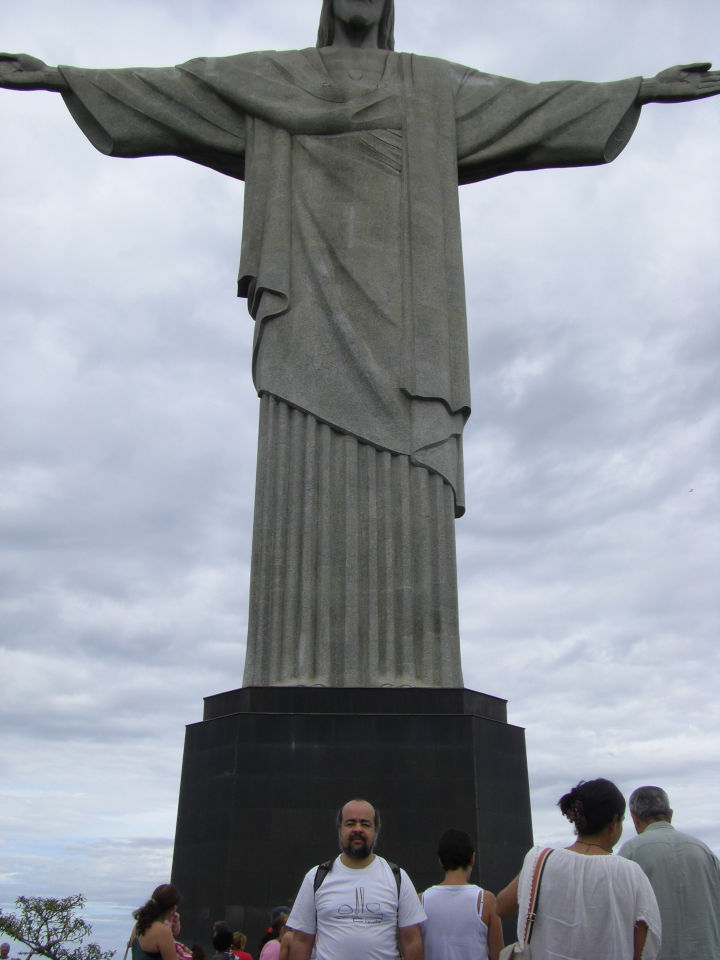
Christ the Redeemer - Rio de Janeiro – Brazil.
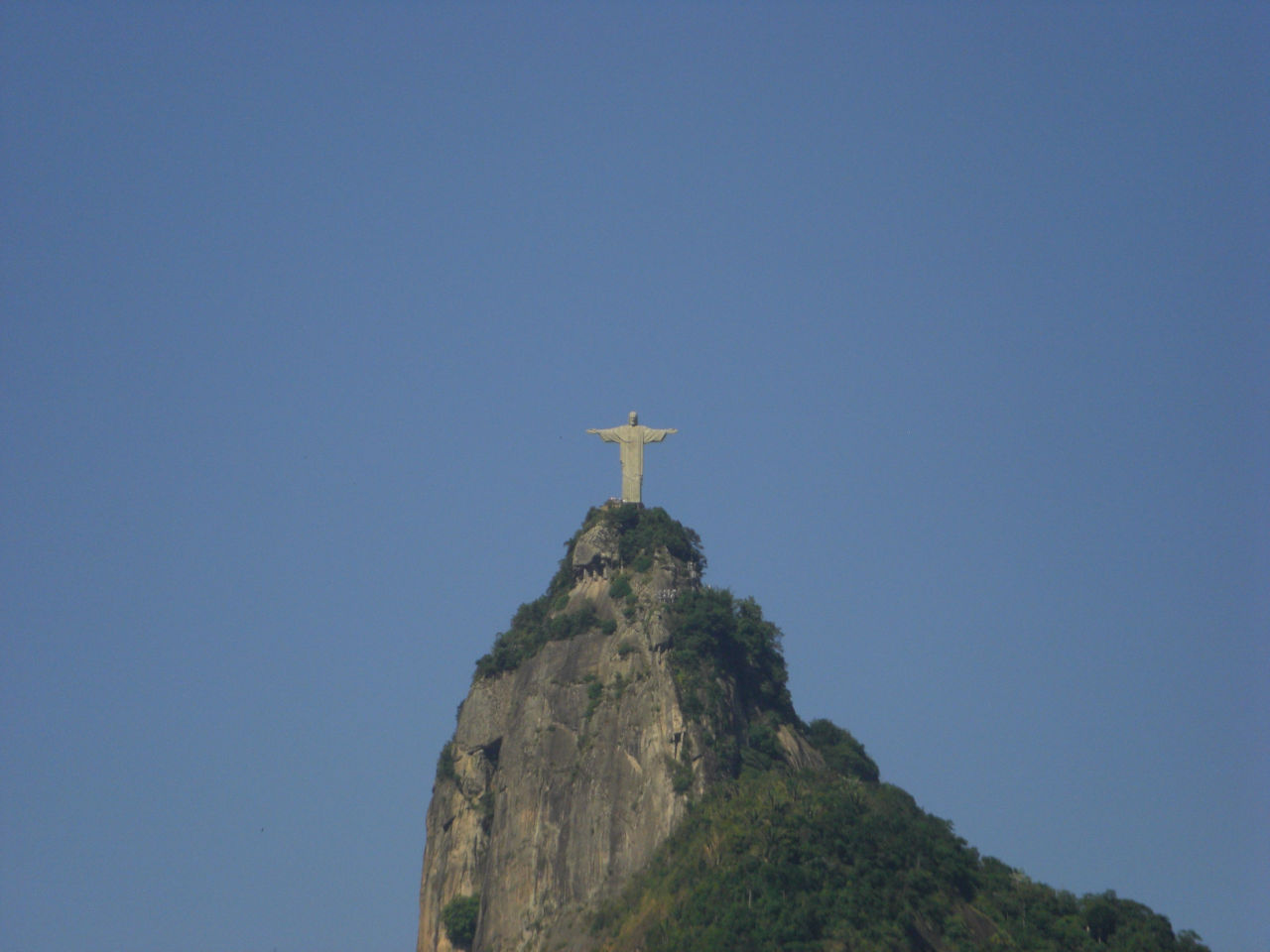
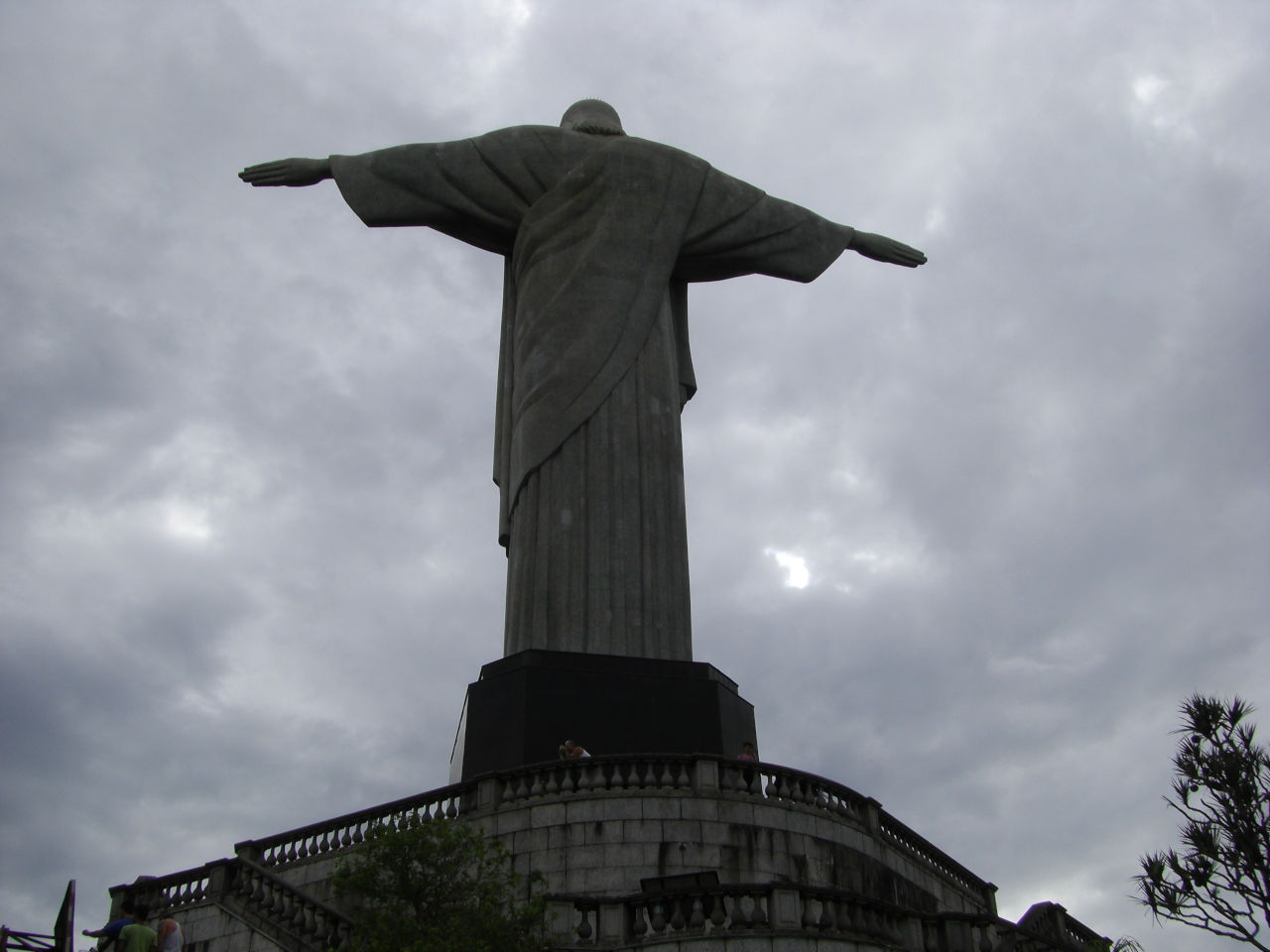
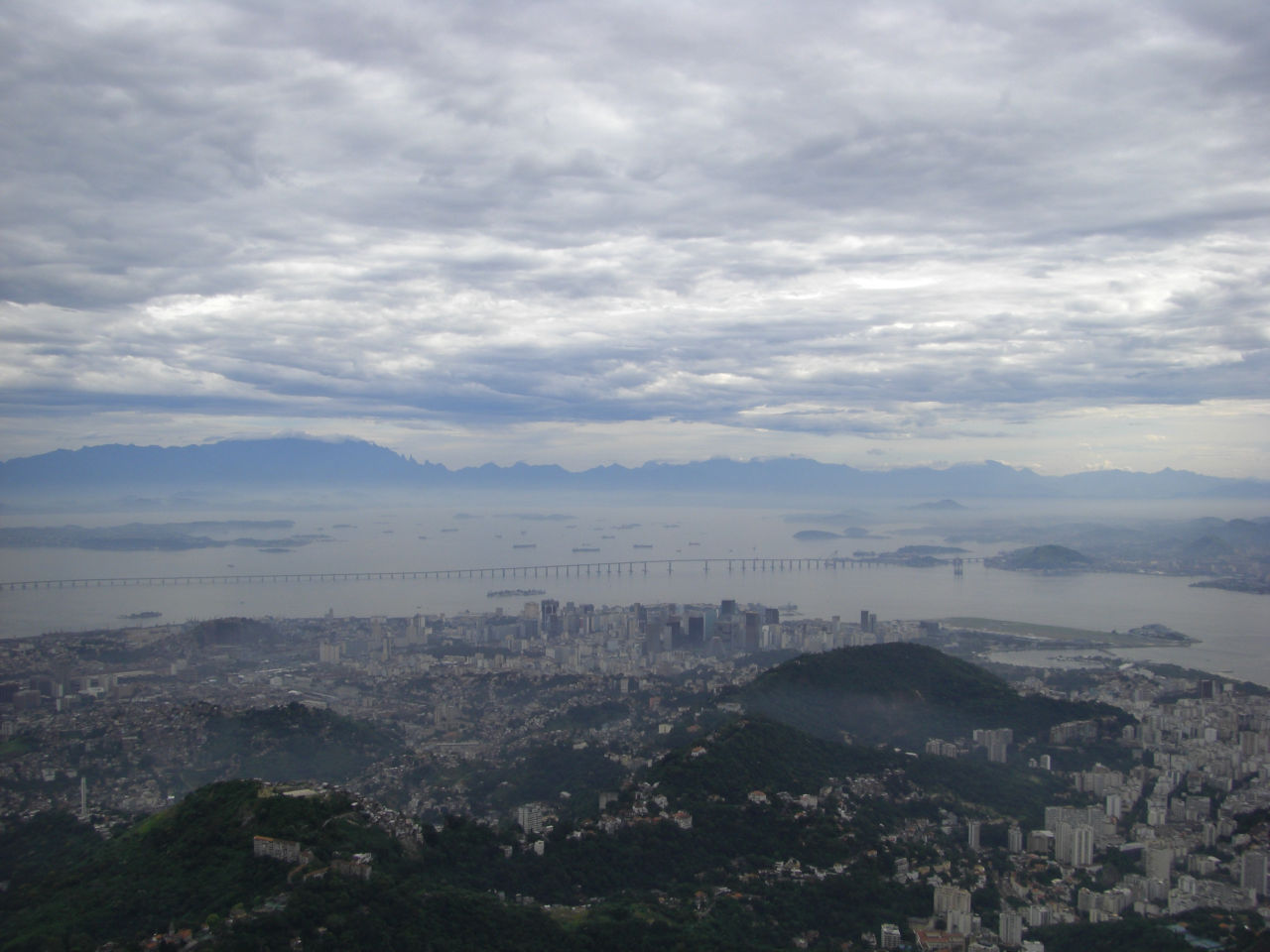
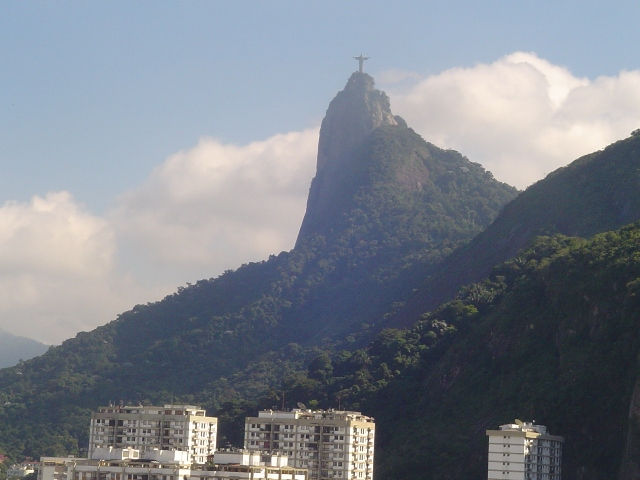
Christ the Redeemer is the heart of Rio de Janeiro and one of Brazil’s greatest symbols. Perched atop Corcovado Mountain, 710 meters above sea level, the 38-meter-tall statue dominates the horizon and embraces the Marvelous City.
Its history is impressive. Construction took nine years, and it was inaugurated in 1931. Made of reinforced concrete and covered with thousands of small soapstone tiles, the monument withstands time and weather, carrying a strong meaning of peace and faith.
To experience this, you can take a train up through the Atlantic Forest, use the accredited vans, or tackle an ecological trail.
The Experience of Being Up There
I’ve visited this modern wonder of the world many times, and the feeling never changes. The train ride up through the forest is impressive in itself.
When you finally reach the top, the impact is immediate.
The first thing that catches your eye is the grandeur of the structure. Looking up and seeing its outstretched arms cutting through the blue sky. Sometimes it dramatically emerges from between the clouds. All of this makes you feel small. The wind blows strongly up there, bringing the scent of the sea and the forest.
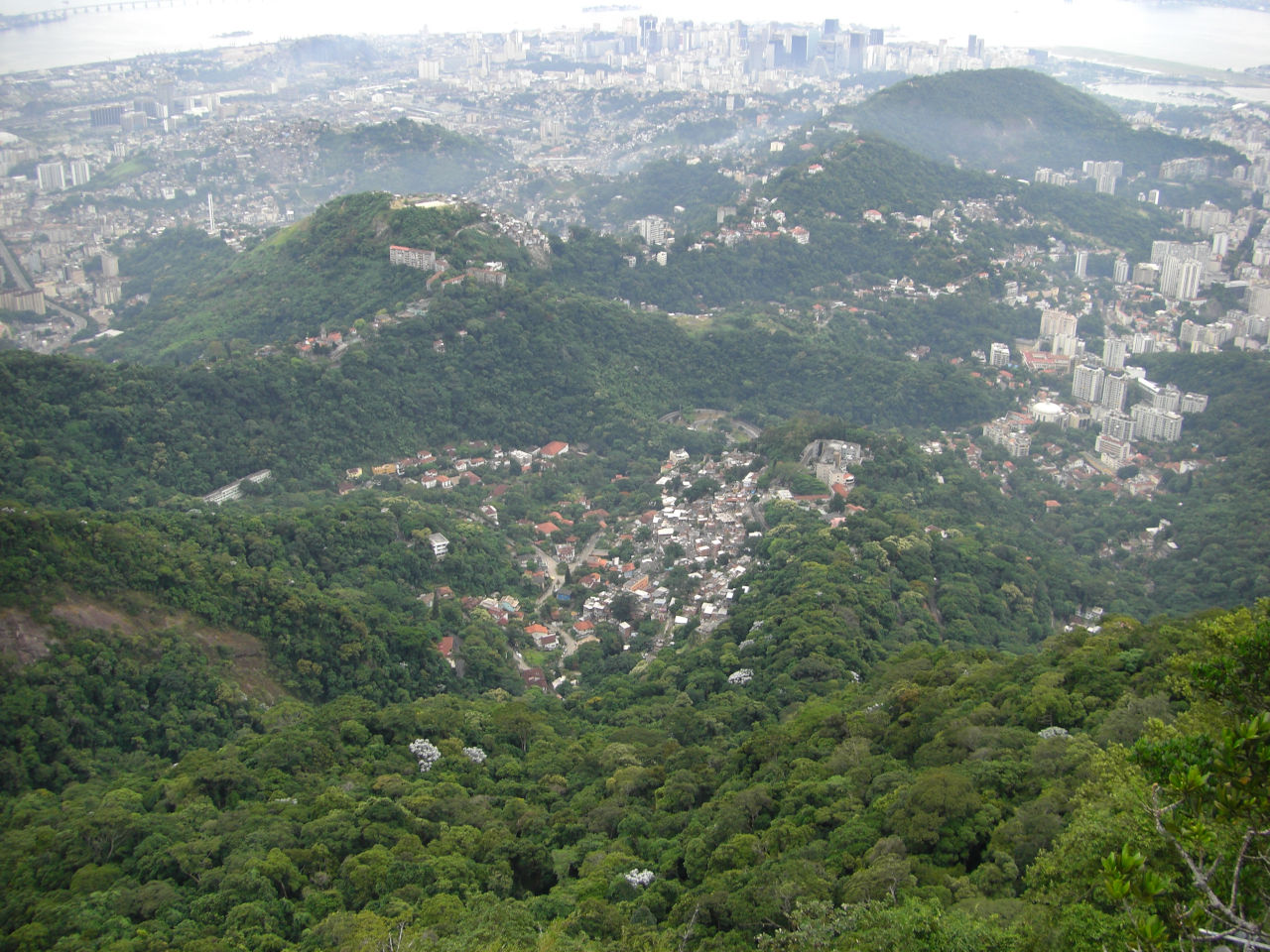
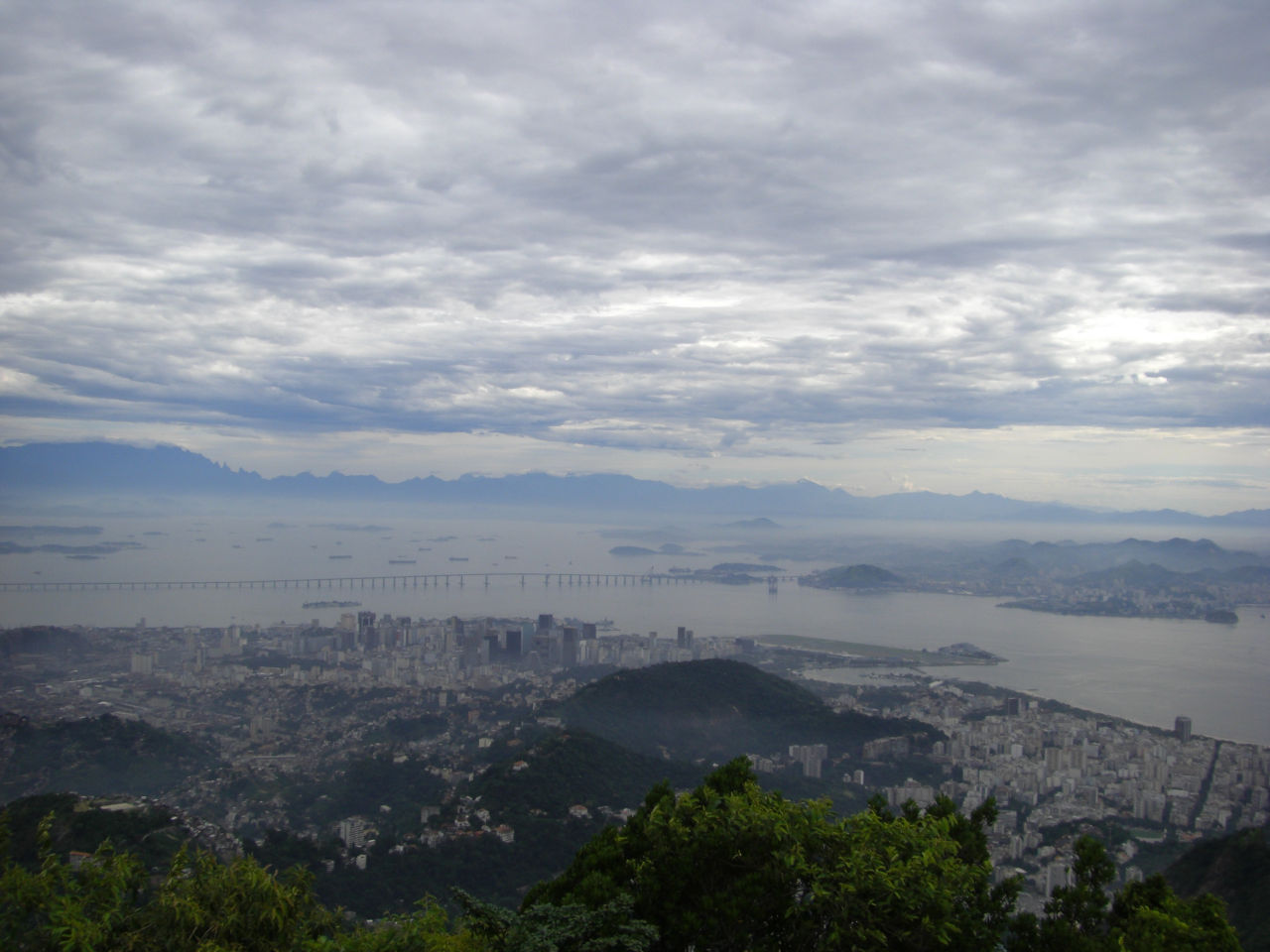
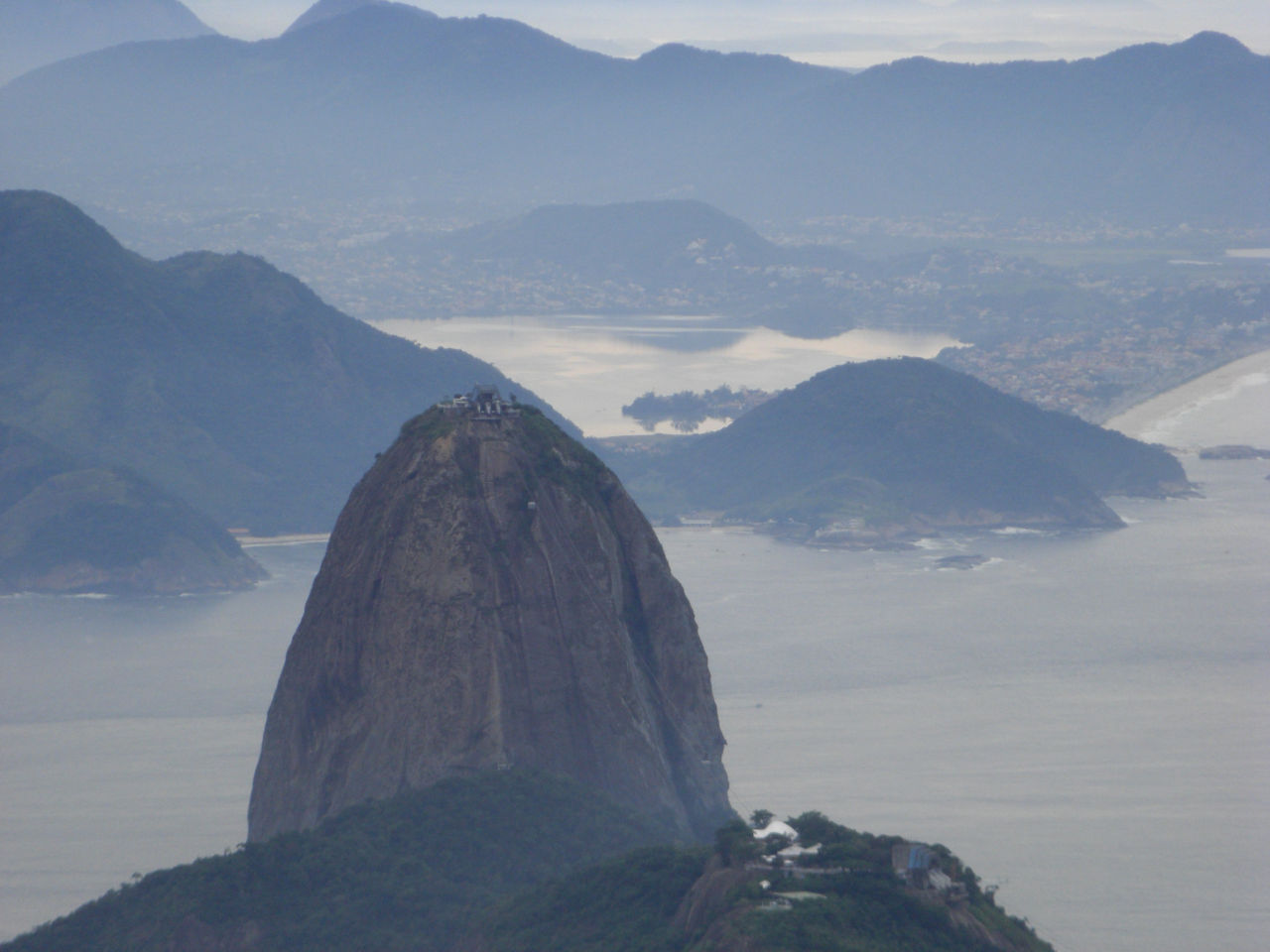
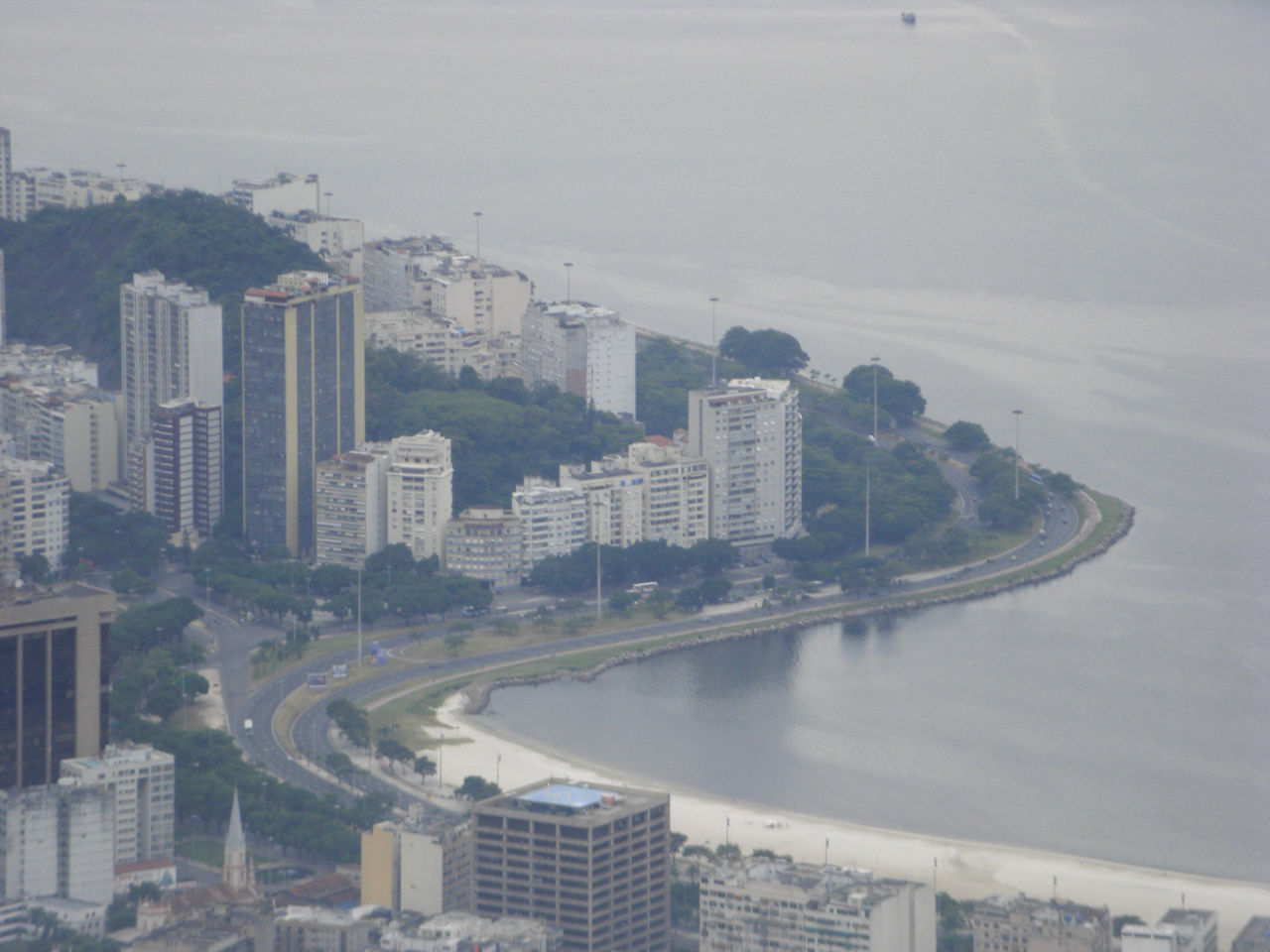
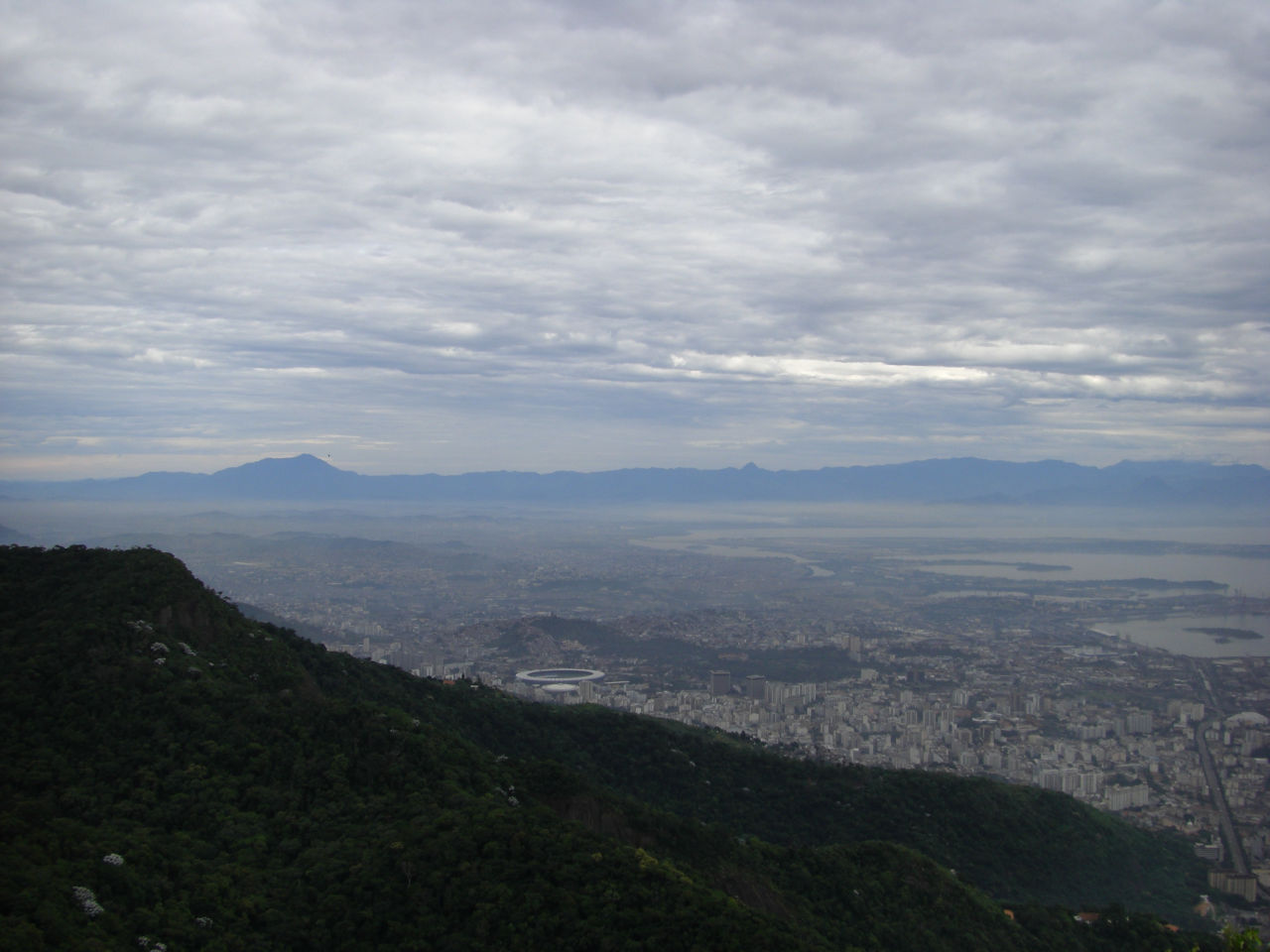
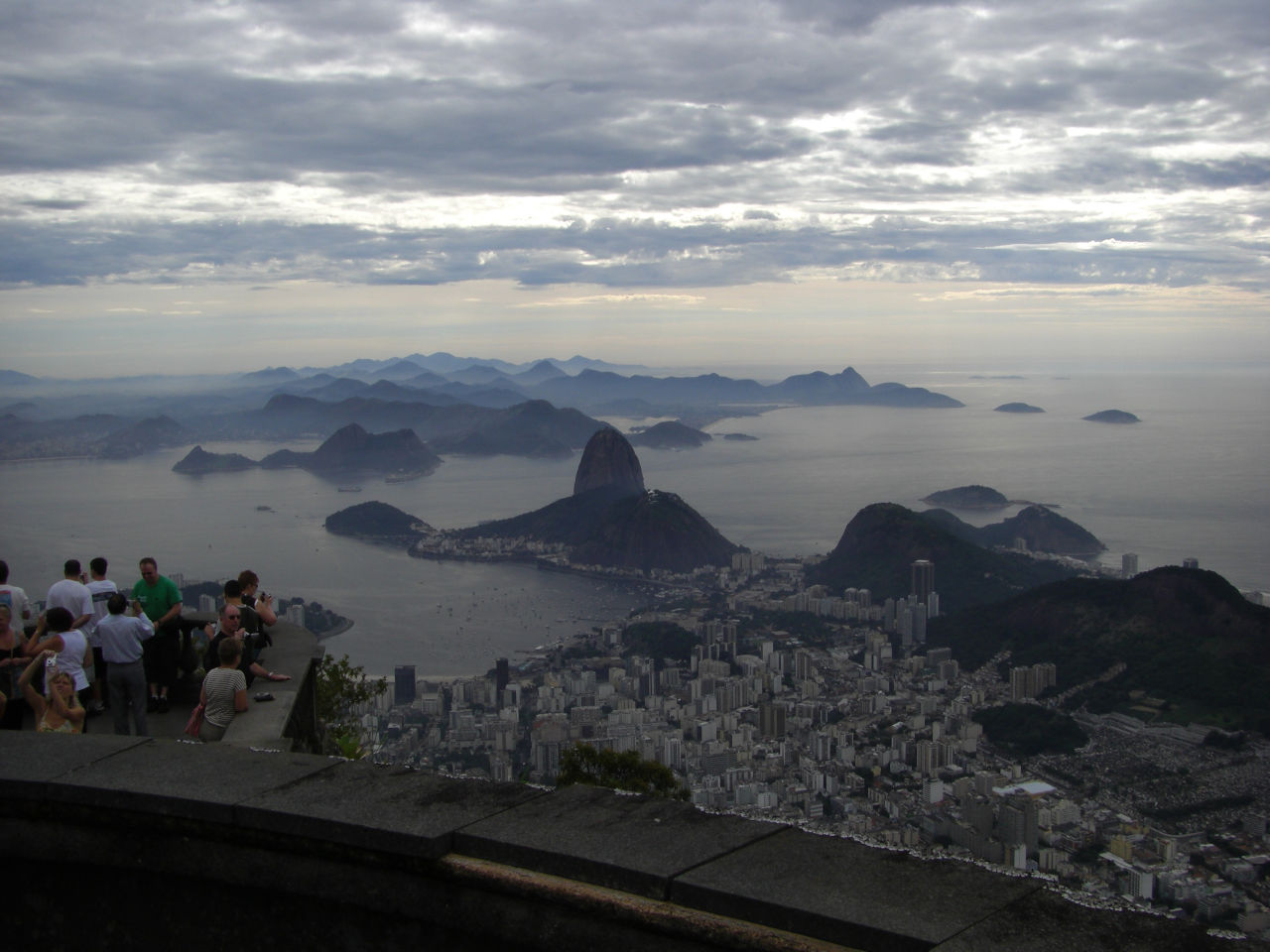
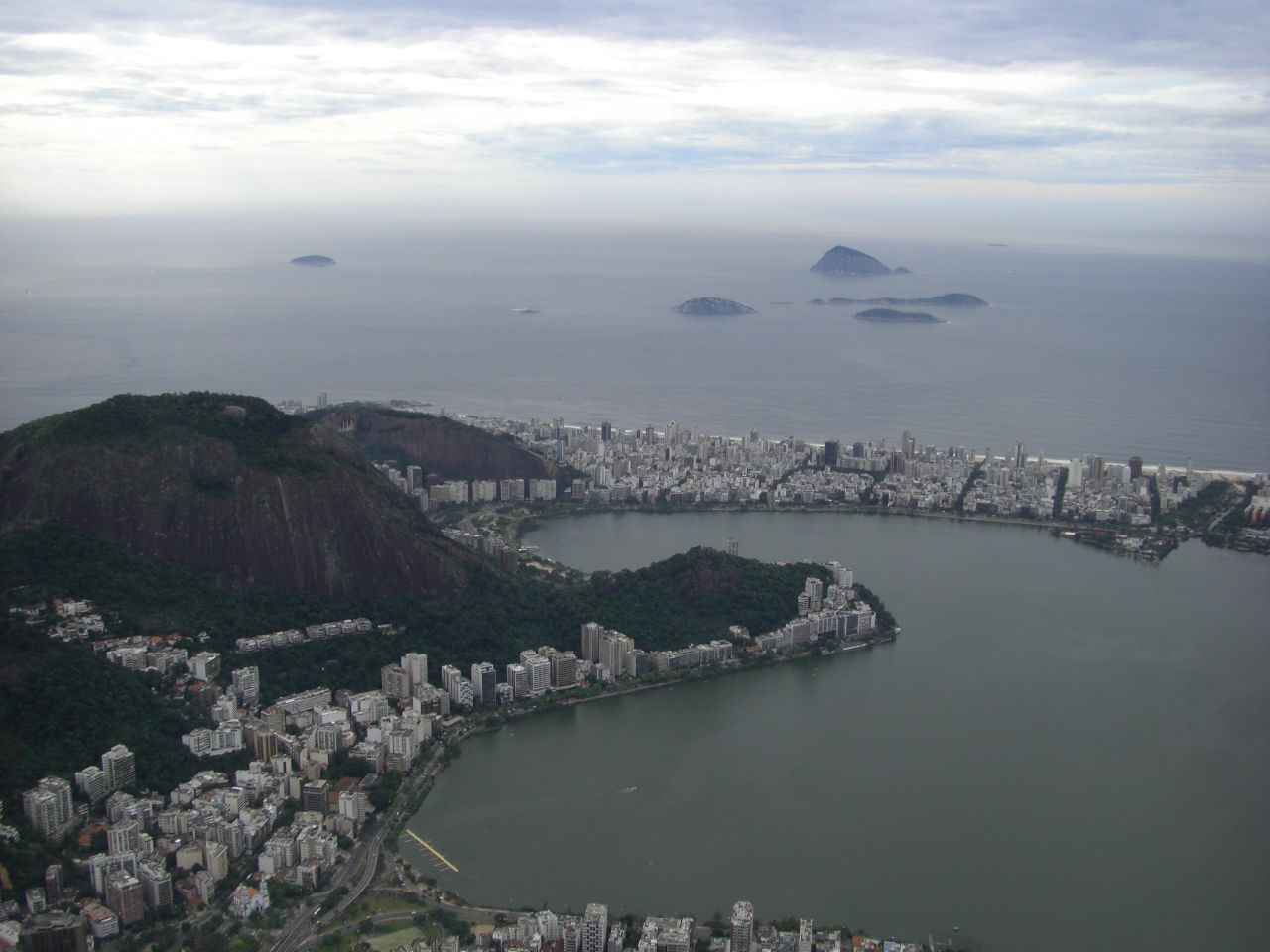
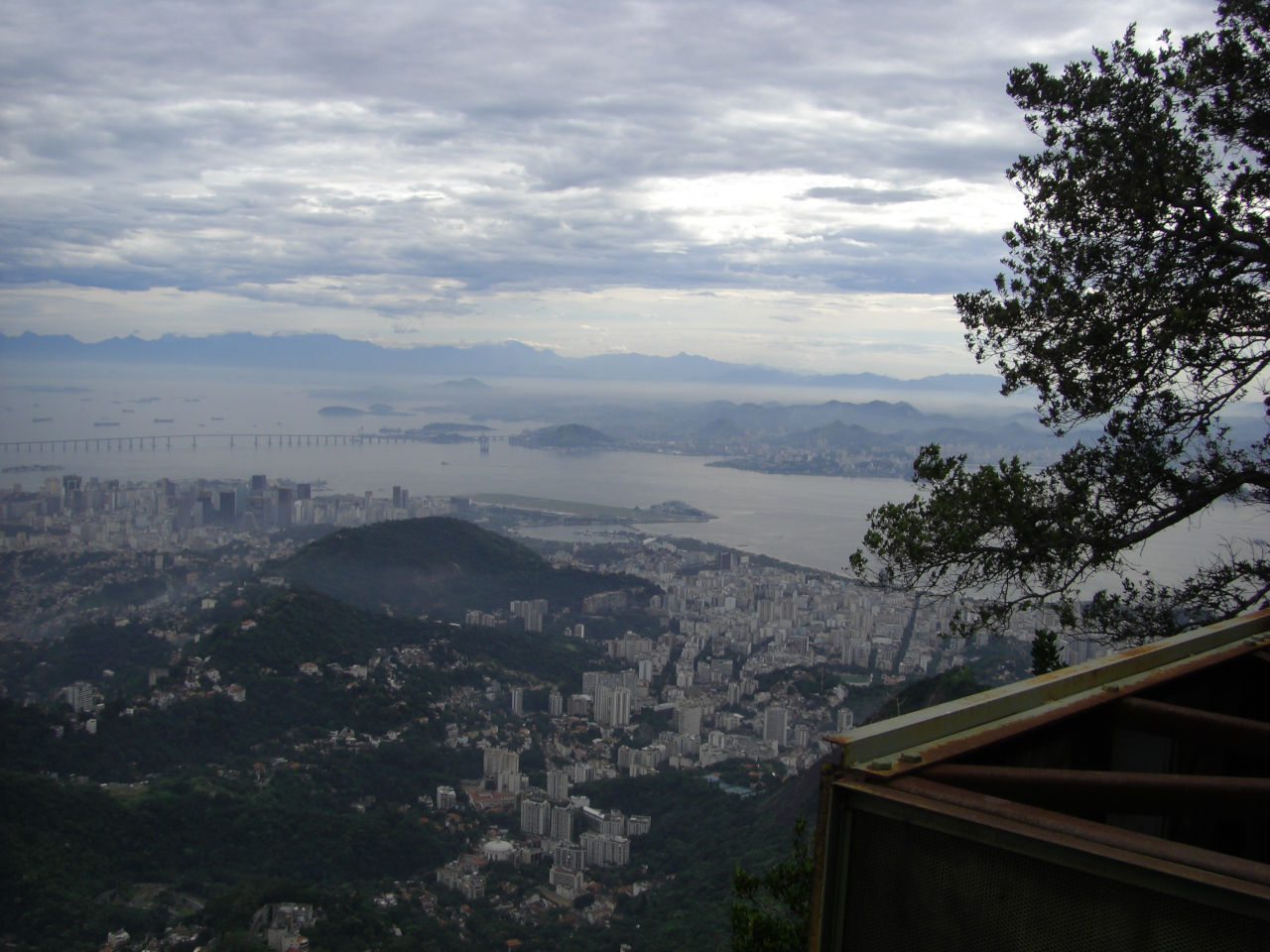
Walking along the viewpoint, Rio de Janeiro reveals itself in 360 degrees. On one side, Guanabara Bay and Sugarloaf Mountain. On the other, Rodrigo de Freitas Lagoon and the beaches of Copacabana and Ipanema. The movement of people trying to find the best angle for a photo mixes with moments of absolute silence from those who simply contemplate the immensity.
Visiting Christ the Redeemer goes far beyond traditional tourism. It’s an immersion in the energy of Rio, an encounter with one of the most beautiful landscapes on the planet, and a moment that will be etched in your memory forever. If you go to Rio, this is a destination you can’t miss.

The Great Wall - China
The Great Wall of China is one of the most impressive structures among the 7 wonders of the modern world. Stretching over 21,000 kilometers, this colossal structure winds through mountains, deserts, and valleys.
Its history dates back more than 2,000 years, beginning around 220 BC with the first Chinese emperor, Qin Shi Huang, to protect the territory from invasions.
The work was only completed centuries later, during the Ming Dynasty. Today, it is one of the seven wonders of the modern world and symbolizes the strength and ingenuity of the Chinese people.
The structure is not a single, continuous wall, but a series of interconnected walls made of stone, brick, and compacted earth.
For those visiting from Beijing, there are several sessions accessible by tours or direct transport.
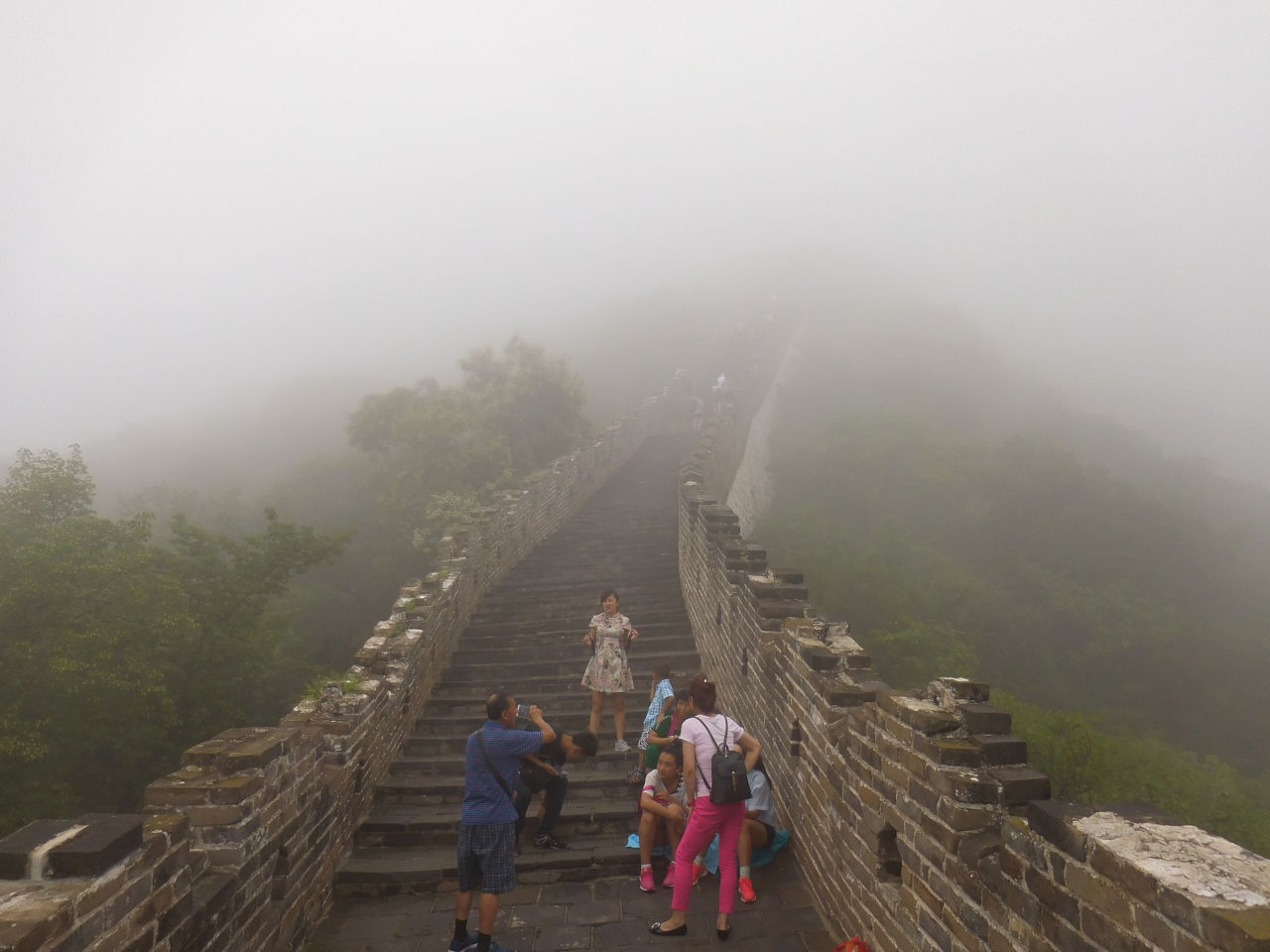
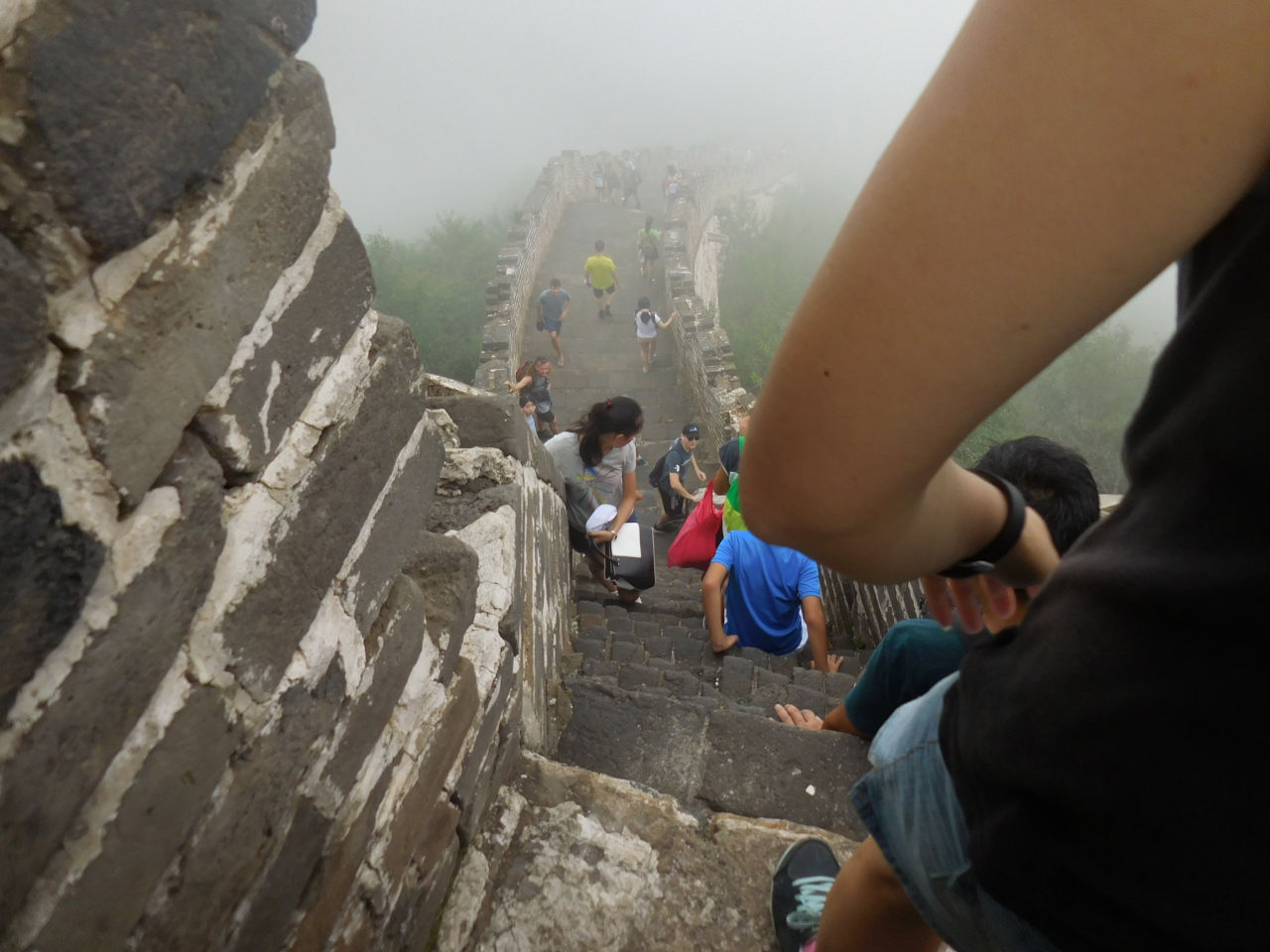
Each section requires a different level of physical preparation, as many of the steps are incredibly steep.
For visitors, the experience is unforgettable. Some sections, such as Badaling and Mutianyu, are the best preserved and most accessible. Furthermore, the panoramic views are breathtaking.
From Beijing, there are tours and direct transport options. However, some trails require physical preparation, as the steps can be steep.
The Experience in Mutianyu
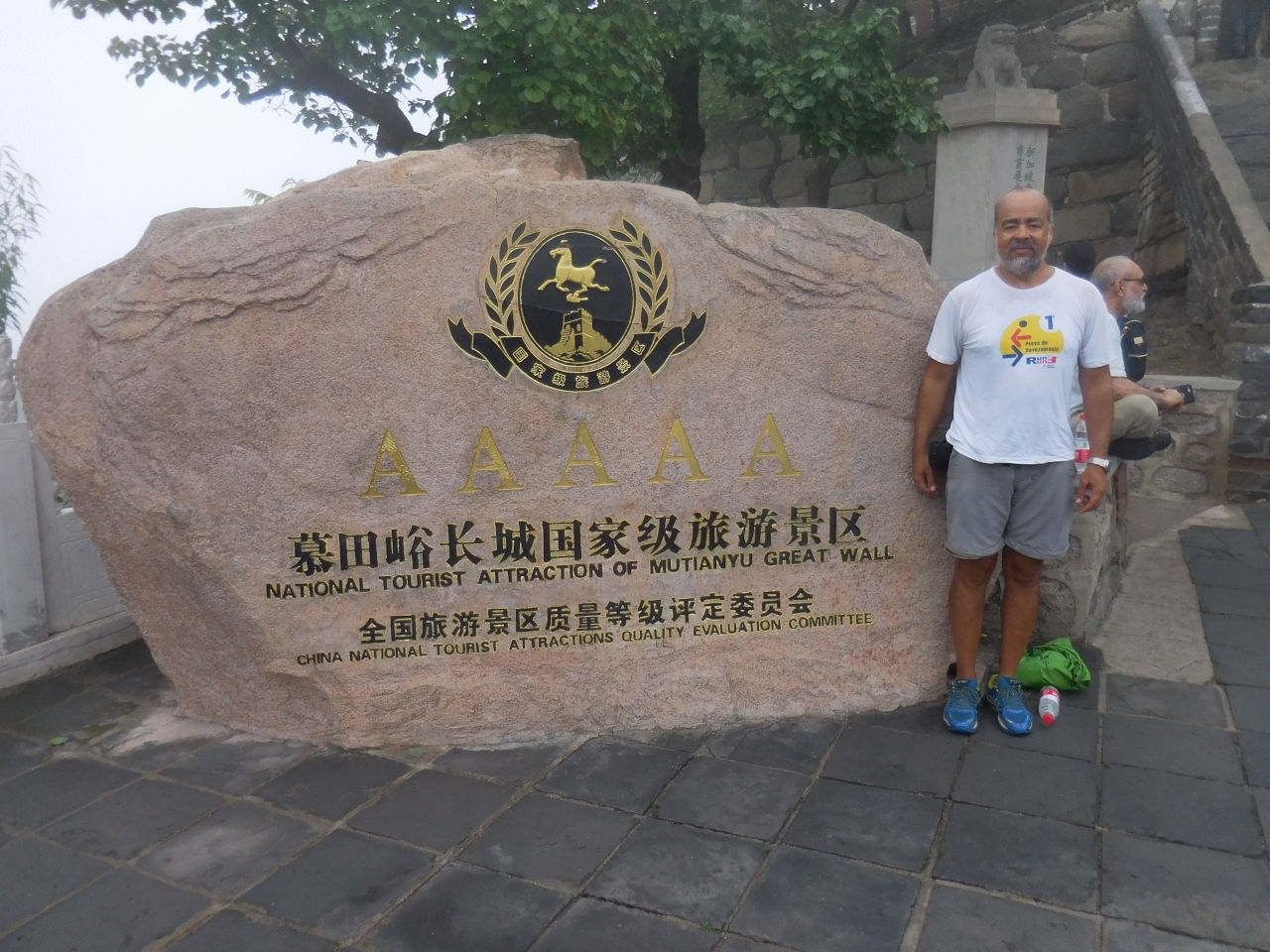
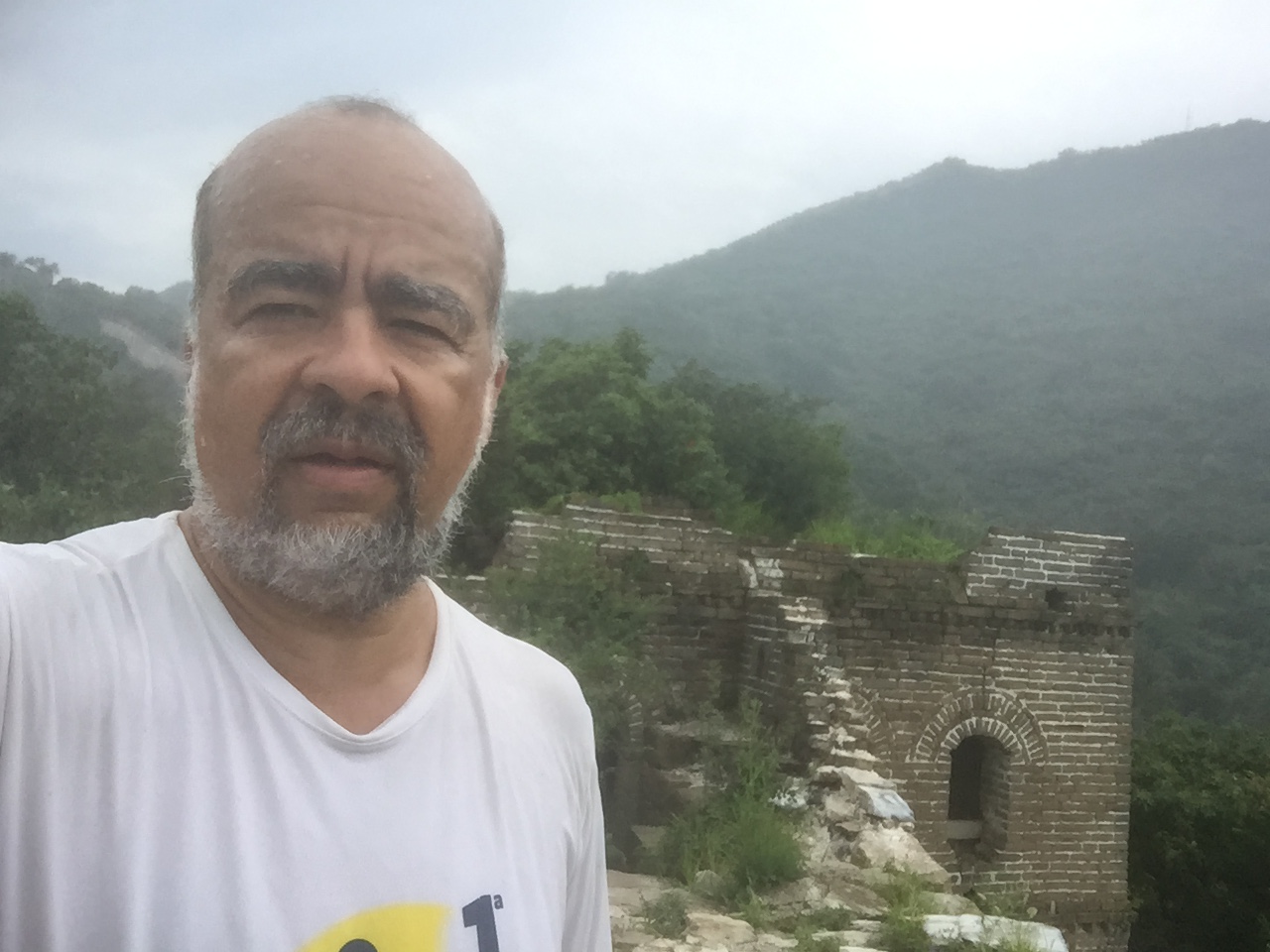
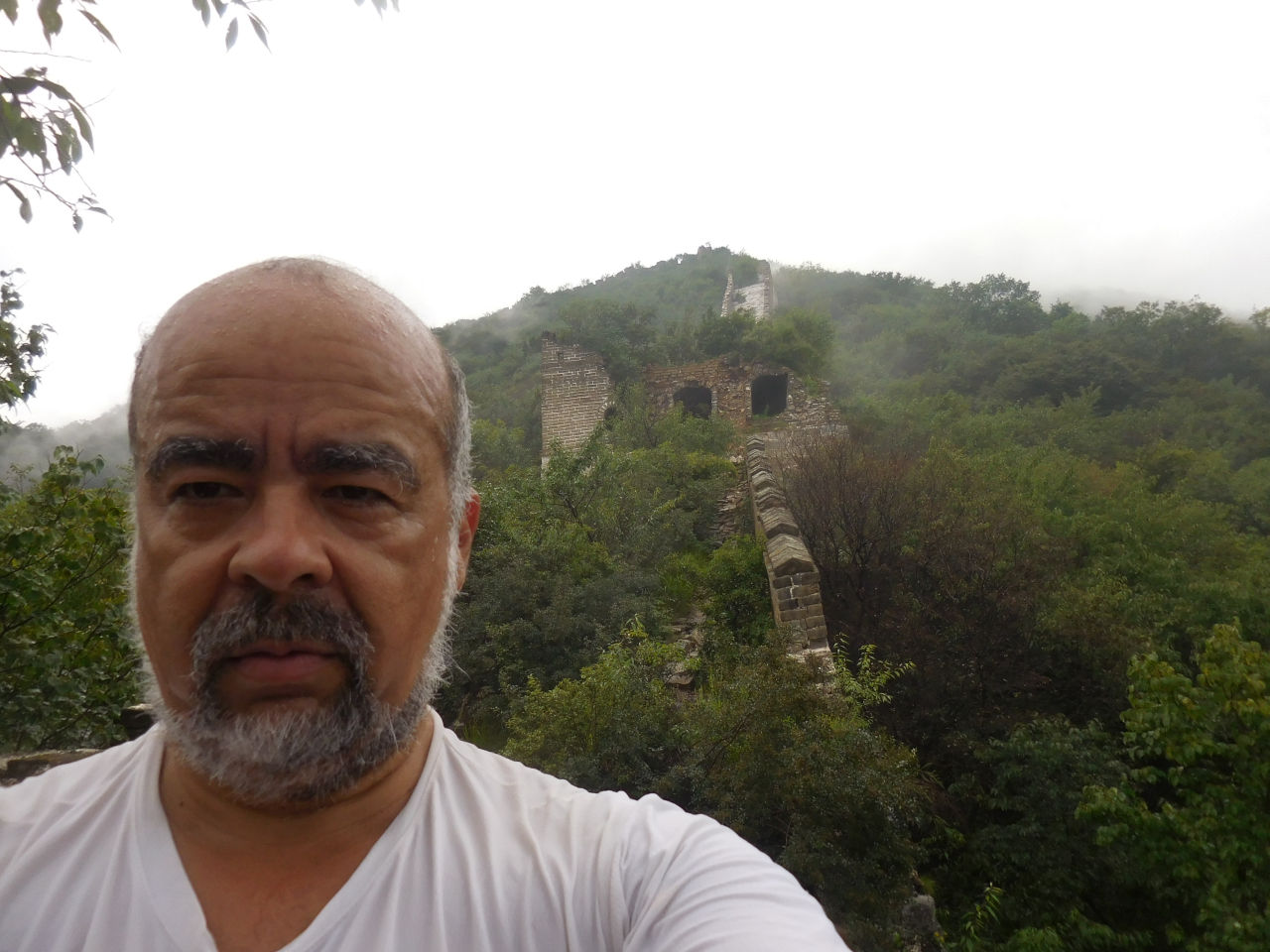
I had the pleasure of visiting this wonder in 2017, choosing the Mutianyu section.
I made this choice because it connects to the unrestored Jiankou section, which allows you to travel through time.
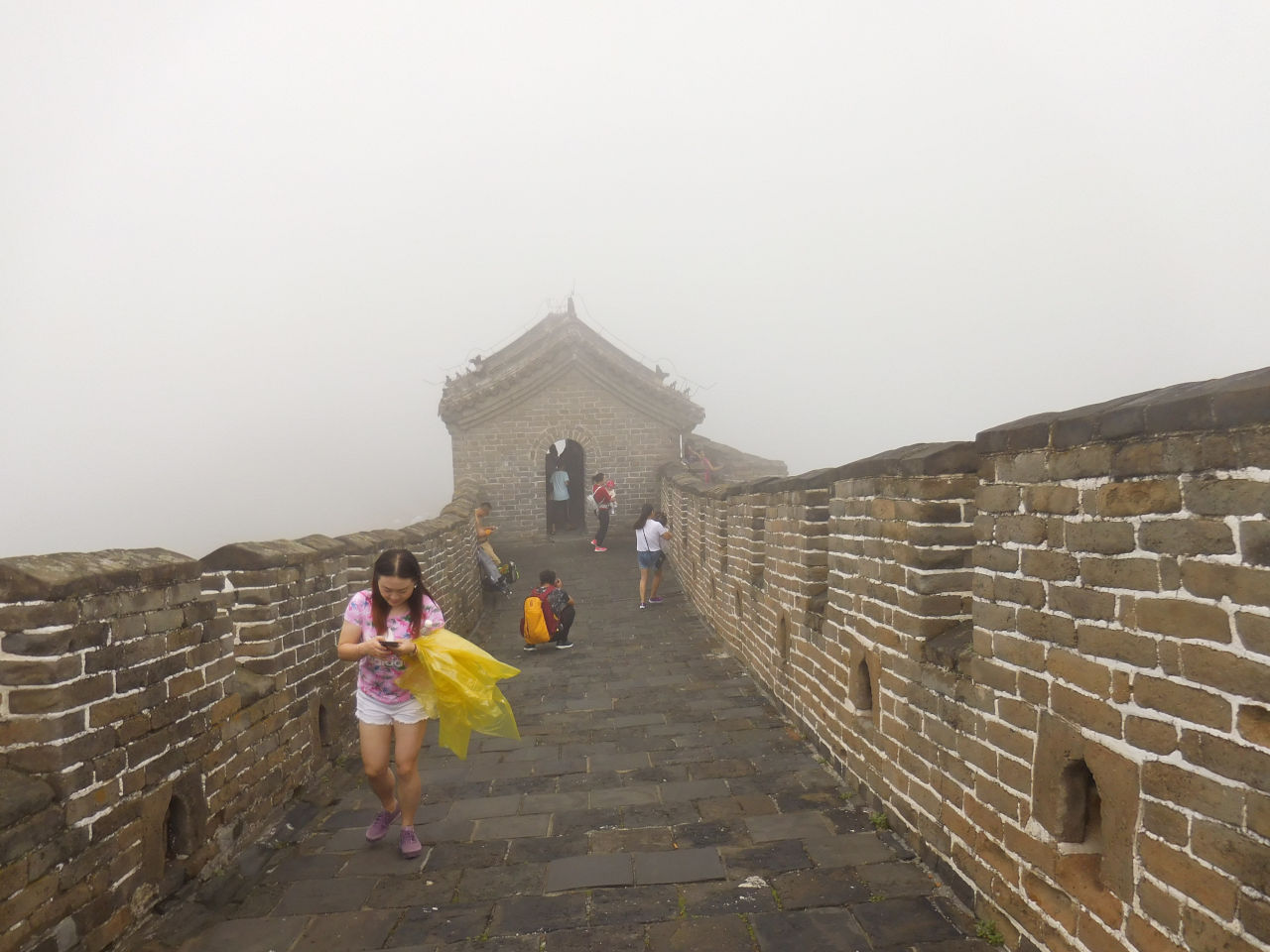
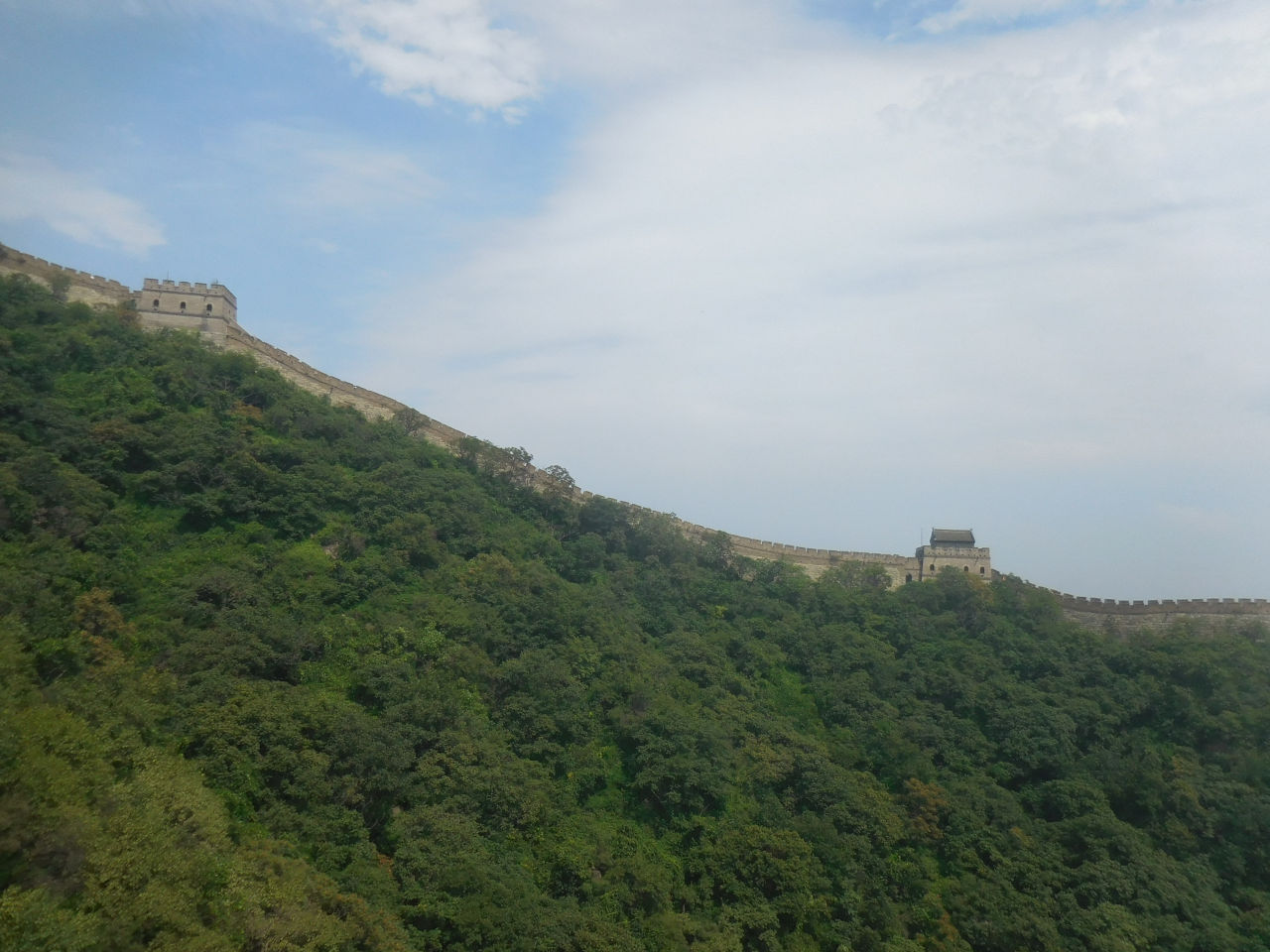
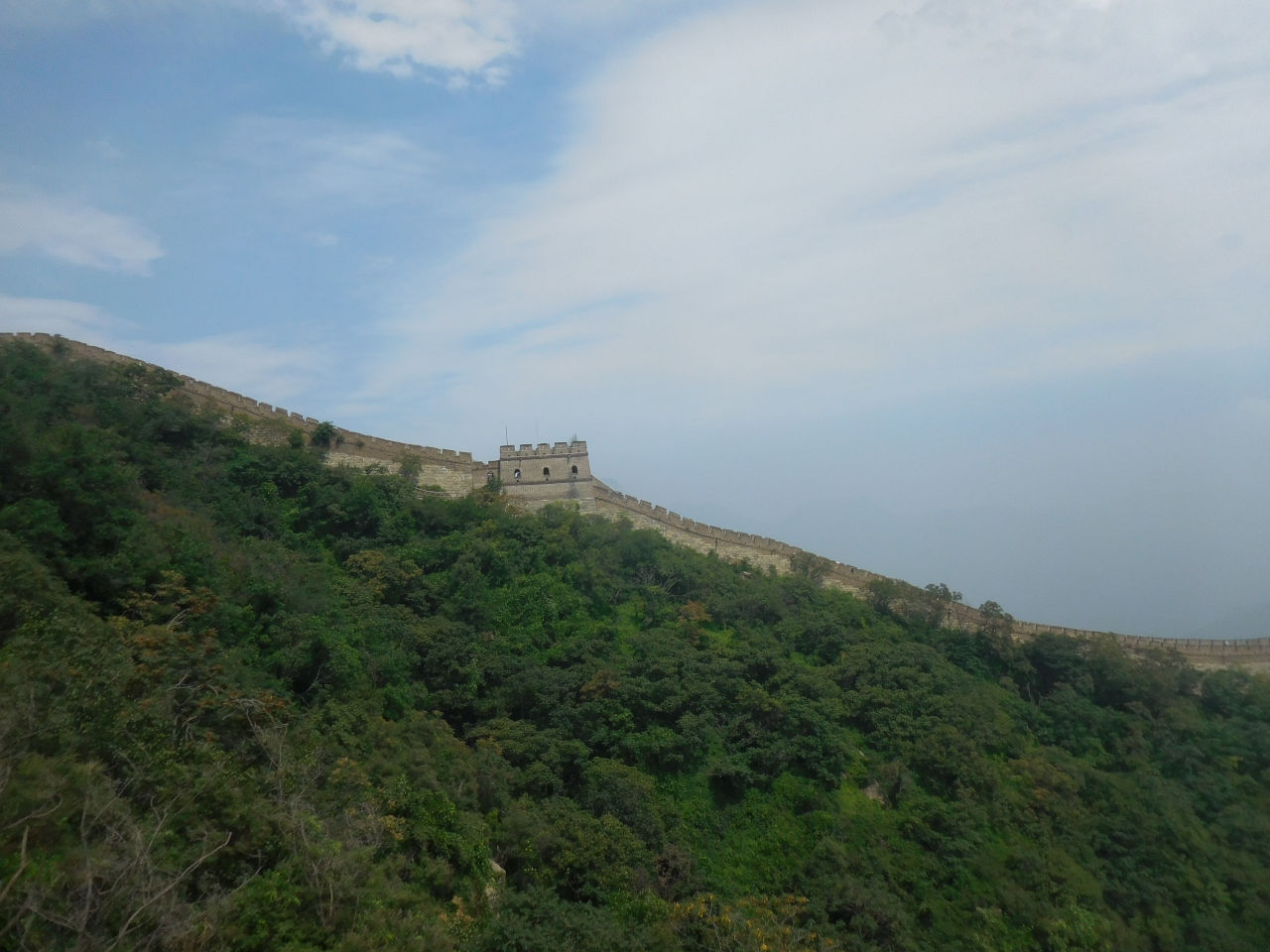
The Mutianyu section is famous for being one of the most restored and surrounded by dense vegetation that changes color depending on the season.
Arriving there and taking the first steps on the ancient stones brings a strong sense of connection to the past. The effort of the climb is worthwhile with every step.
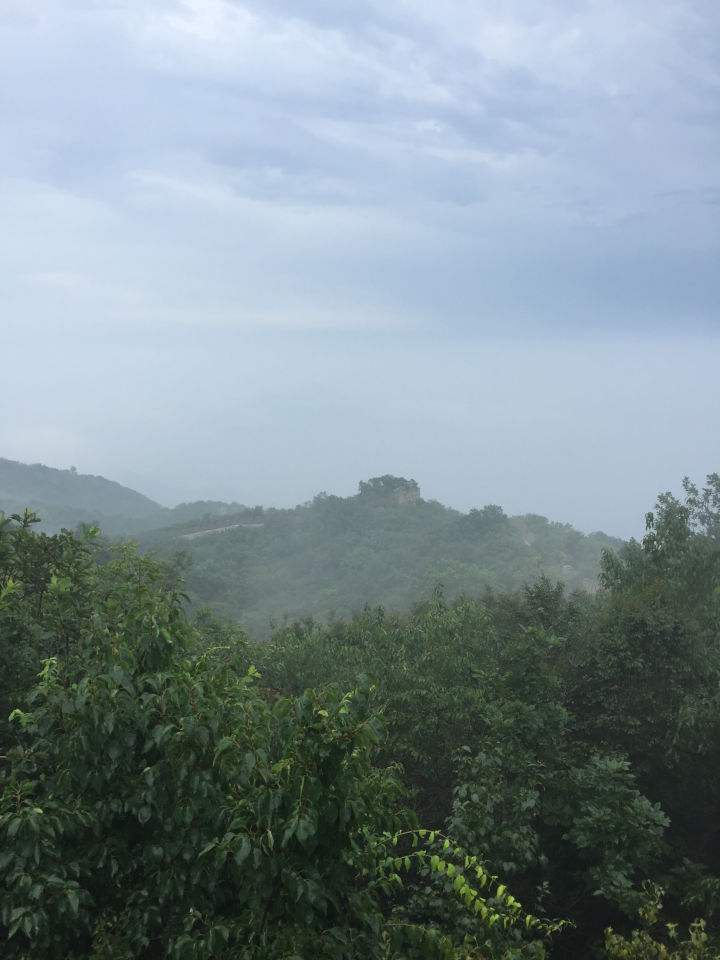
When we reached the top of one of the watchtowers, the view was breathtaking. The wall seemed endless, stretching as far as the eye could see, perfectly molded to the mountain landscape.
The silence of the place, broken only by the wind, makes you stop and admire the magnitude of that human achievement. The descent from Mutianyu still offers a dose of adrenaline: it’s possible to descend the mountain on a toboggan, ending the day with a perfect blend of history and adventure. Visiting the Great Wall is an unforgettable experience that marks the life of any traveler.
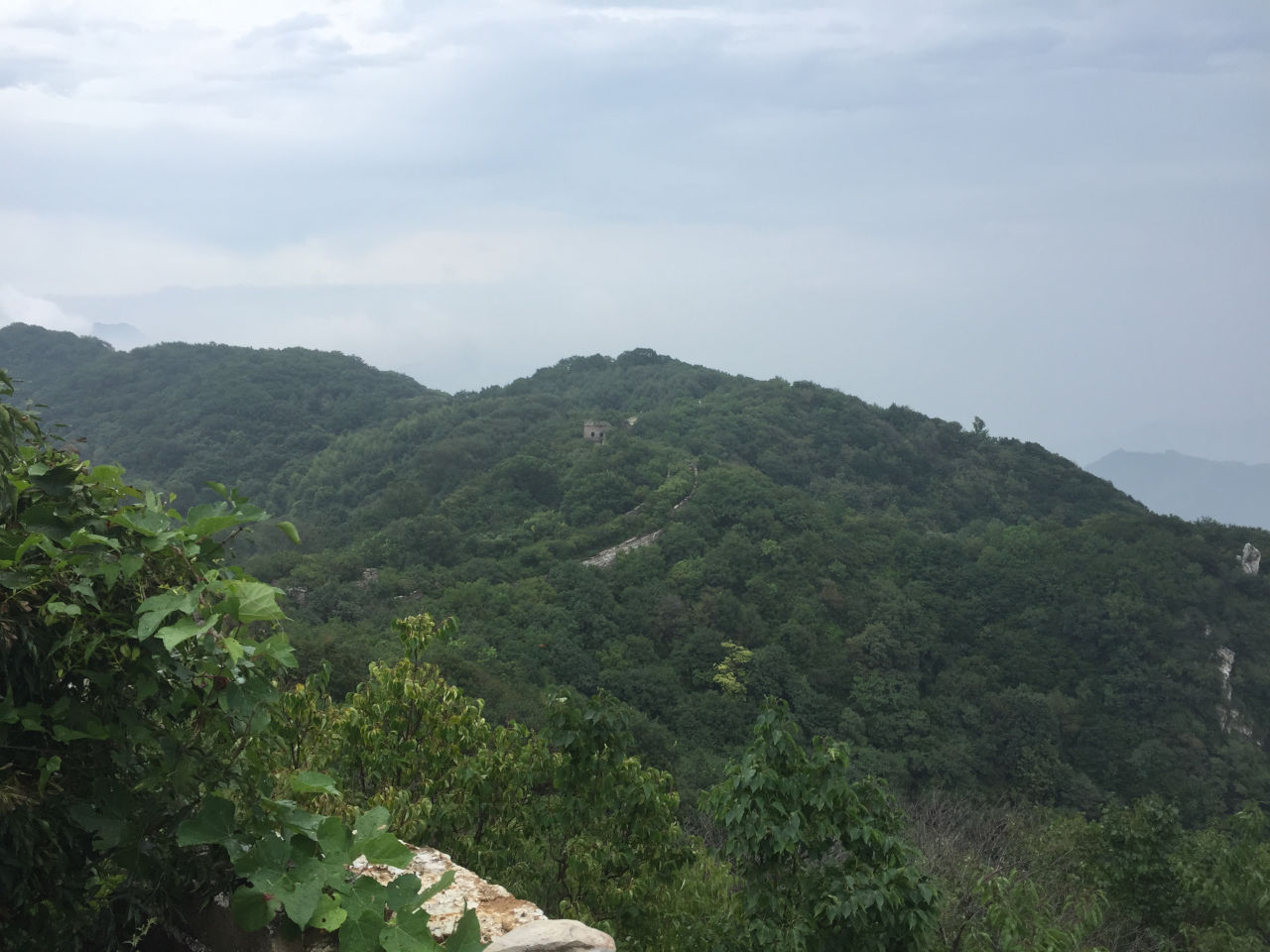
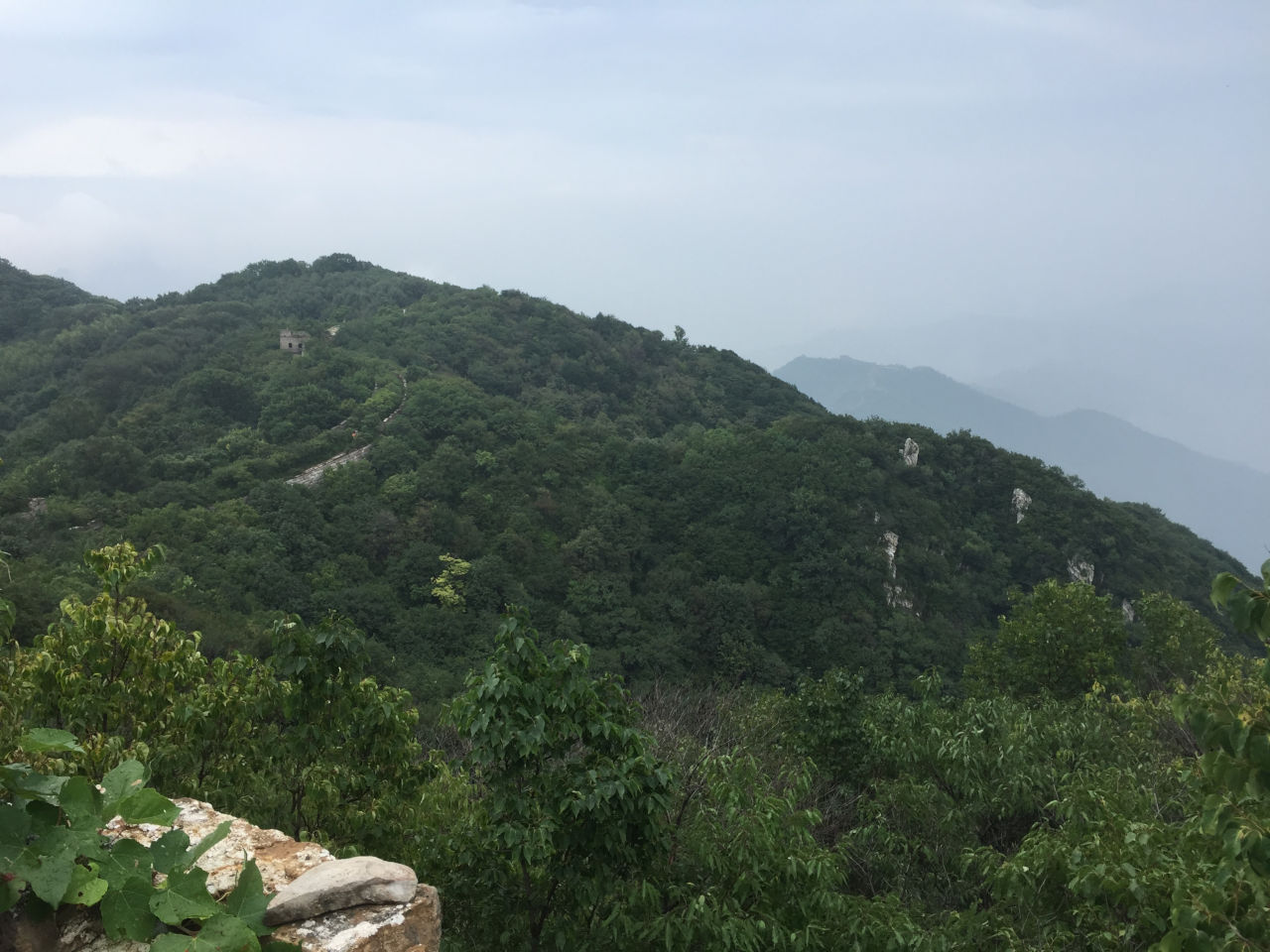
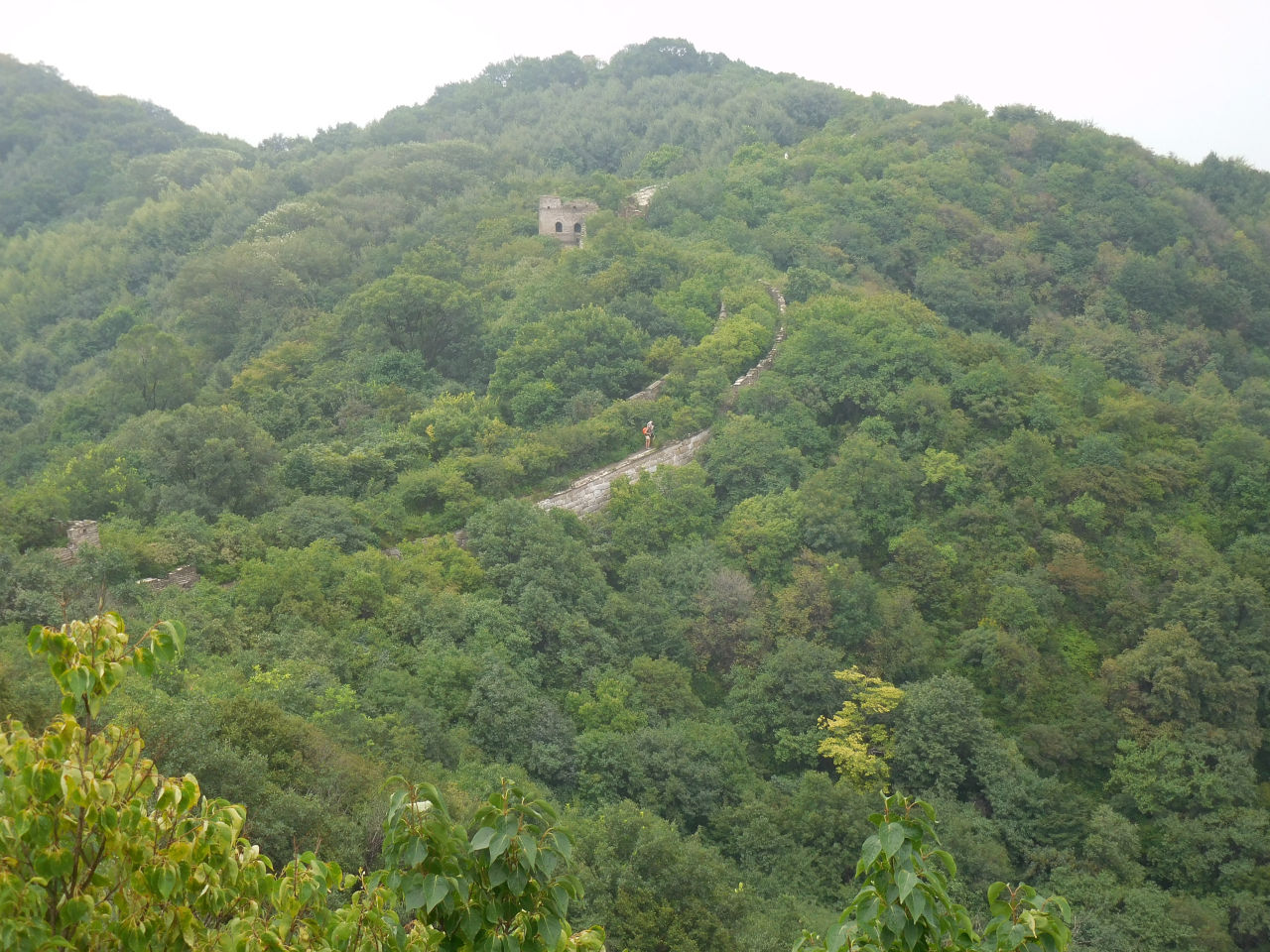
The renovated wall - Mutianyu section
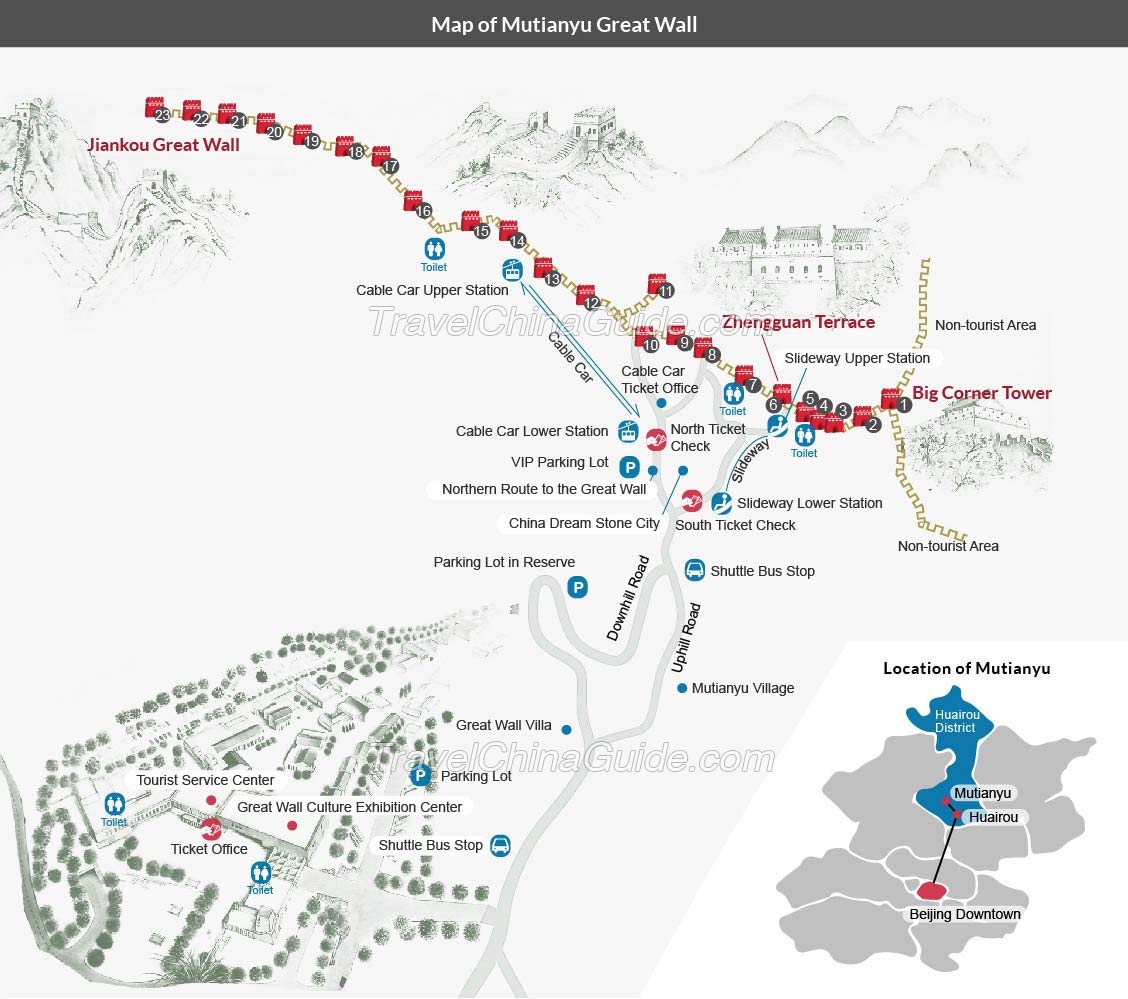
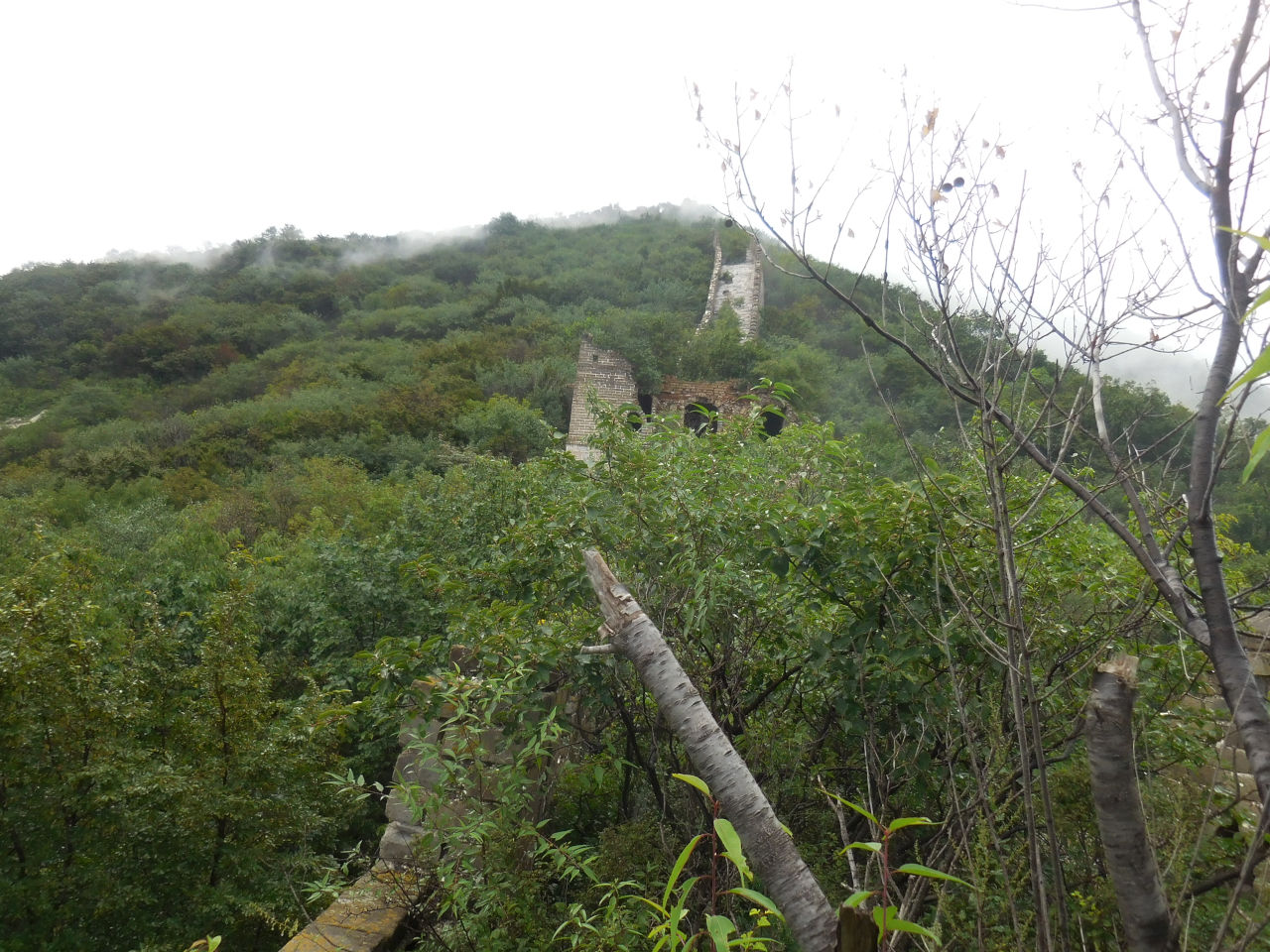
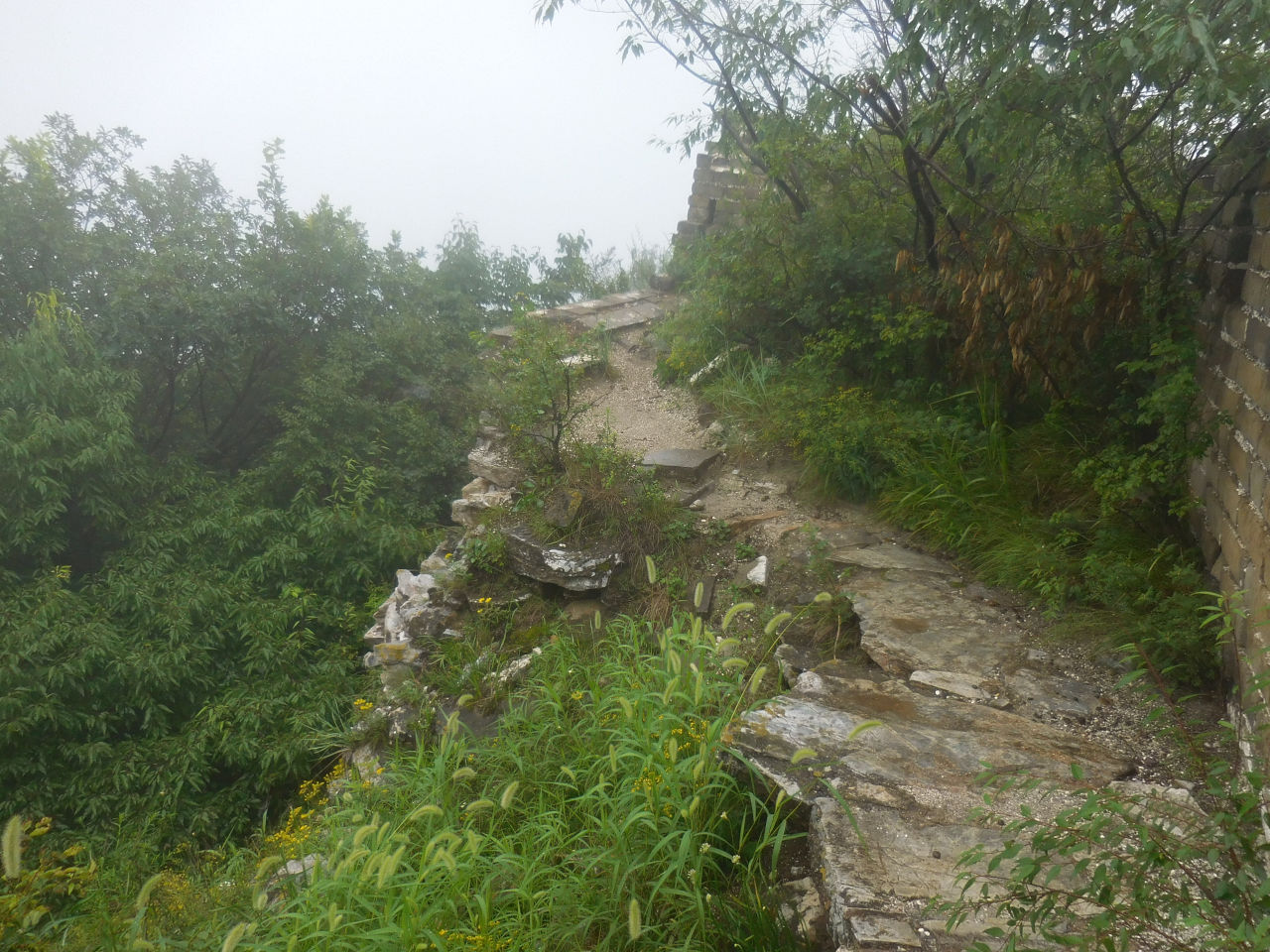
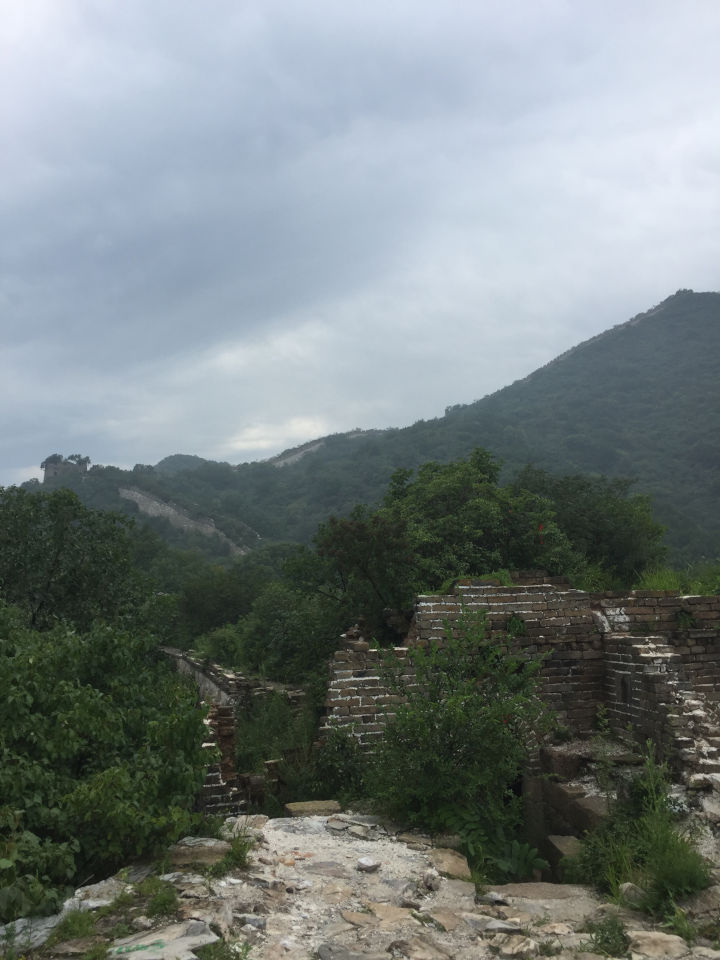
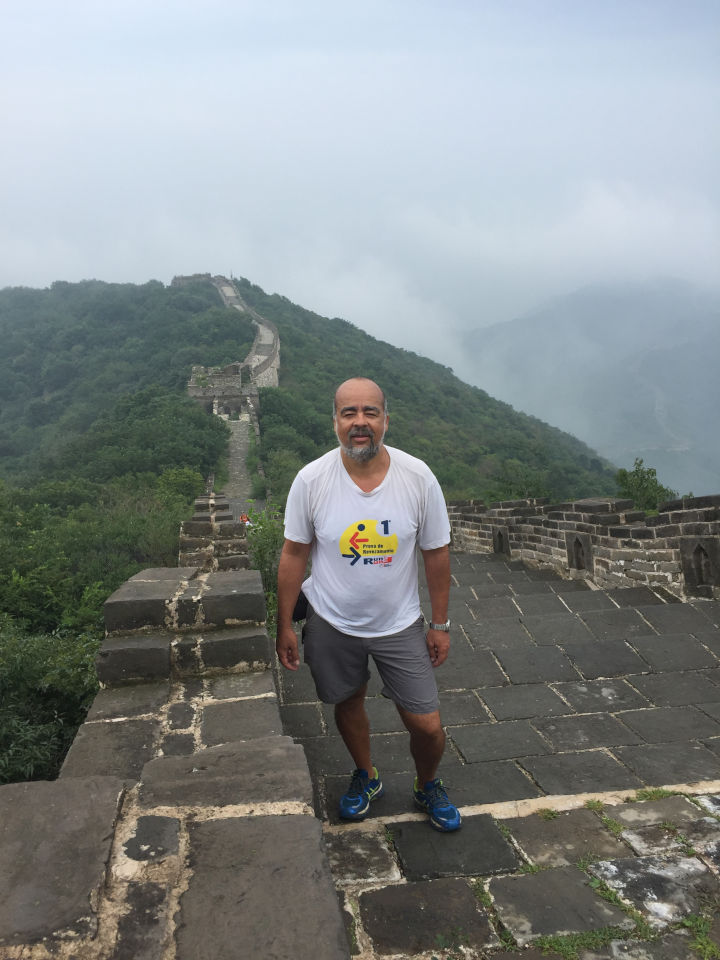
Original wall – Jiankou section
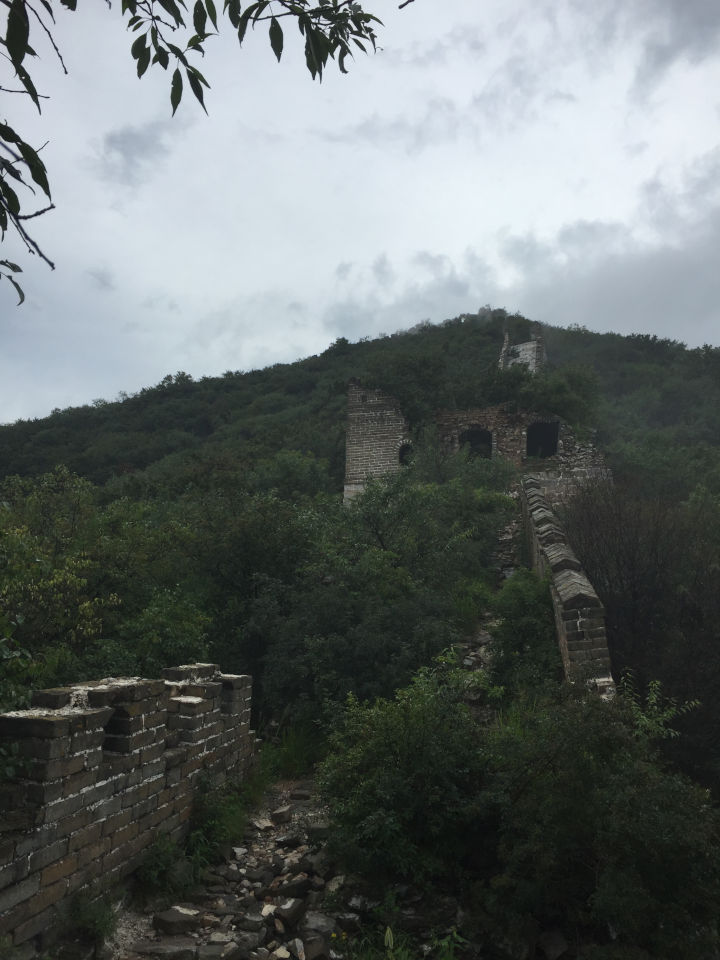
The Jiankou section of the Great Wall of China is one of the most challenging and impressive.
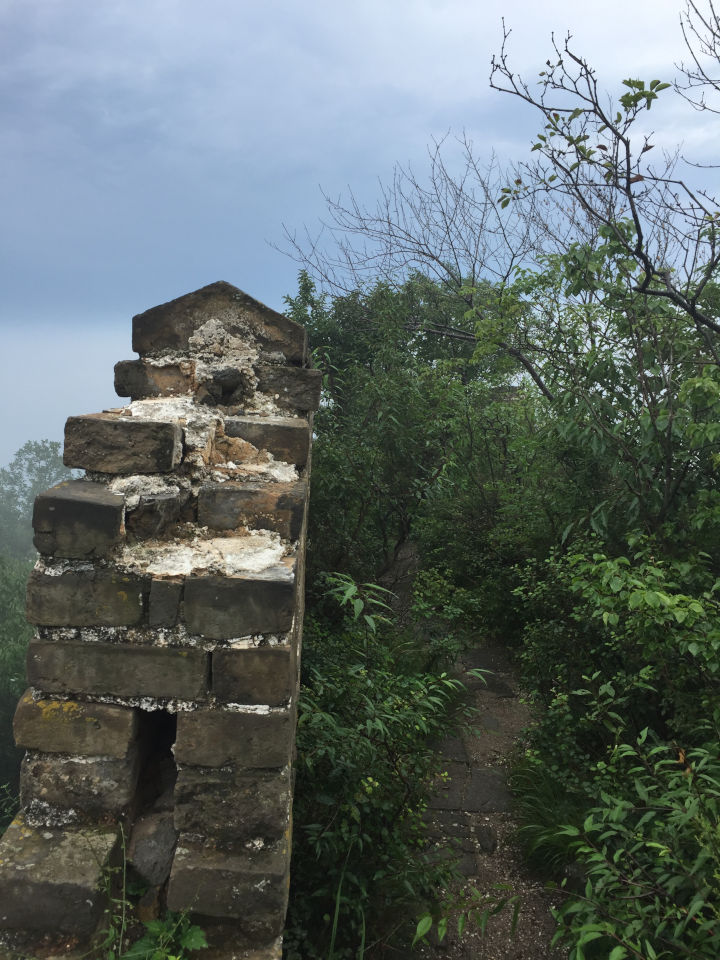
Unlike the restored sections, Jiankou retains its original structure, with worn stones and ruined stretches. This makes hiking dangerous, but also provides an authentic and unforgettable experience.
This section of the wall winds through steep mountains and offers some of the most spectacular views.
Furthermore, its sharp curves and high walls create a dramatic setting, perfect for photos.
On the other hand, access is not easy. The trails are steep, with slippery and crumbling sections.
Therefore, this section is recommended only for experienced adventurers.
I combined Jiankou with Mutianyu, descending via a restored and safer section.
For those seeking excitement and a more authentic connection with history, Jiankou is the right place.
However, it is essential to be well prepared, with appropriate footwear and plenty of water.
Ideally, you should do Jiankou towards Mutianyu, which is downhill.
It’s a difficult hike, with dangerous places and the need to “climb” some ravines and descend/ascend very steep places, but it’s well worth it to be where, more than a thousand years ago, soldiers guarded the borders.

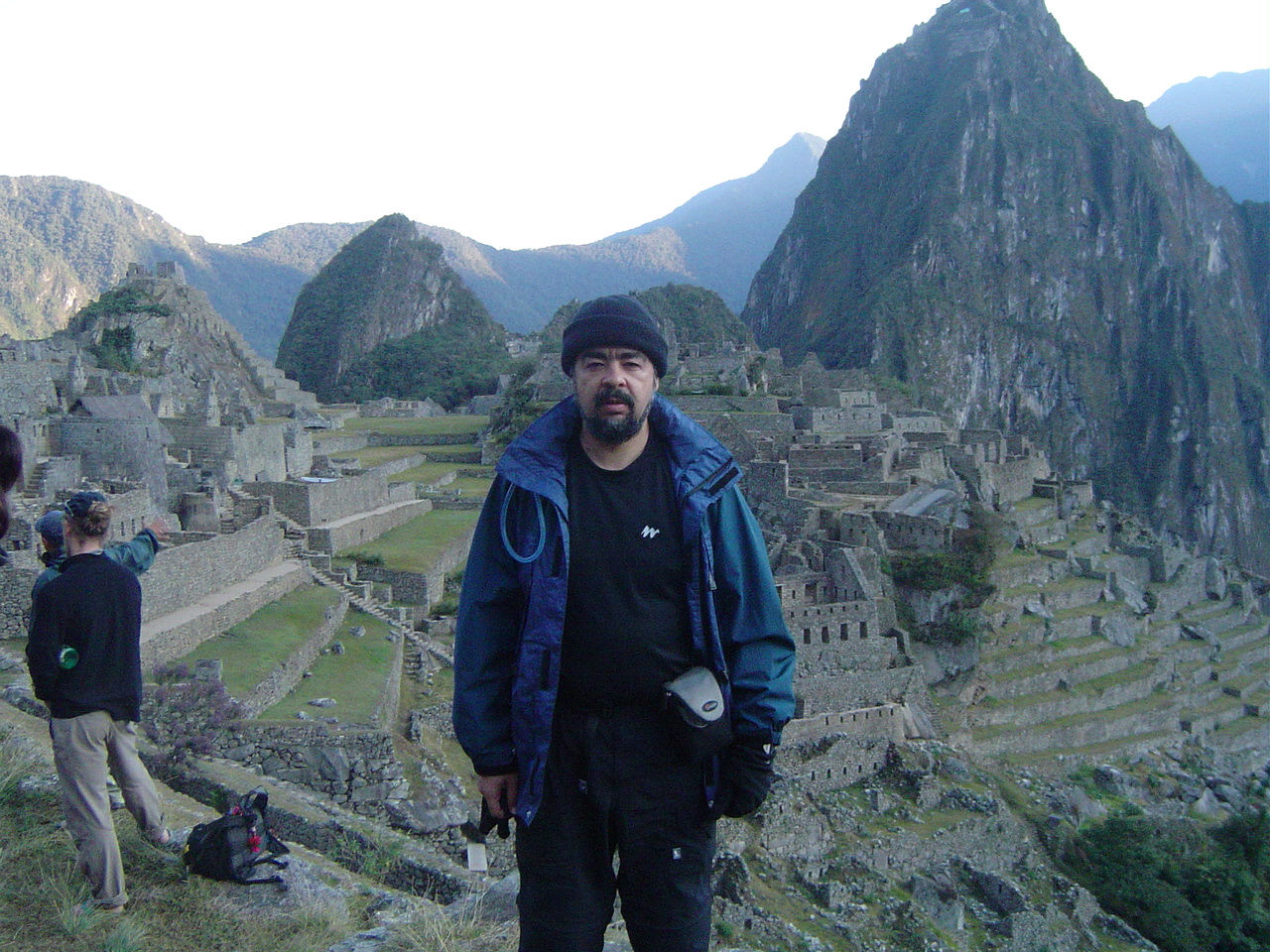
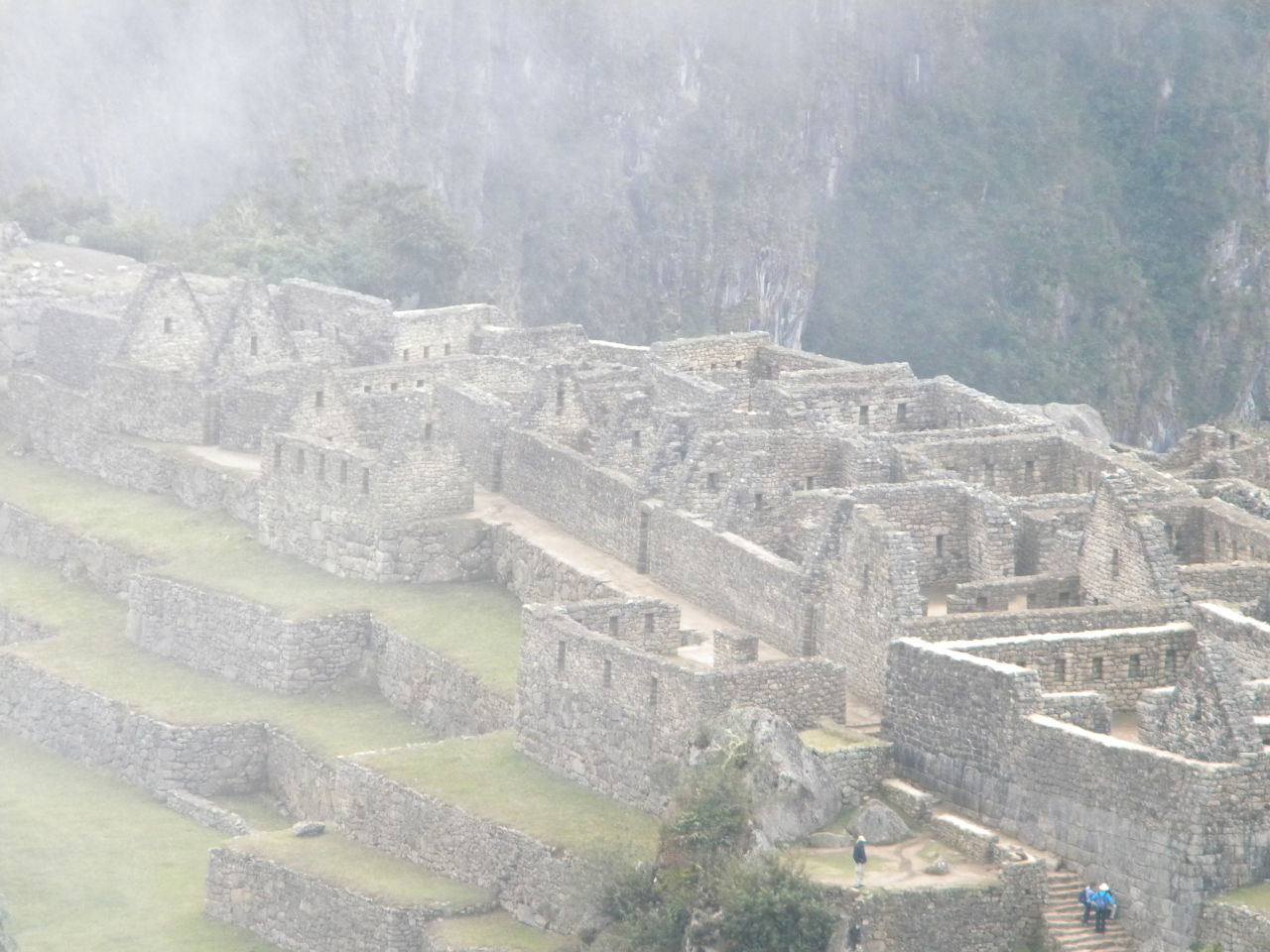
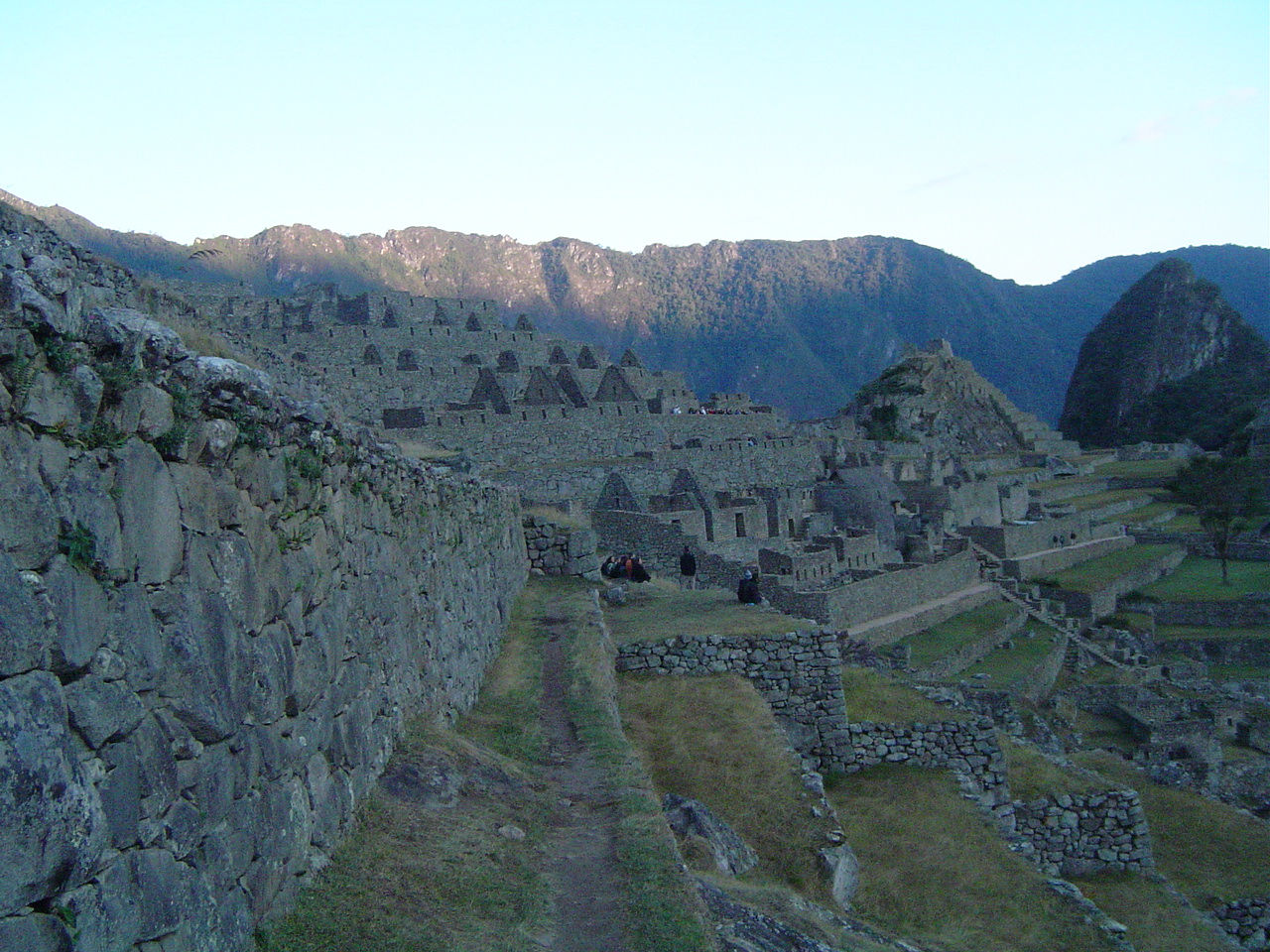
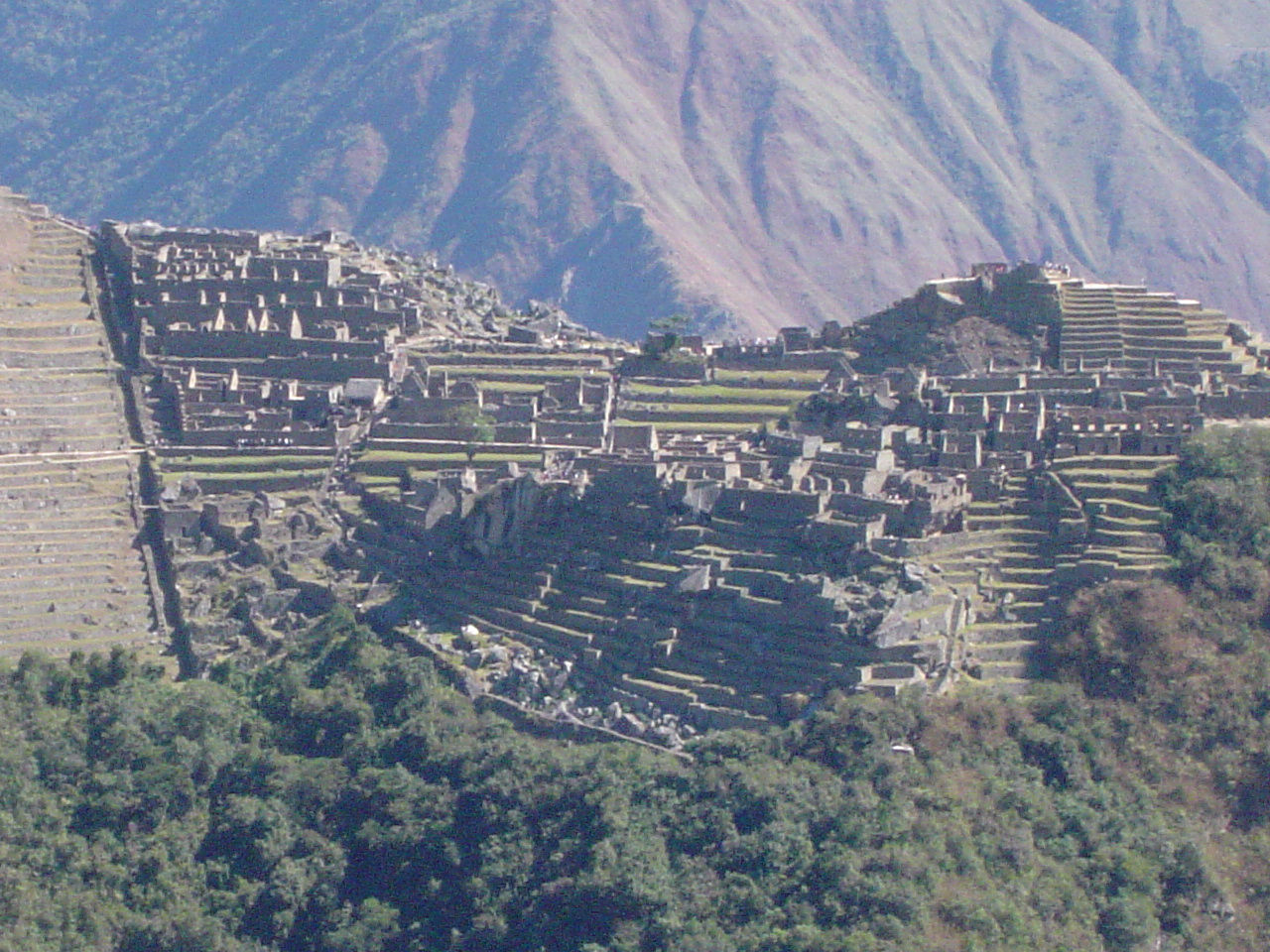
Machu Picchu - Peru.
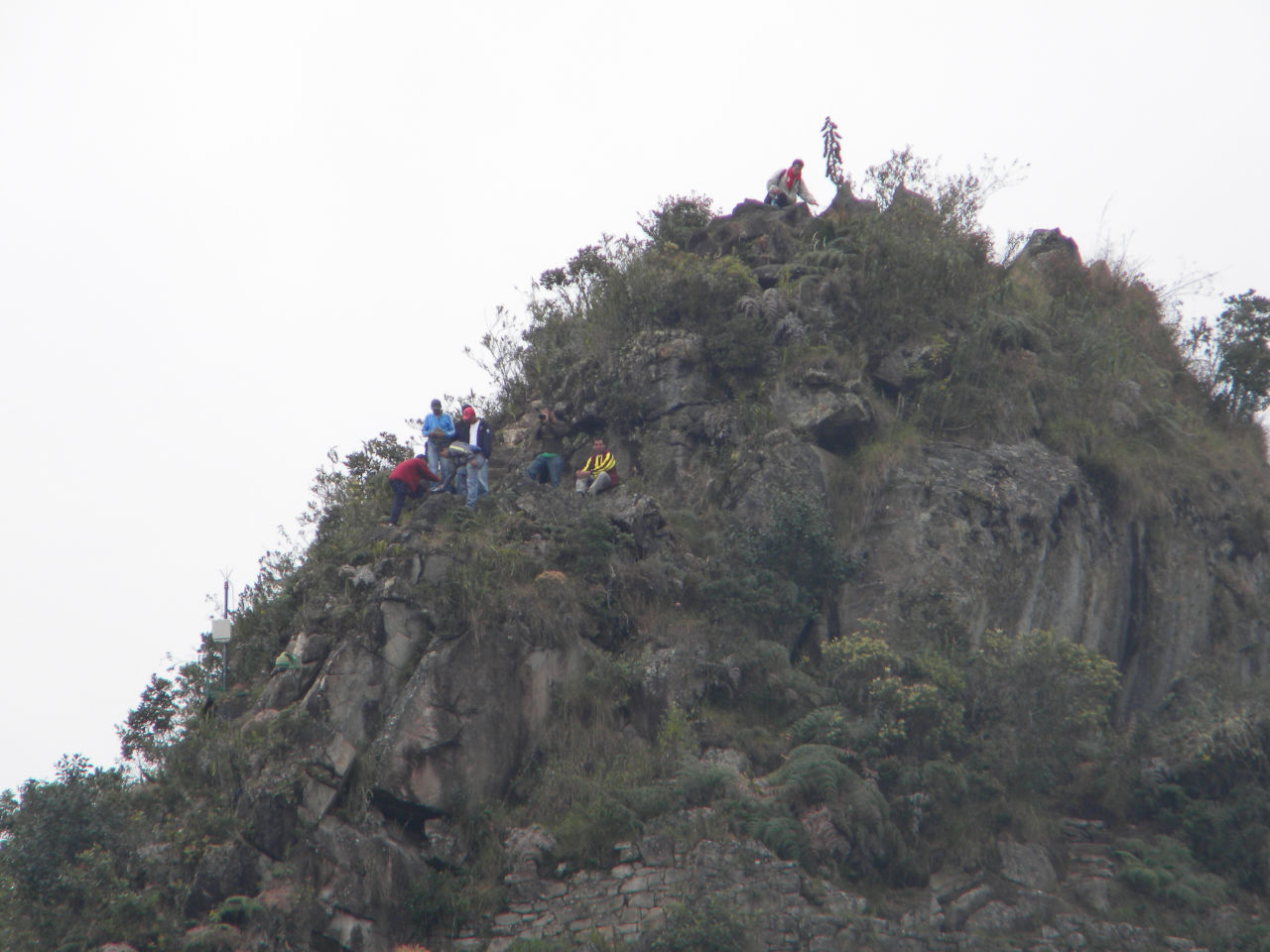
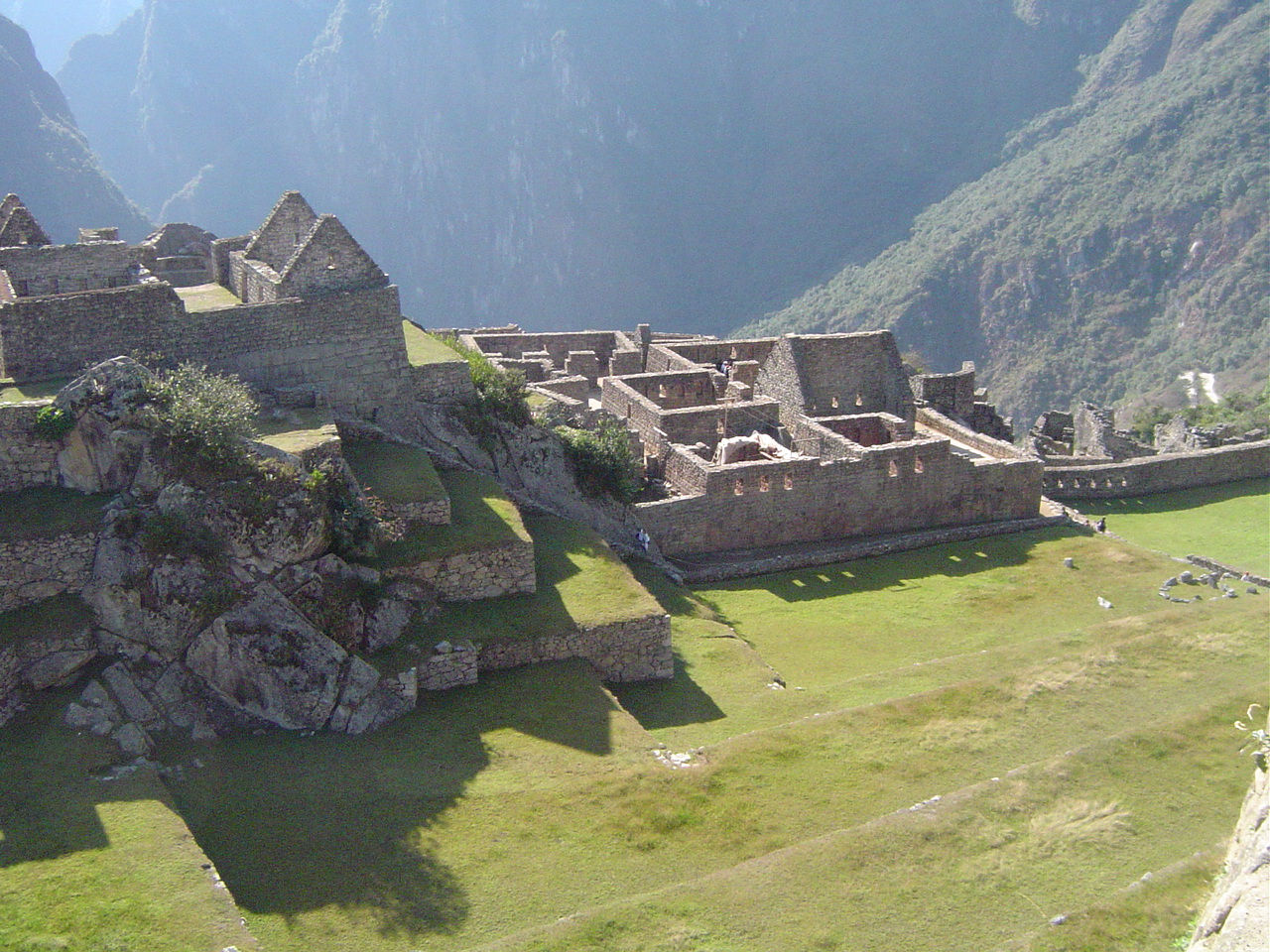
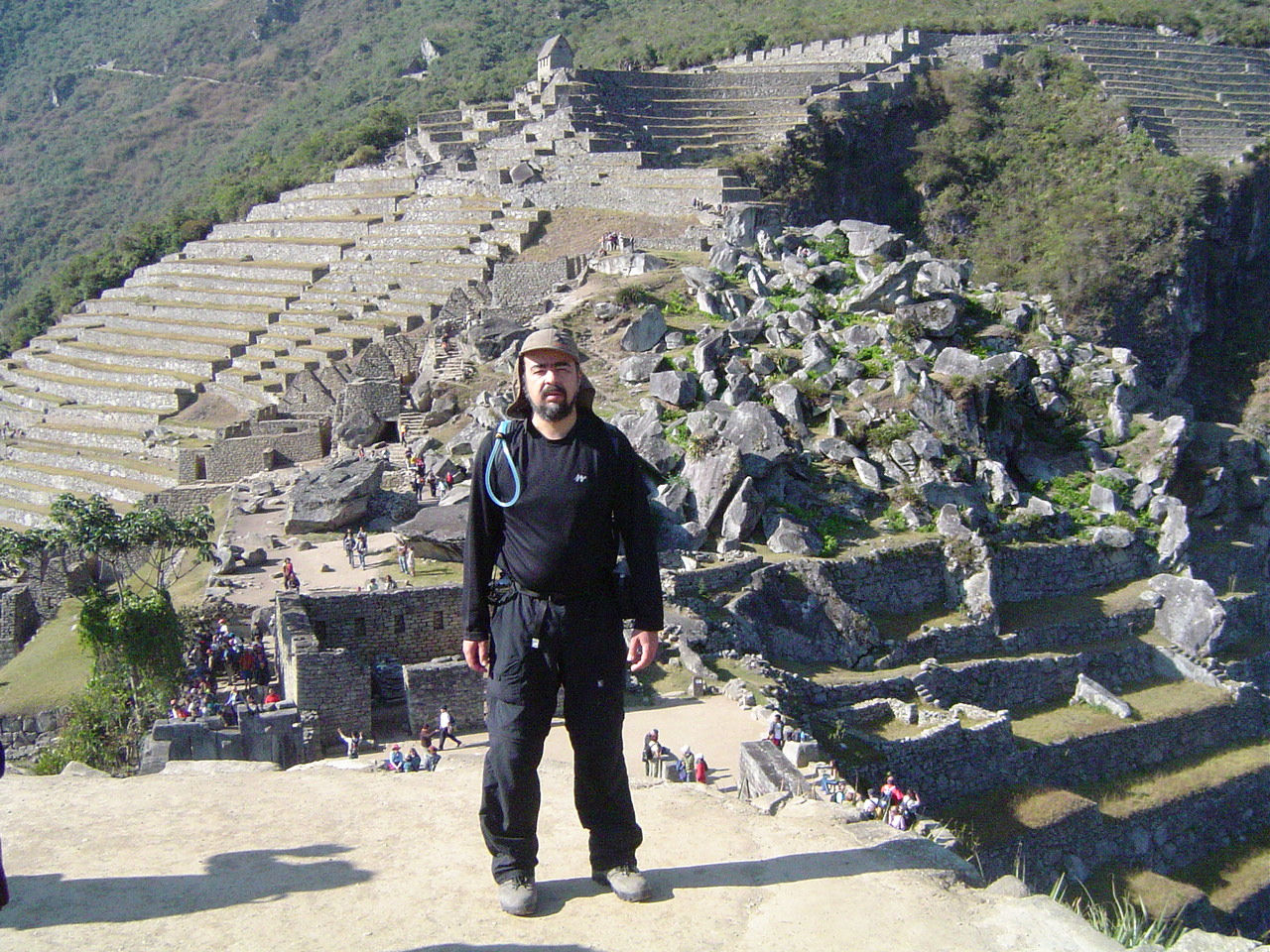
Machu Picchu is one of the seven wonders of the modern world. It is carved into the top of the Peruvian Andes. Located at an altitude of 2,430 meters in the province of Urubamba, about 80 km from Cusco, the ancient Inca city impresses with its architecture perfectly integrated into the mountains.
Built in the 15th century and mysteriously abandoned at the time of the Spanish conquest, the site remained hidden from the world until it was rediscovered in 1911. Today, in addition to being one of the seven wonders of the modern world, it is the closest monument of this group to Brazil.
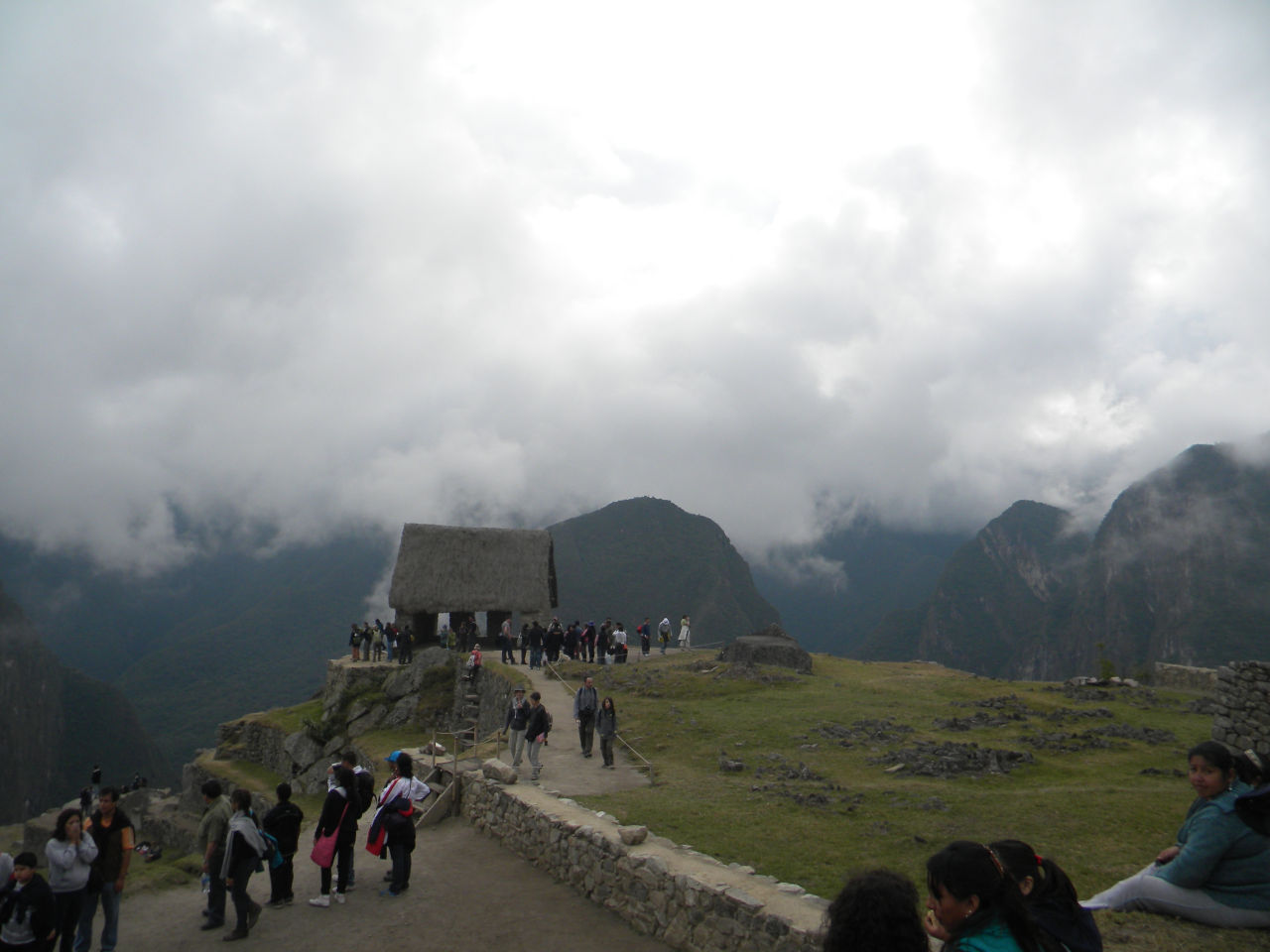
The archaeological site features temples, agricultural terraces, and plazas of incredible engineering. To protect this heritage, the number of daily visitors is limited, requiring advance planning and booking.
The most traditional way to get there is by combining the train from Cusco to Aguas Calientes with a bus that goes up to the entrance of the ruins. However, there are much more arduous routes to reach this sanctuary.
The Journey Along the Inca Trail
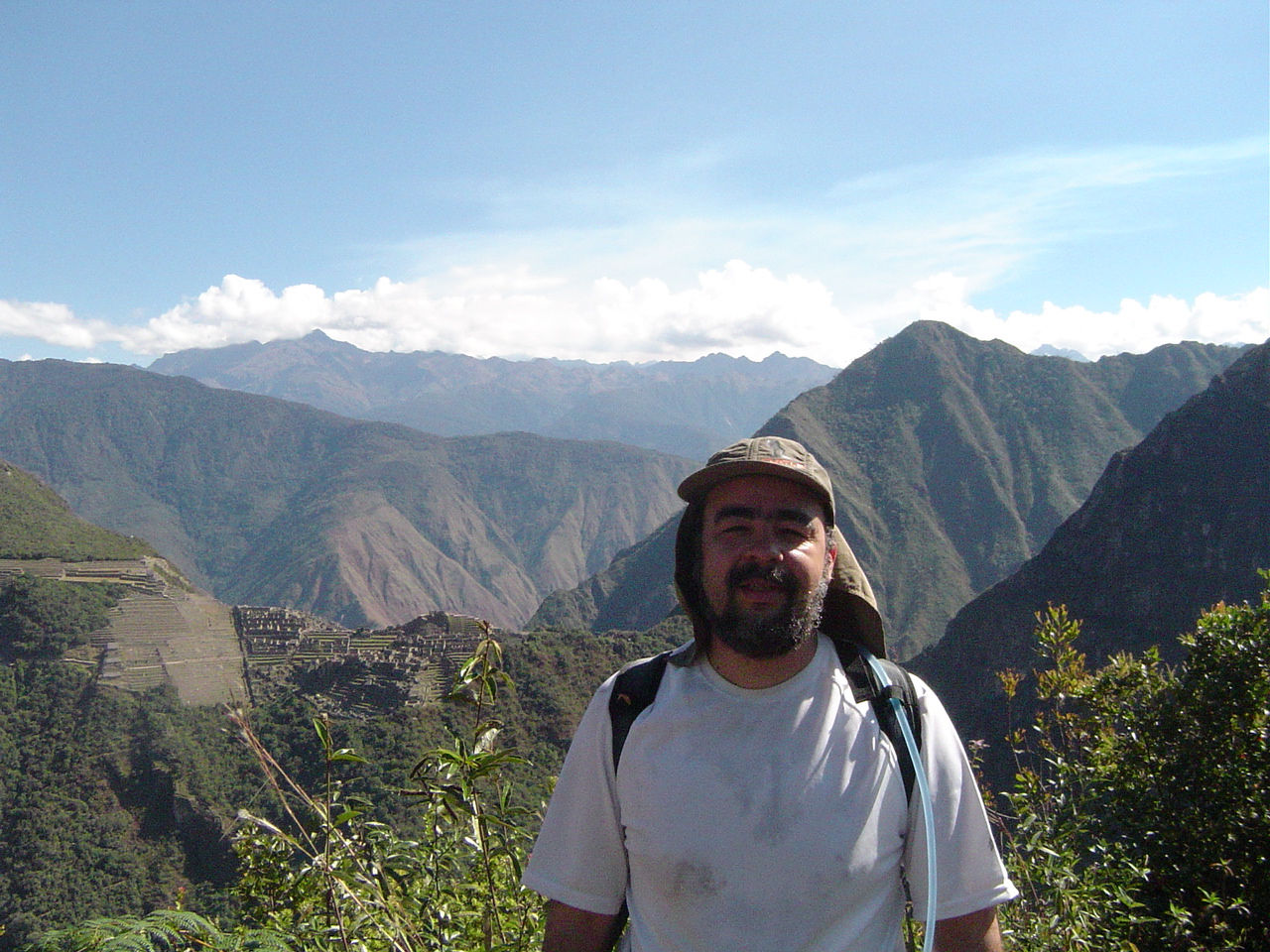
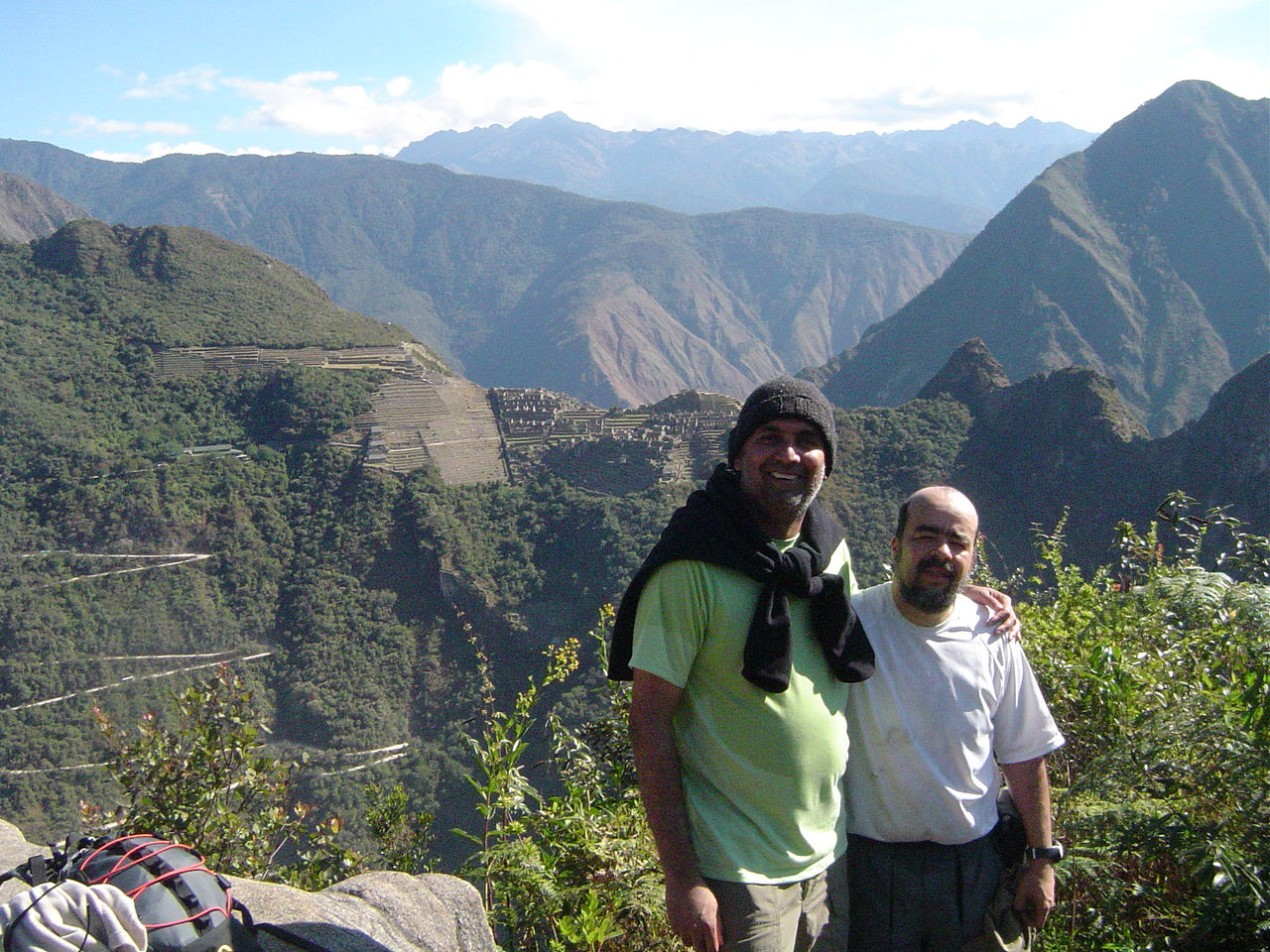
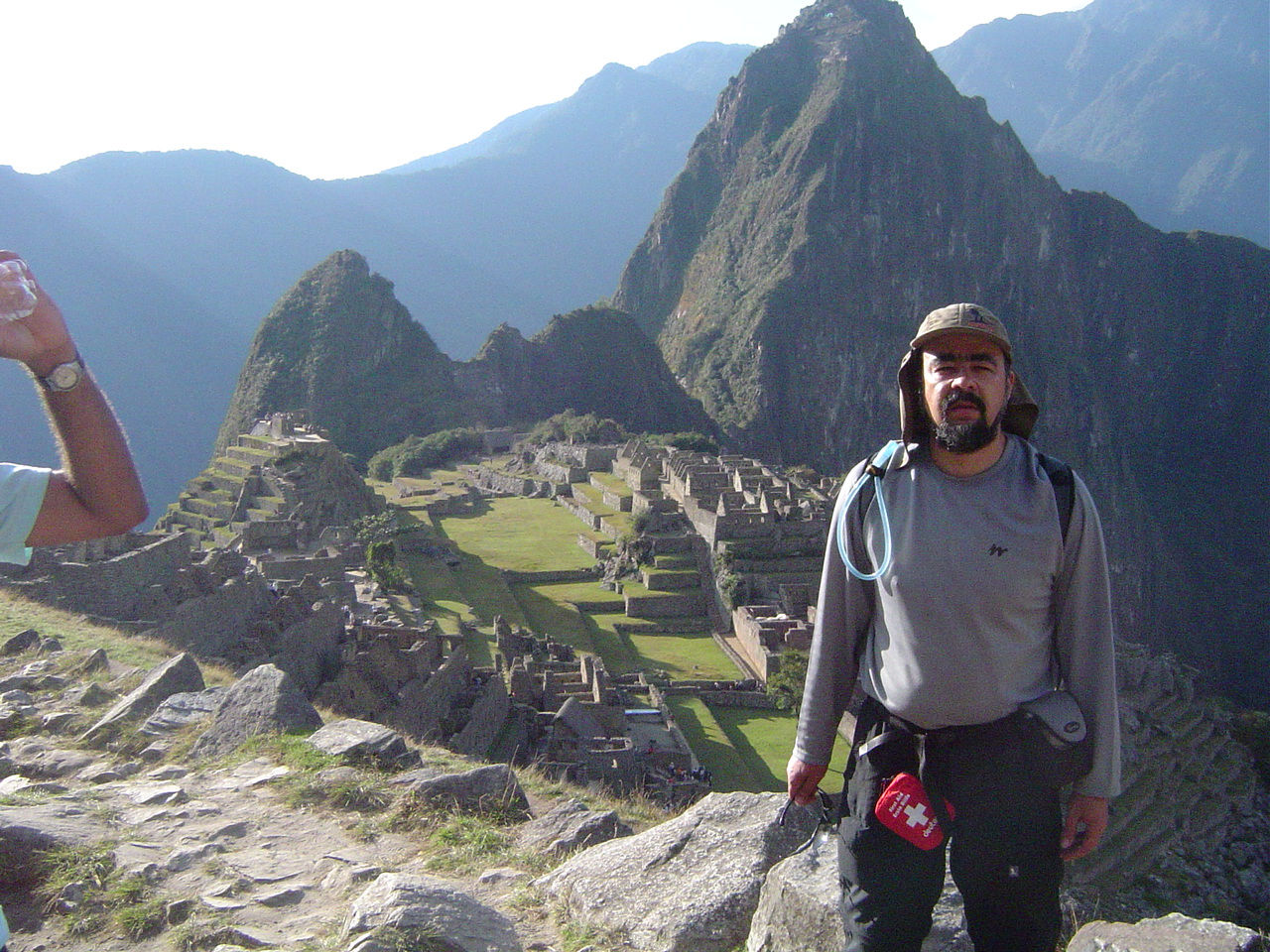
To fully experience the energy of this place, I chose to reach Machu Picchu via the famous Inca Trail. This hike is a true test of endurance, but the reward erases any fatigue.
Walking this route means following in the footsteps of the Incas centuries ago. The journey challenges the body with its altitude and steep climbs, crossing valleys, rainforests, and smaller archaeological sites that few tourists have the chance to see.
Sleeping in camps under the starry Andean sky and waking up early to continue the march brings a profound feeling of connection with nature and with the past.
The highlight of the journey happens on the last day, upon arrival at…Intipunku(The Sun Gate). Seeing the sun illuminate the ruins of Machu Picchu is an indescribable feeling. All the effort of the days of hiking transforms into pure gratitude.
Walking among those stones, admiring the surrounding green gorges, and feeling the unique atmosphere of the place goes far beyond ordinary tourism.
It’s a deep dive into history, Andean culture, and the very capacity for overcoming challenges. For those who love history and adventure, this is an unmissable experience that will leave a lasting impression.
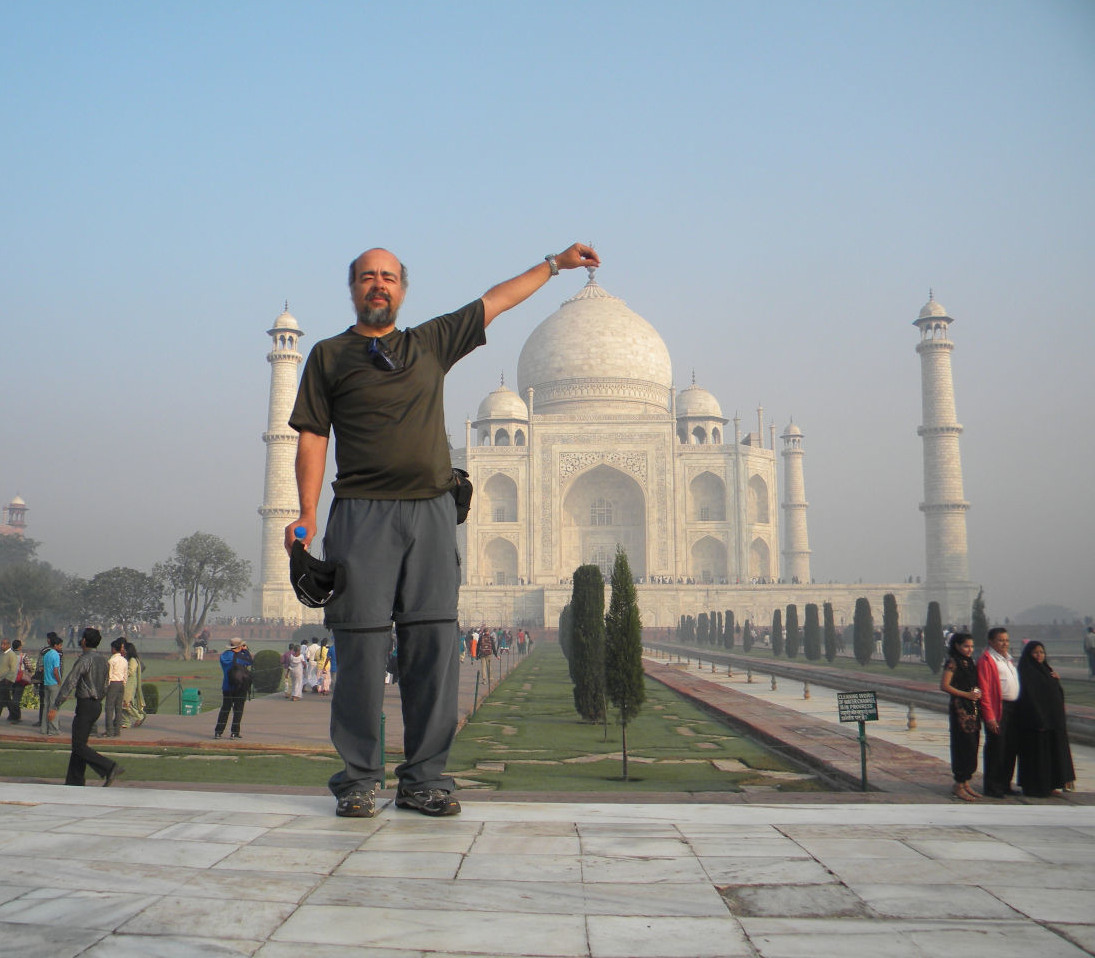
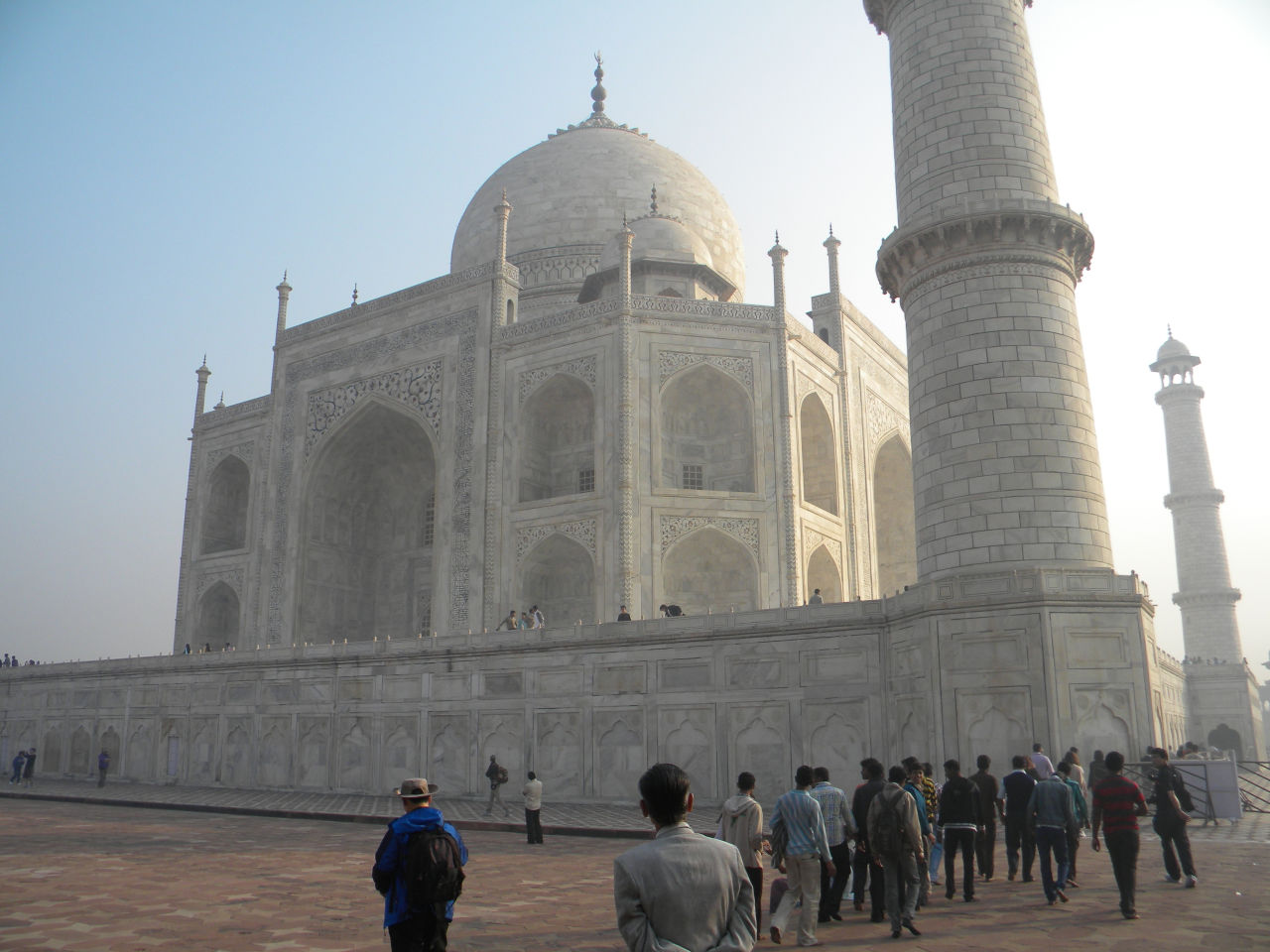
Taj Mahal - Agra – India.
The Taj Mahal is the only monument among the 7 wonders of the modern world dedicated to love.
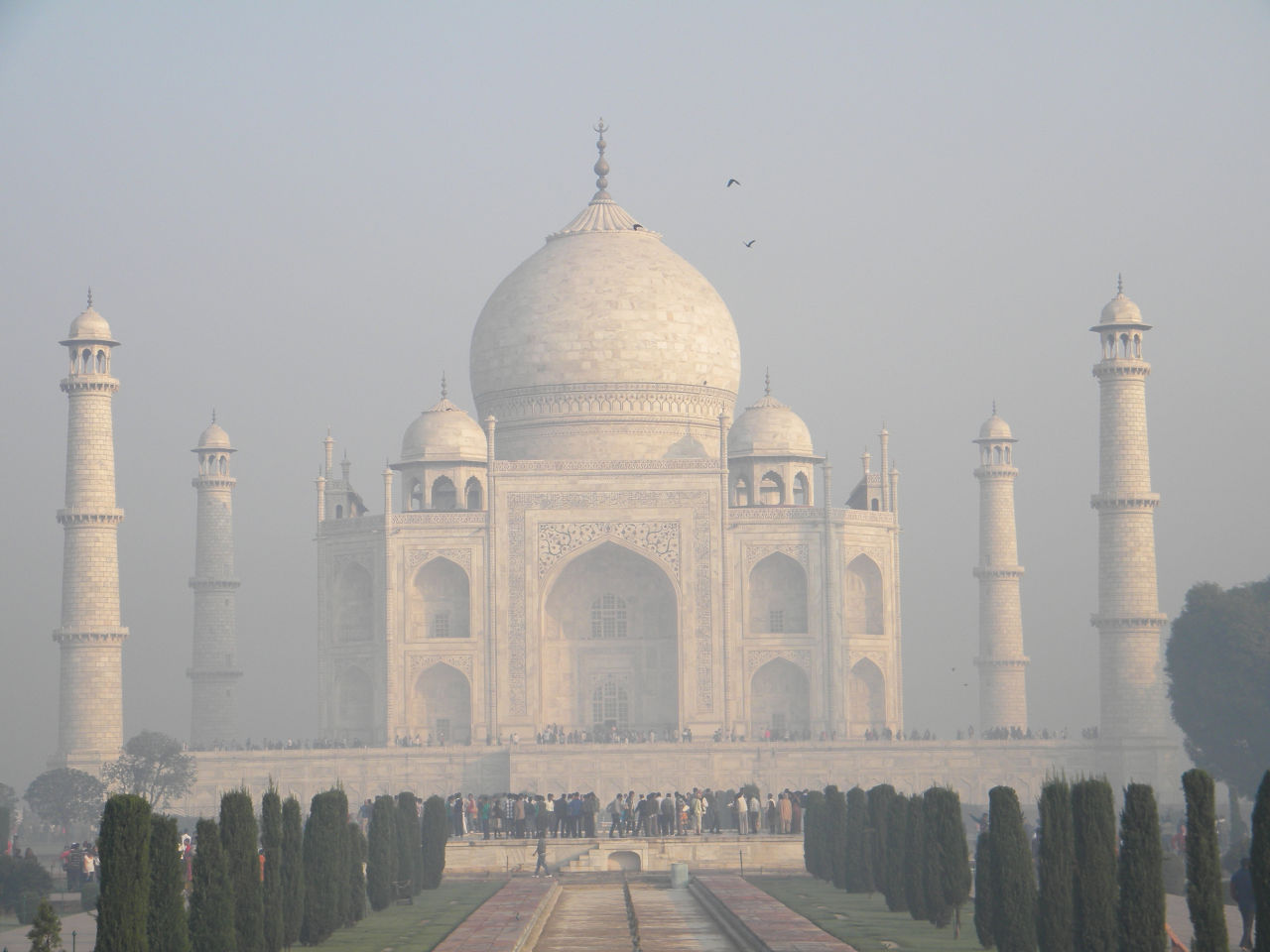
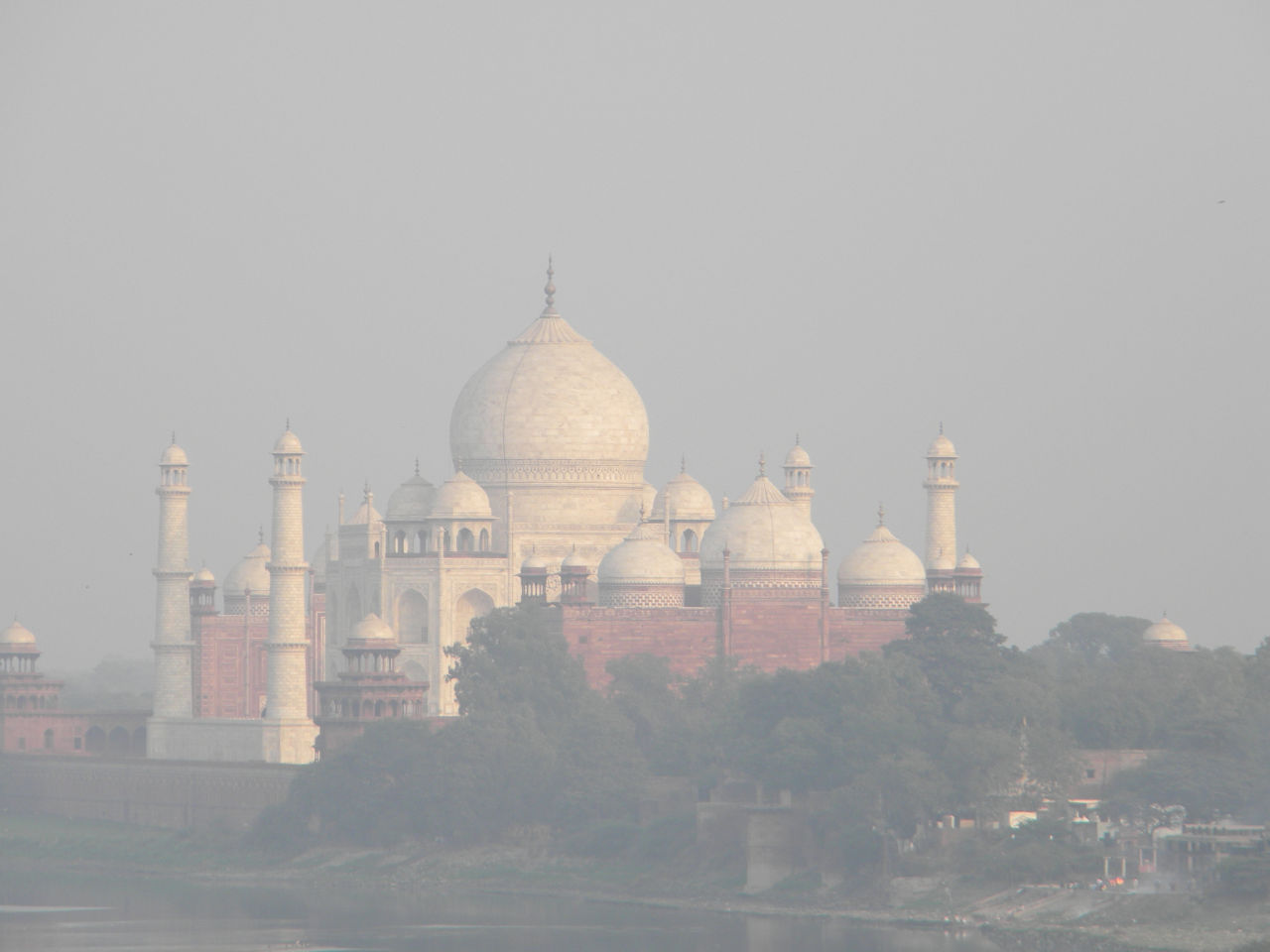
It is also one of the most famous and fascinating monuments in the world.Located in the city of Agra, India, this imposing white marble mausoleum attracts millions of visitors every year.
Of the seven wonders of the modern world, it stands out as the only one built entirely as a declaration of love and devotion.
Emperor Shah Jahan commissioned the monument in the 17th century in honor of his favorite wife, Mumtaz Mahal, who died giving birth to the couple’s 14th child.
The monumental project took more than 20 years to complete. It employed approximately 20,000 artisans and a council of architects led by the architect Ustad Ahmad Lahauri.
It is estimated that it cost the equivalent of approximately US$830 million in today’s dollars.
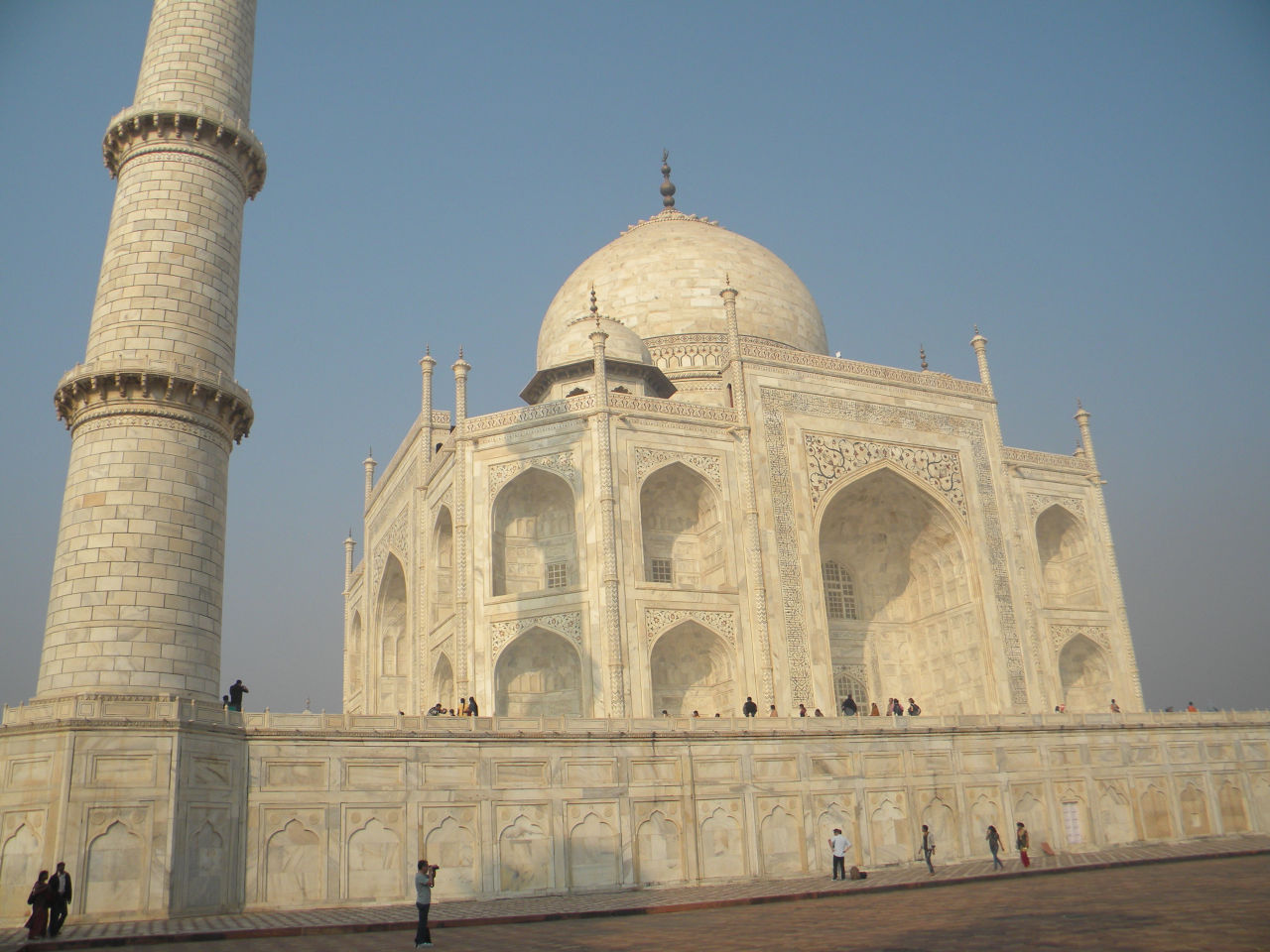
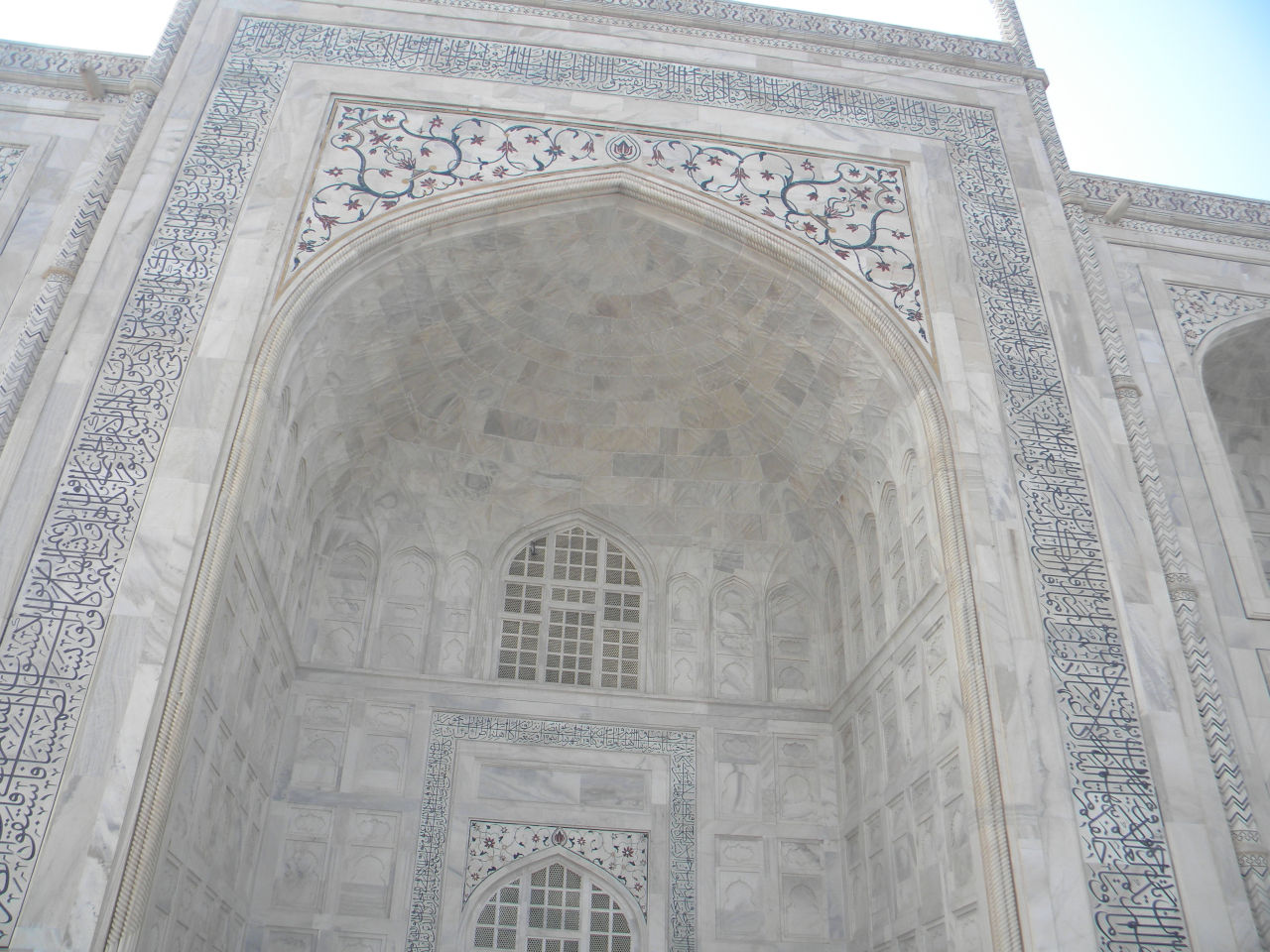
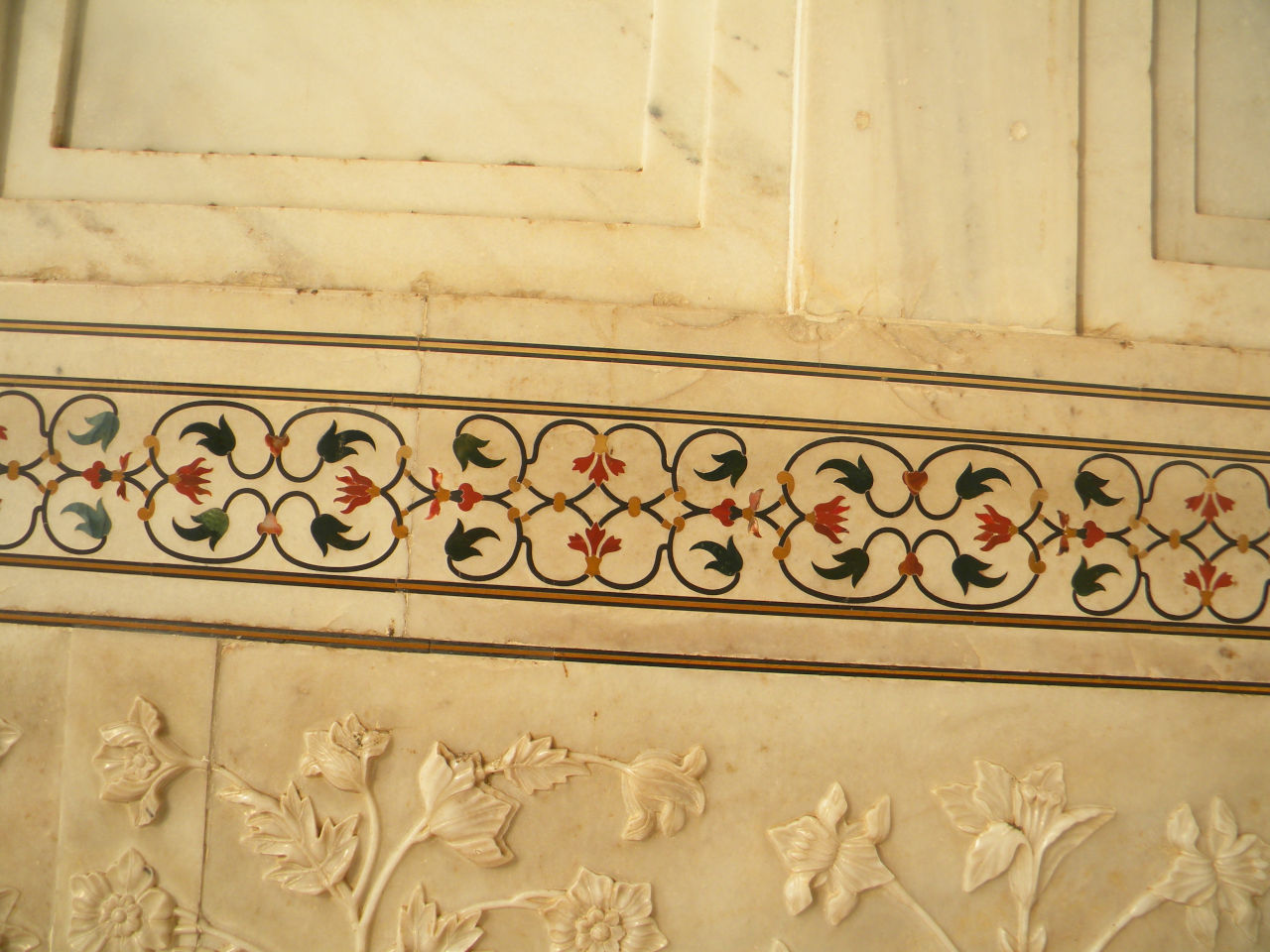
Every detail is impressive, from the inscriptions of the Quran to the marble inlaid with dozens of types of precious stones.
The Experience of Contemplating the Taj Mahal
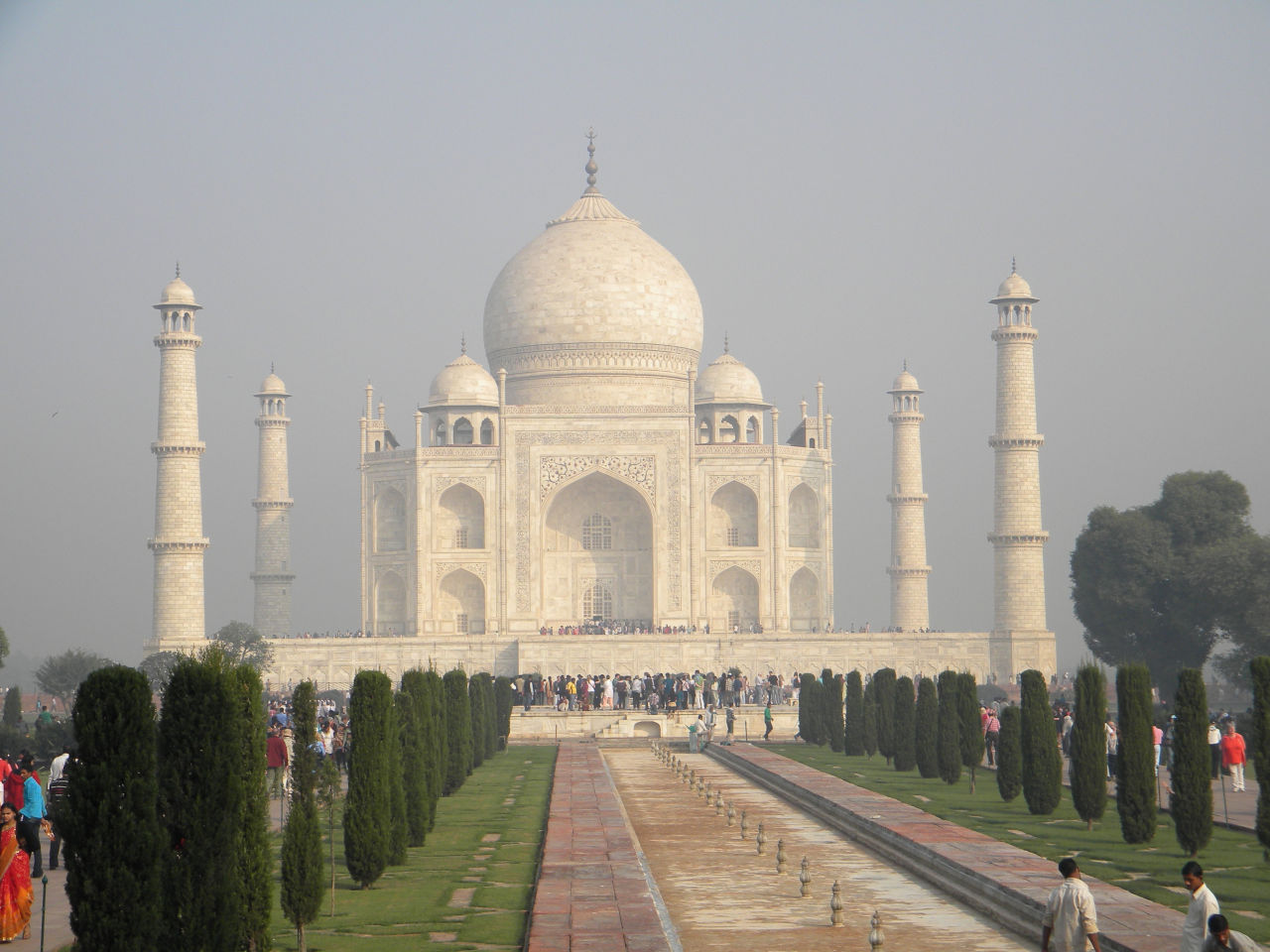
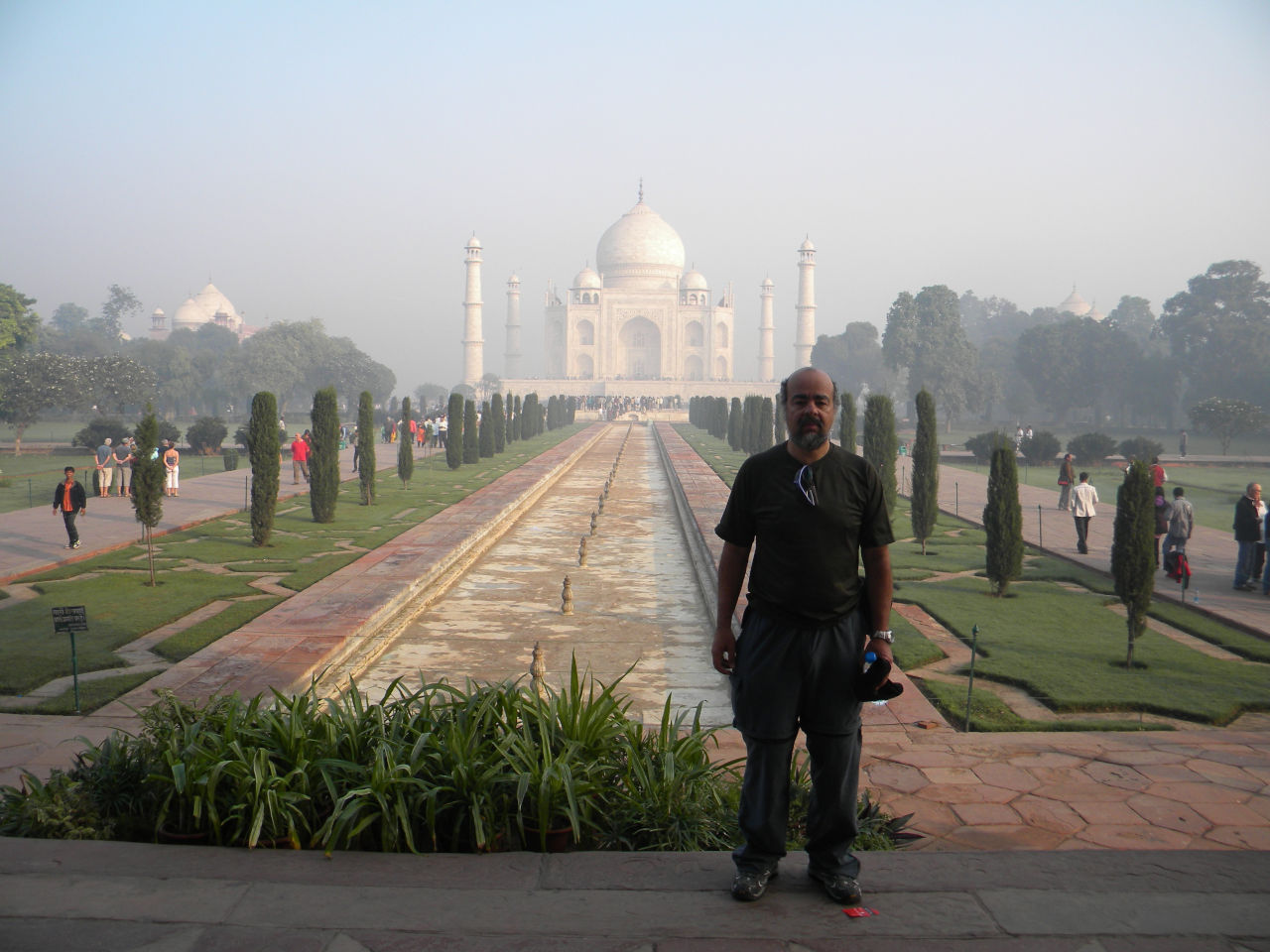
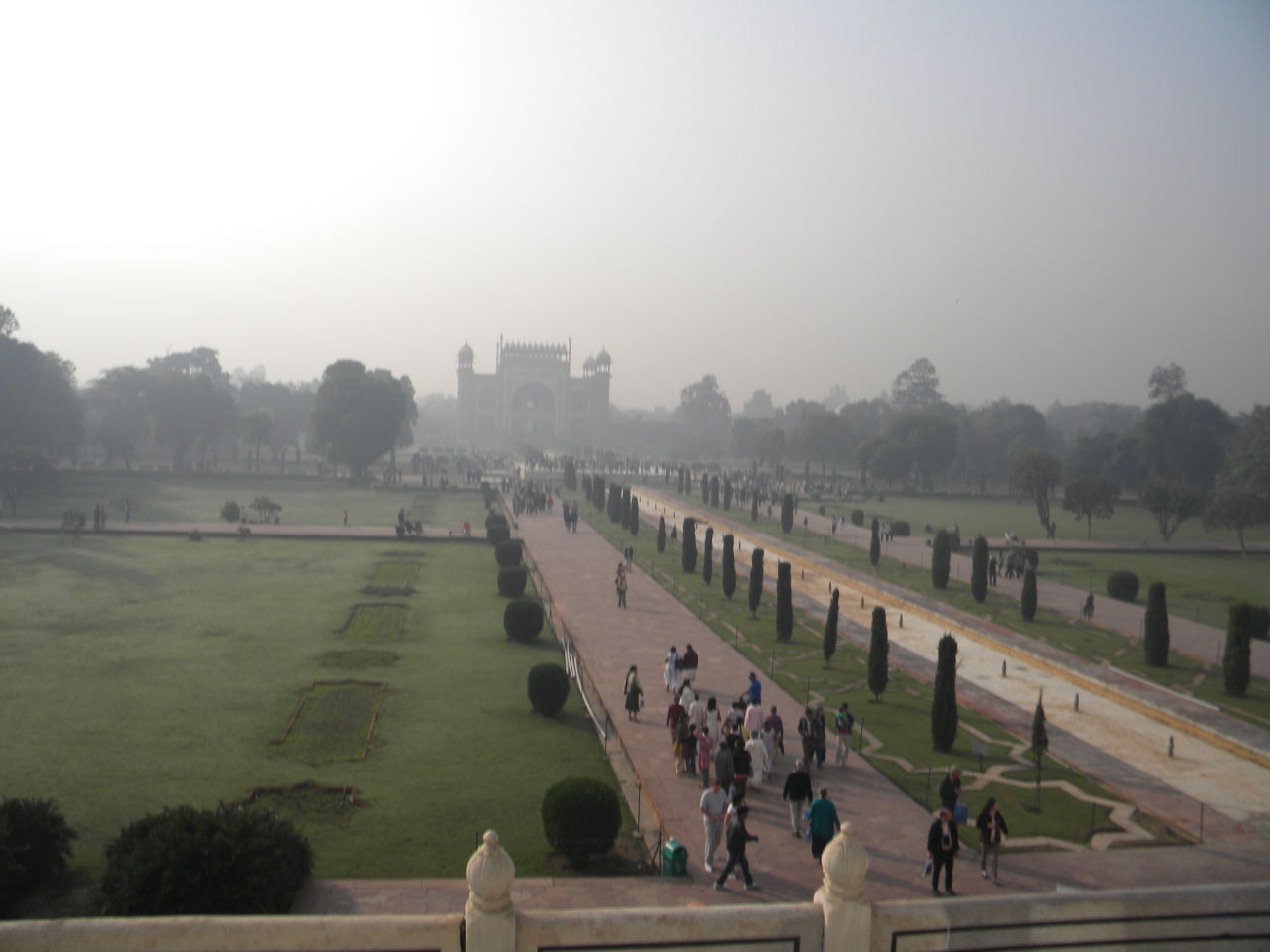
Crossing the gates of the Taj Mahal complex and seeing the monument emerge on the horizon is a remarkable experience. One of the structure’s most impressive features is its ability to change color depending on the sun’s position.
In the soft light of dawn, the white marble takes on a gray and pinkish hue, almost mystical. As the day progresses and the sun shines intensely, the structure gains a dazzling whiteness that contrasts perfectly with the blue of the sky and the green of the symmetrical gardens. At the end of the afternoon, the monument is tinged with gold.
Walking through the gardens and seeing the perfect reflection of the enormous dome in the central reflecting pool makes one understand the genius of its architects. The silence that settles in the mind, even with the presence of other visitors, allows one to absorb the grandeur and melancholy that envelop the place.
Visiting the Taj Mahal goes far beyond admiring a masterpiece of Mughal architecture; it’s witnessing an eternal symbol of art, culture, and emotion transformed into stone.


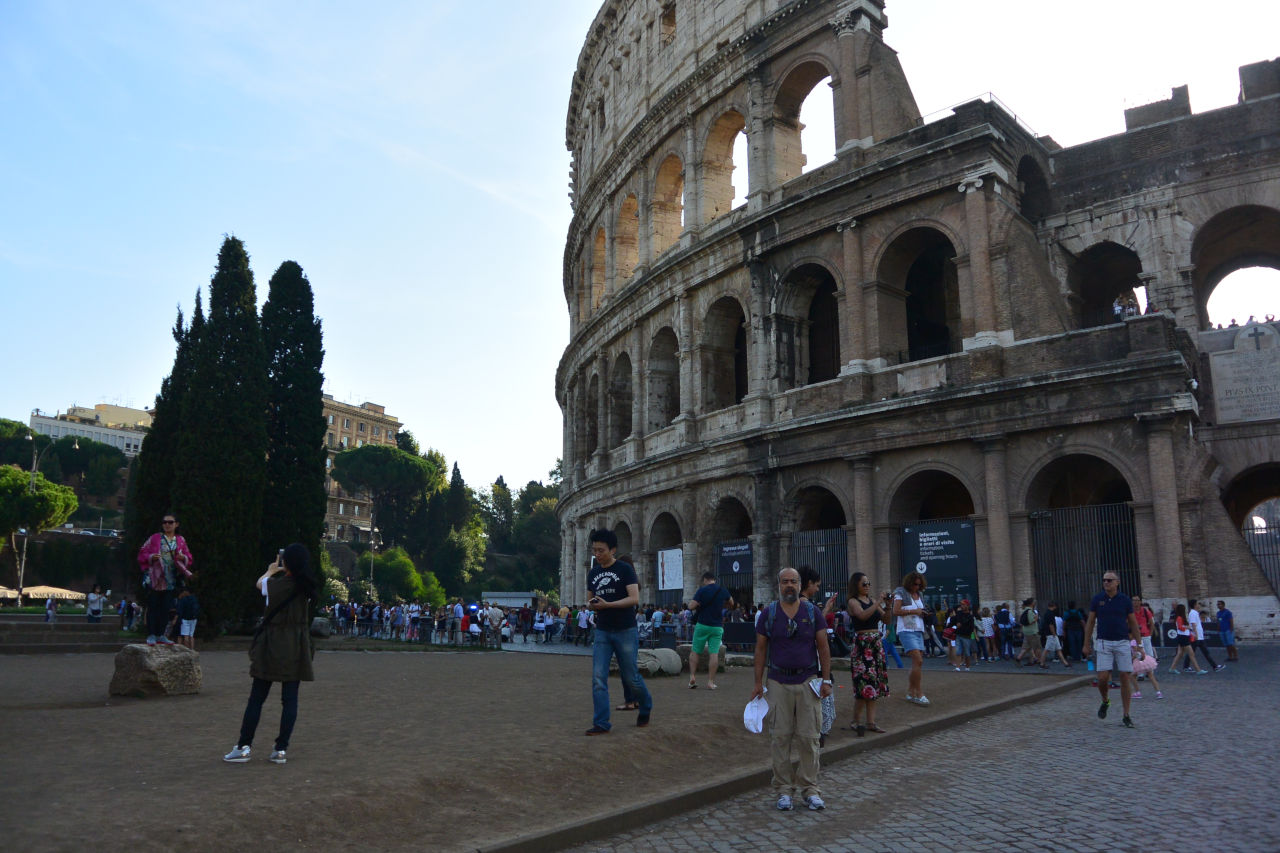
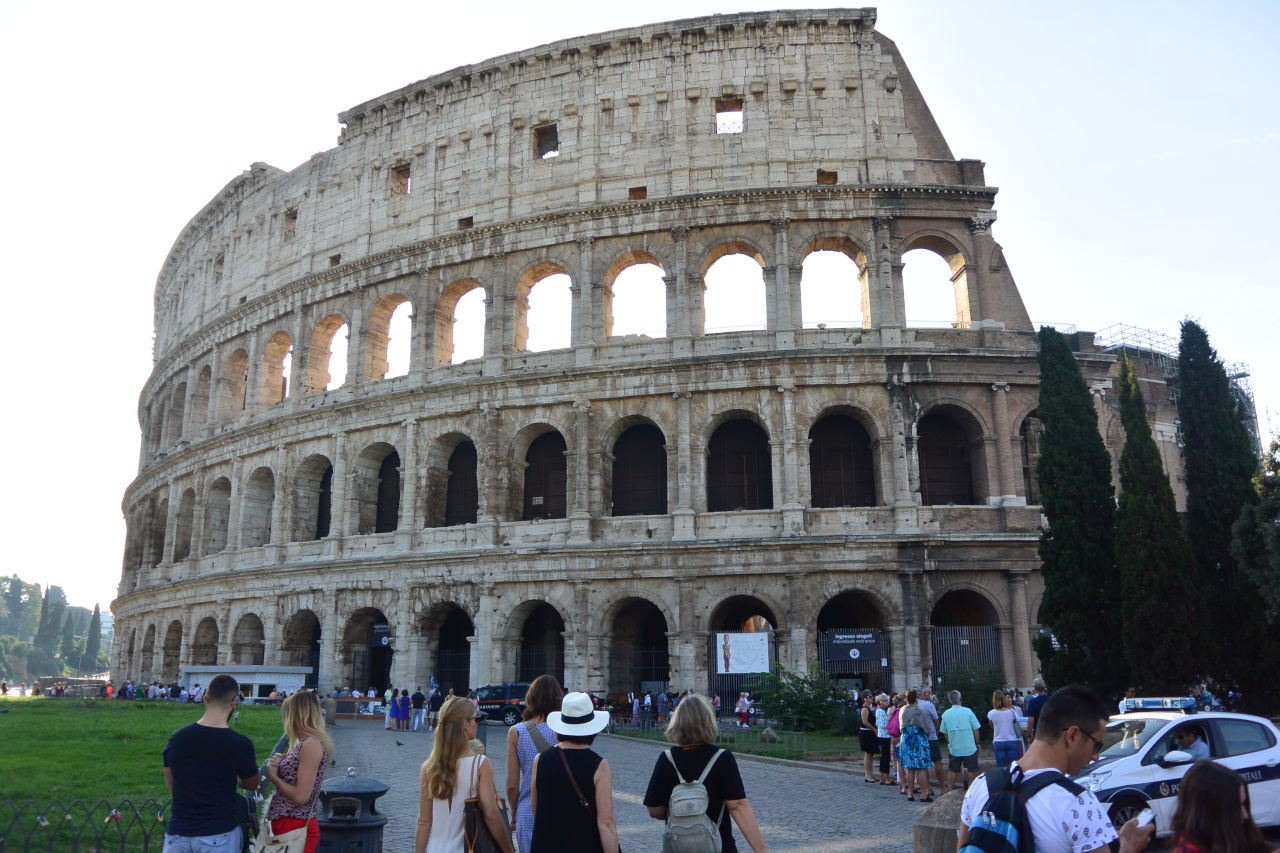
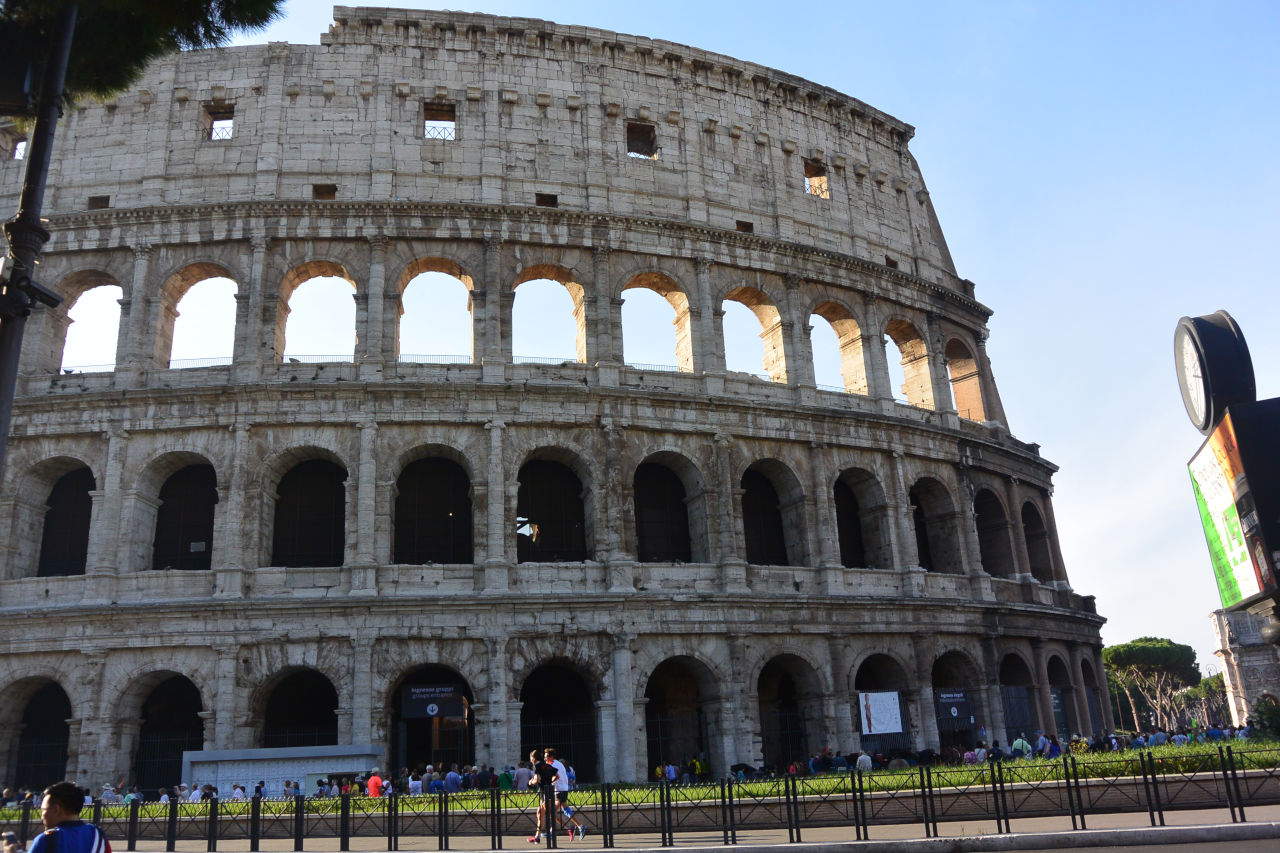
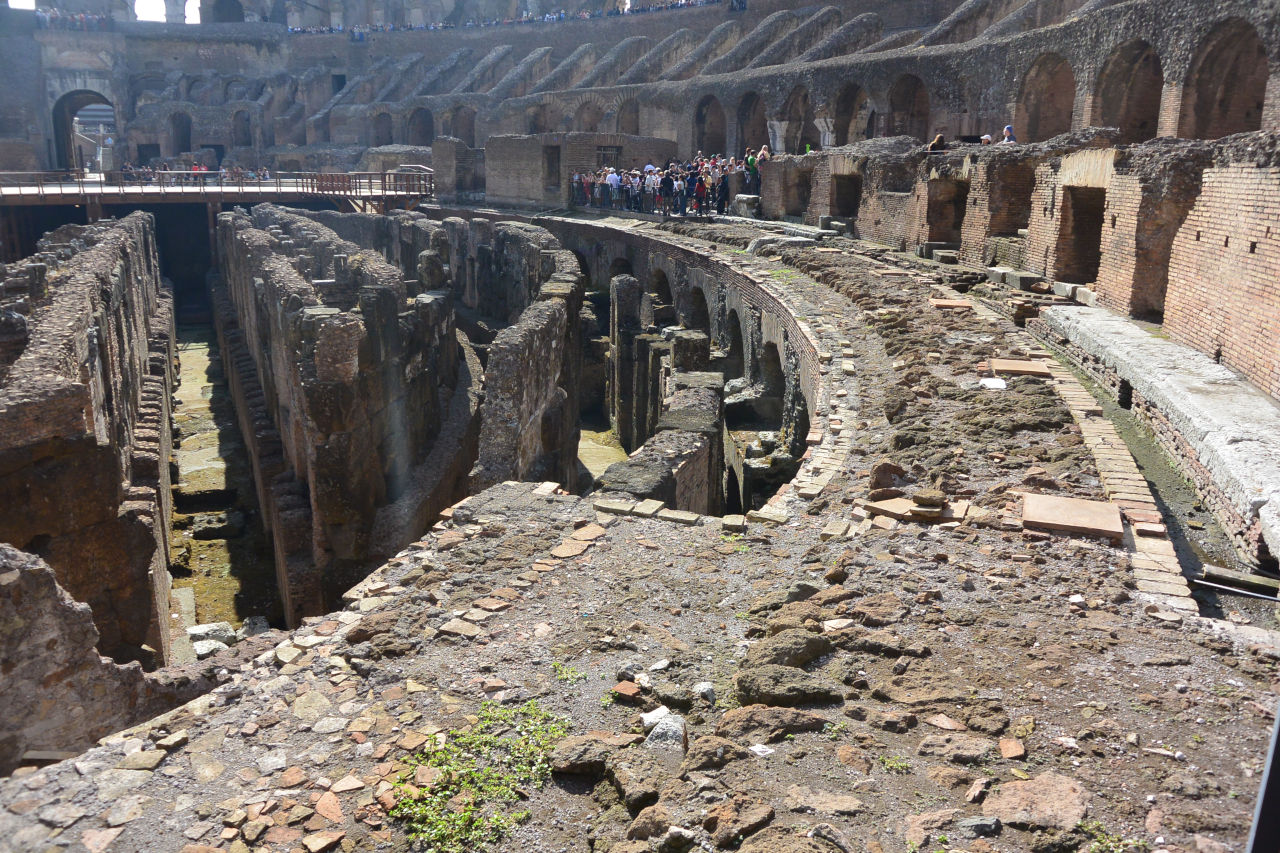
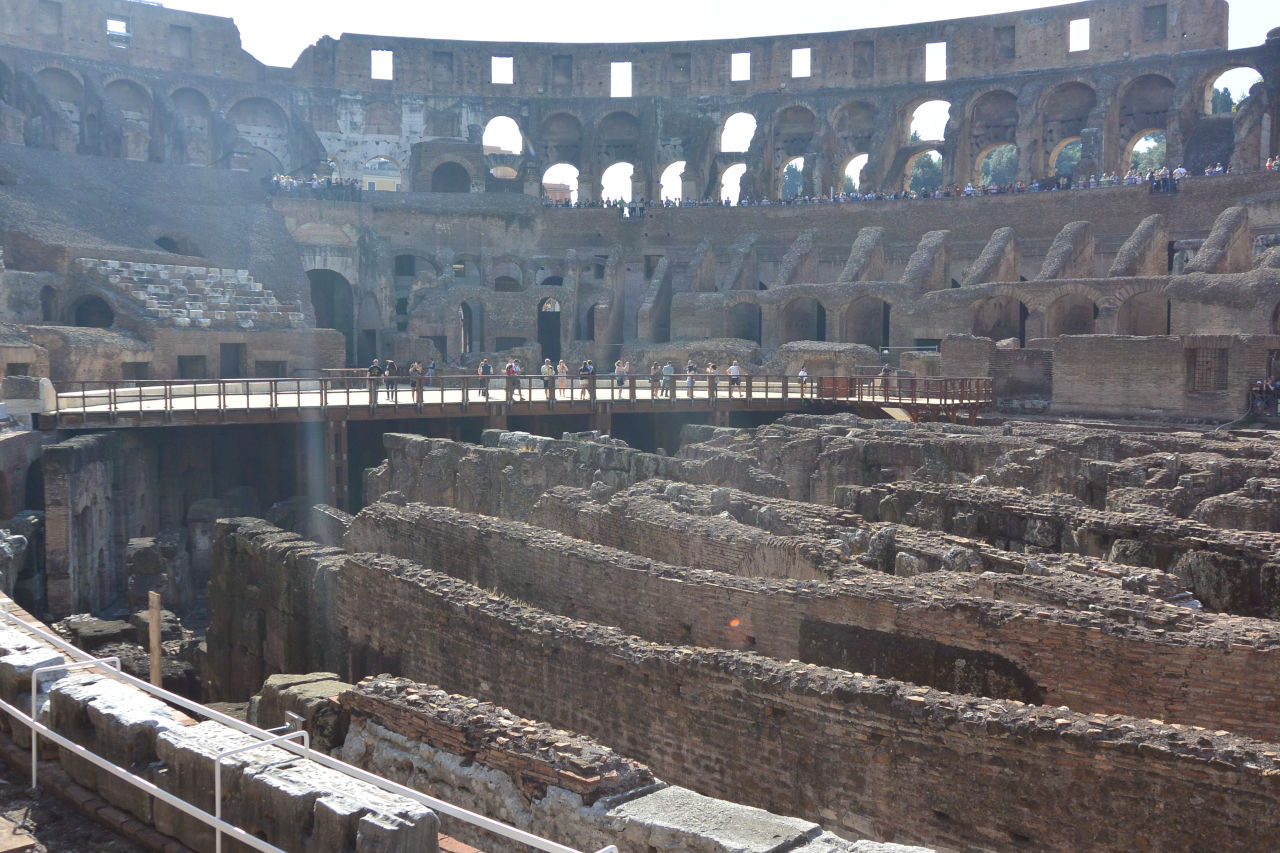
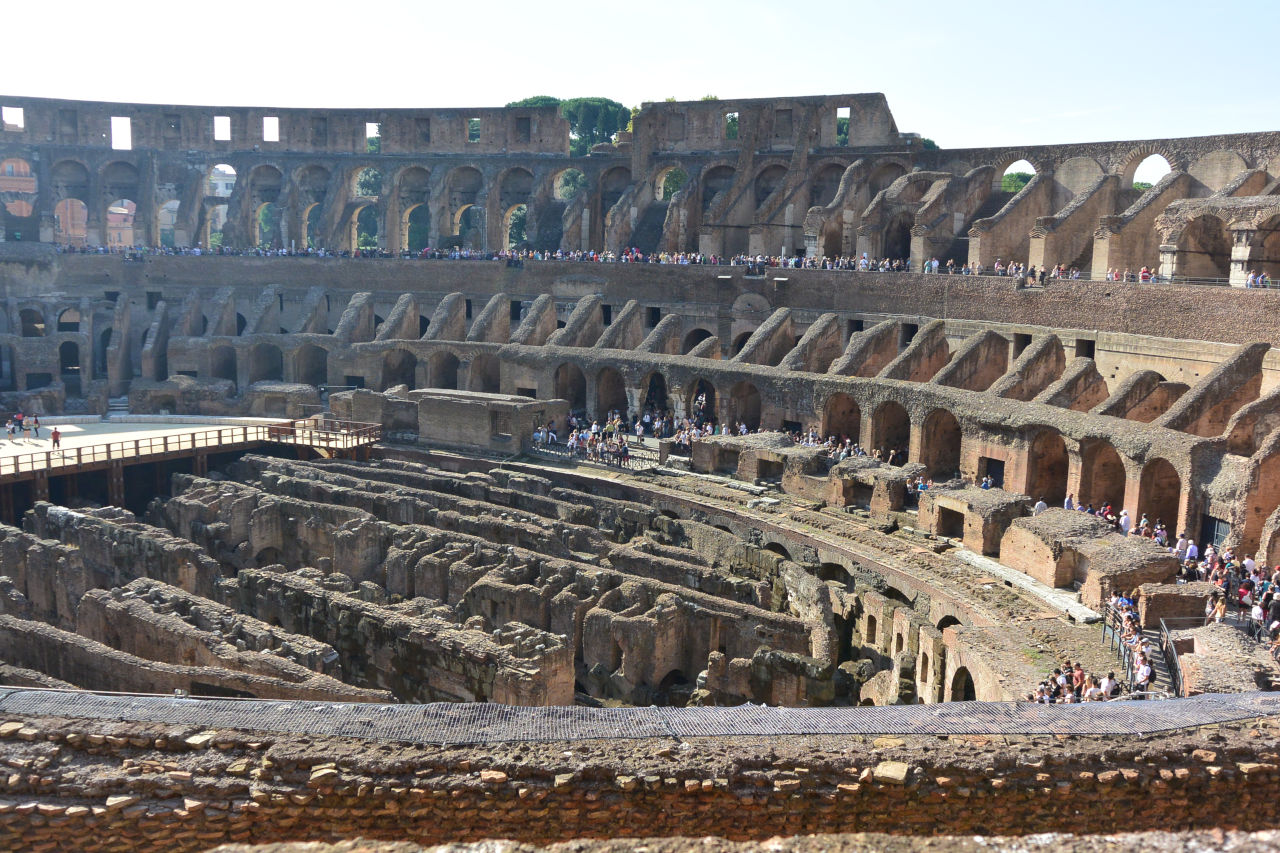
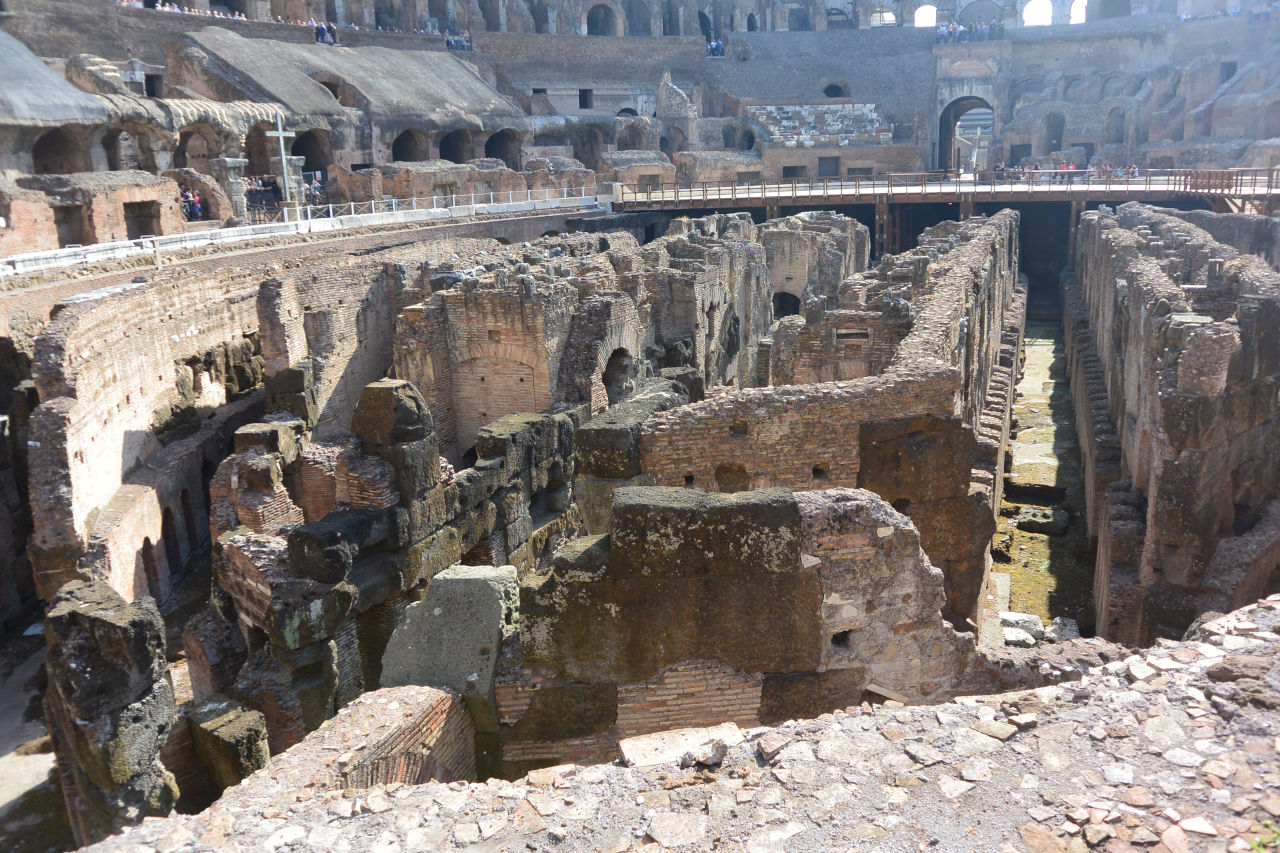
Colosseum - Rome - Italy.
The Colosseum in Rome, originally called the Flavian Amphitheatre, is the greatest symbol of the power and grandeur of the Roman Empire. Built in the 1st century, its construction was begun by Emperor Vespasian in 72 AD and completed by his successor, Titus, in 80 AD.
Located in the heart of Rome, next to the Roman Forum and Palatine Hill, it has established itself as one of the most visited tourist attractions in all of Italy and one of the seven wonders of the modern world.
With a capacity of 50,000 spectators, the venue was the center of Roman entertainment for centuries, serving as a stage for gladiatorial battles, exotic animal hunts, and public executions.
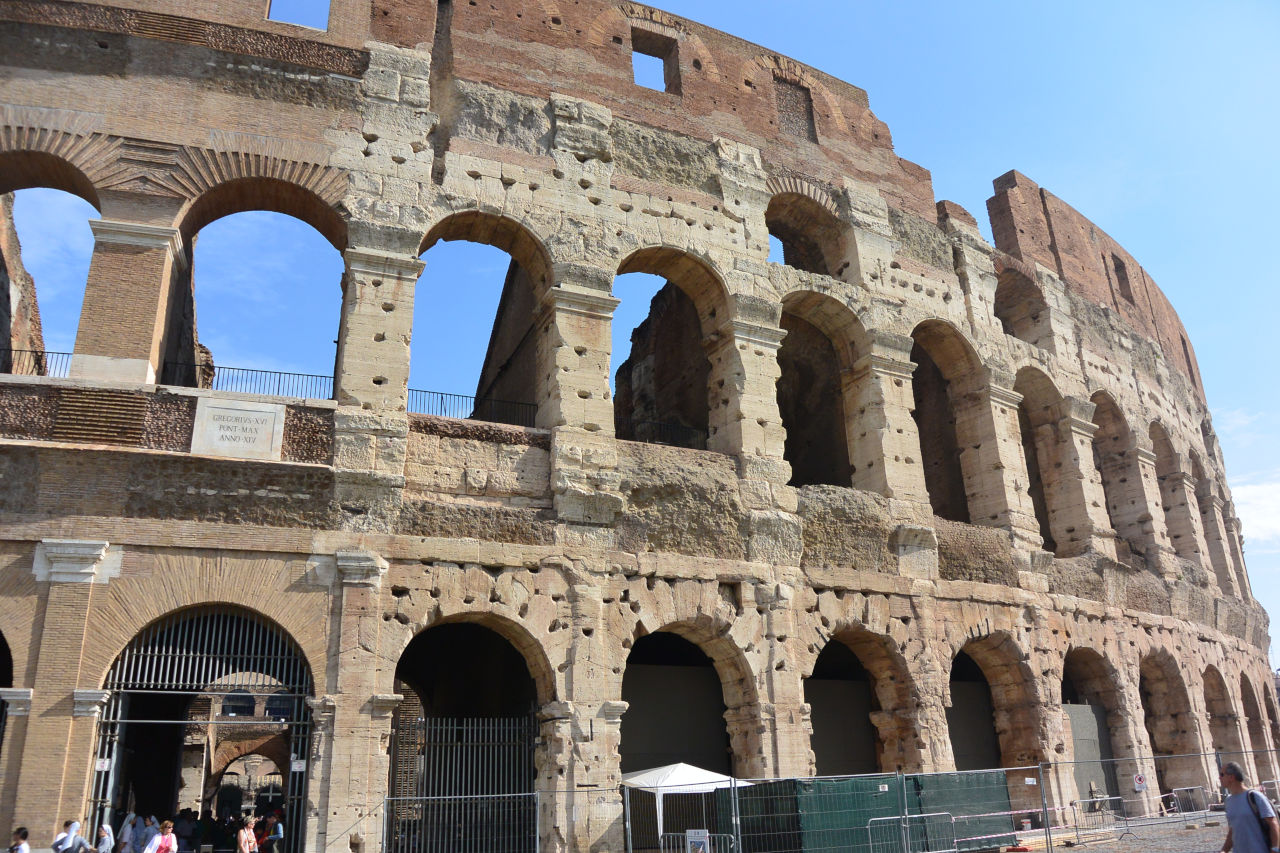
Abandoned at the beginning of the medieval era, the amphitheater was used as housing and workshops, and many of its stones and materials were removed to erect other buildings in the city. Today, to explore its ruins without facing long queues, planning and purchasing tickets in advance are essential.
The Experience of Walking Through History
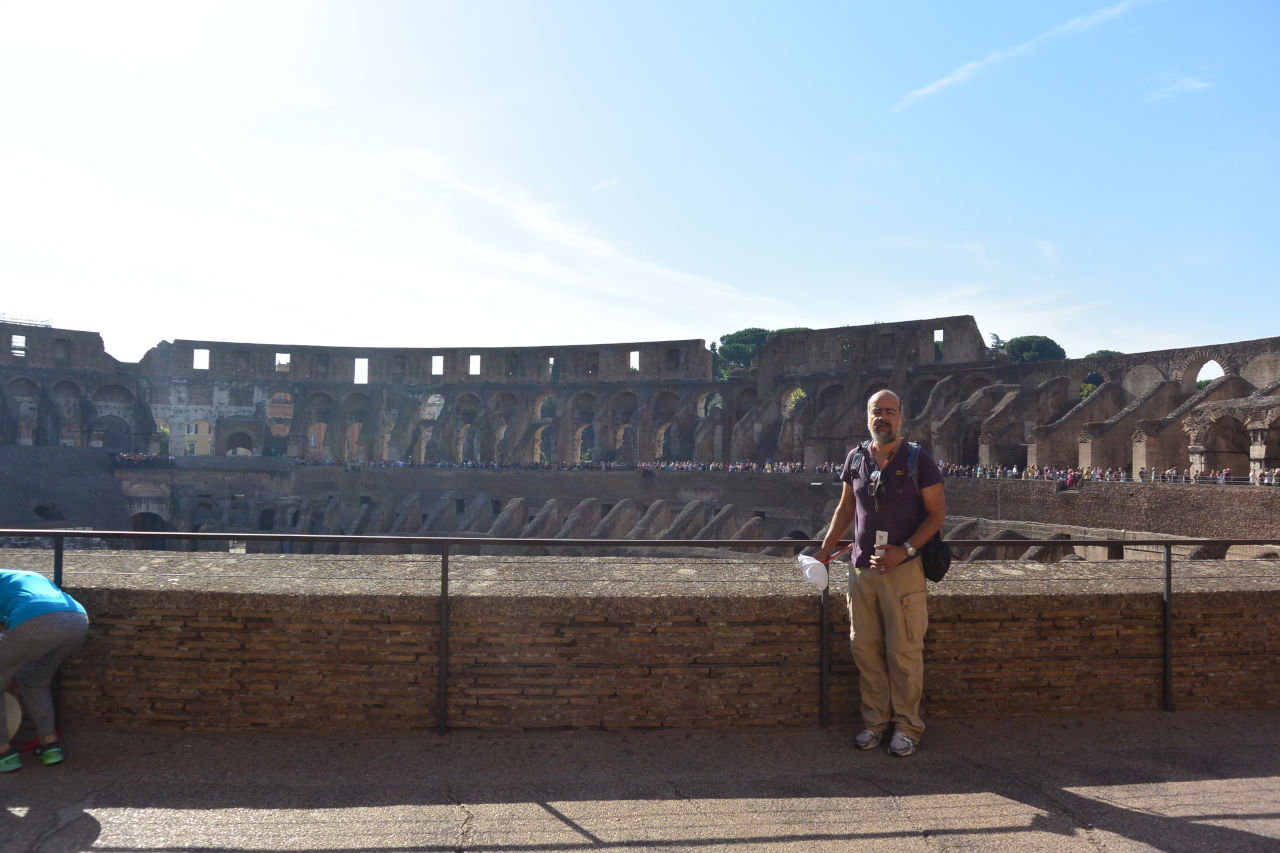
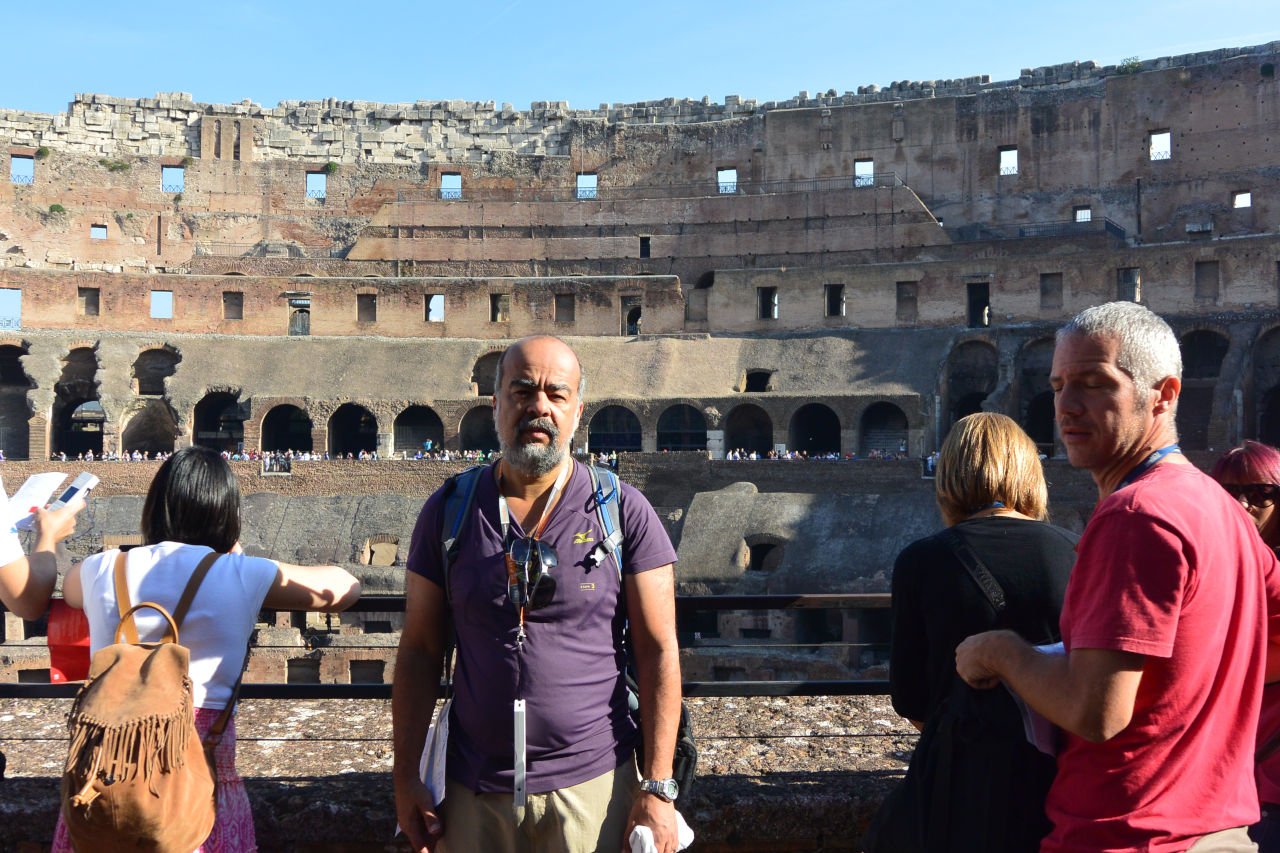
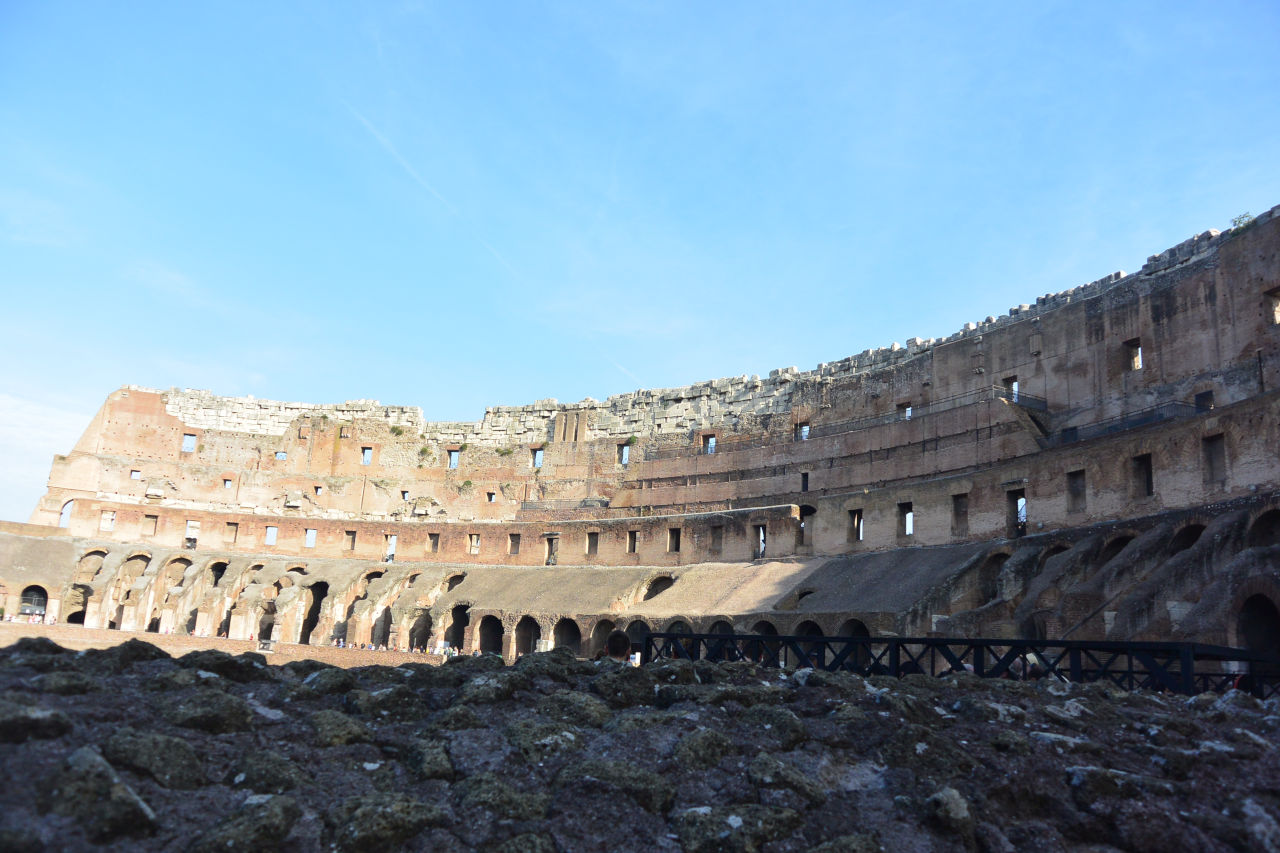
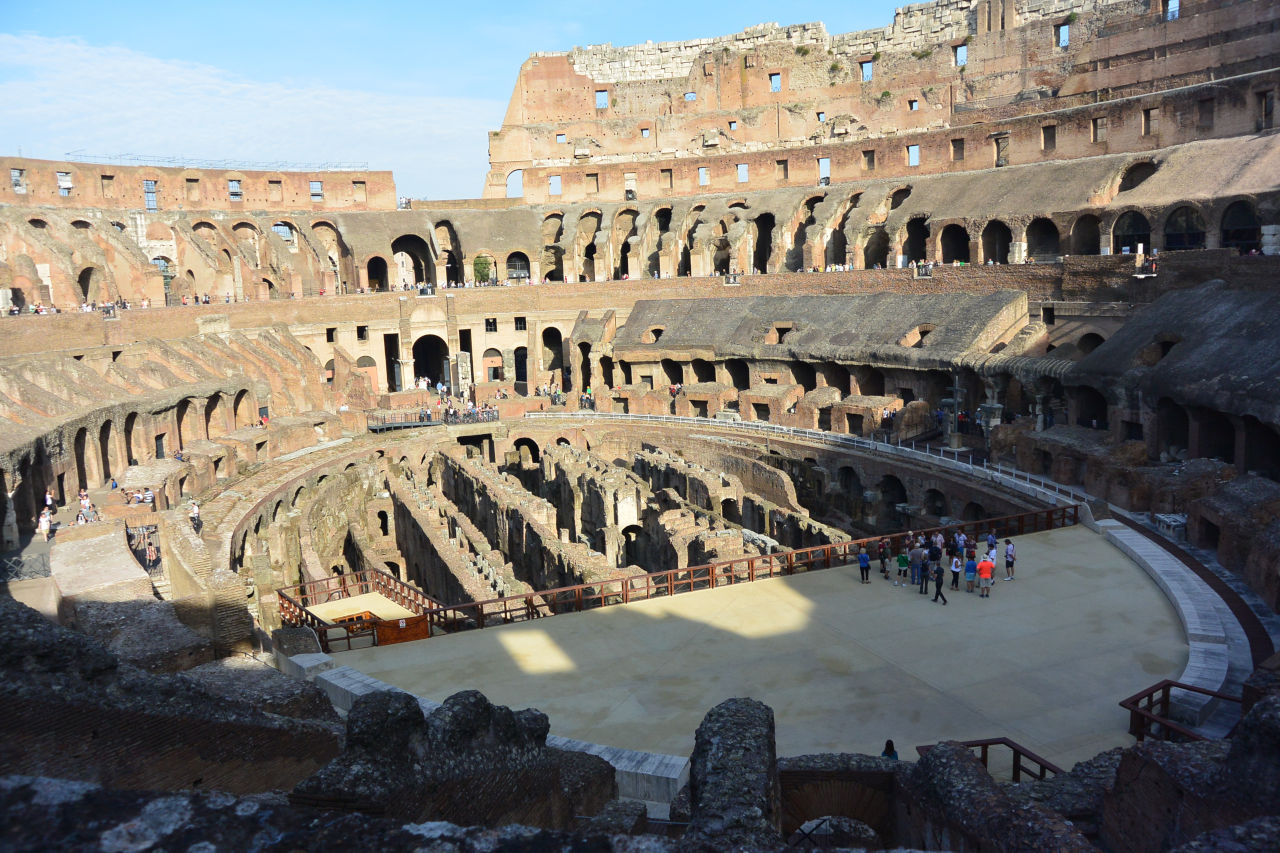
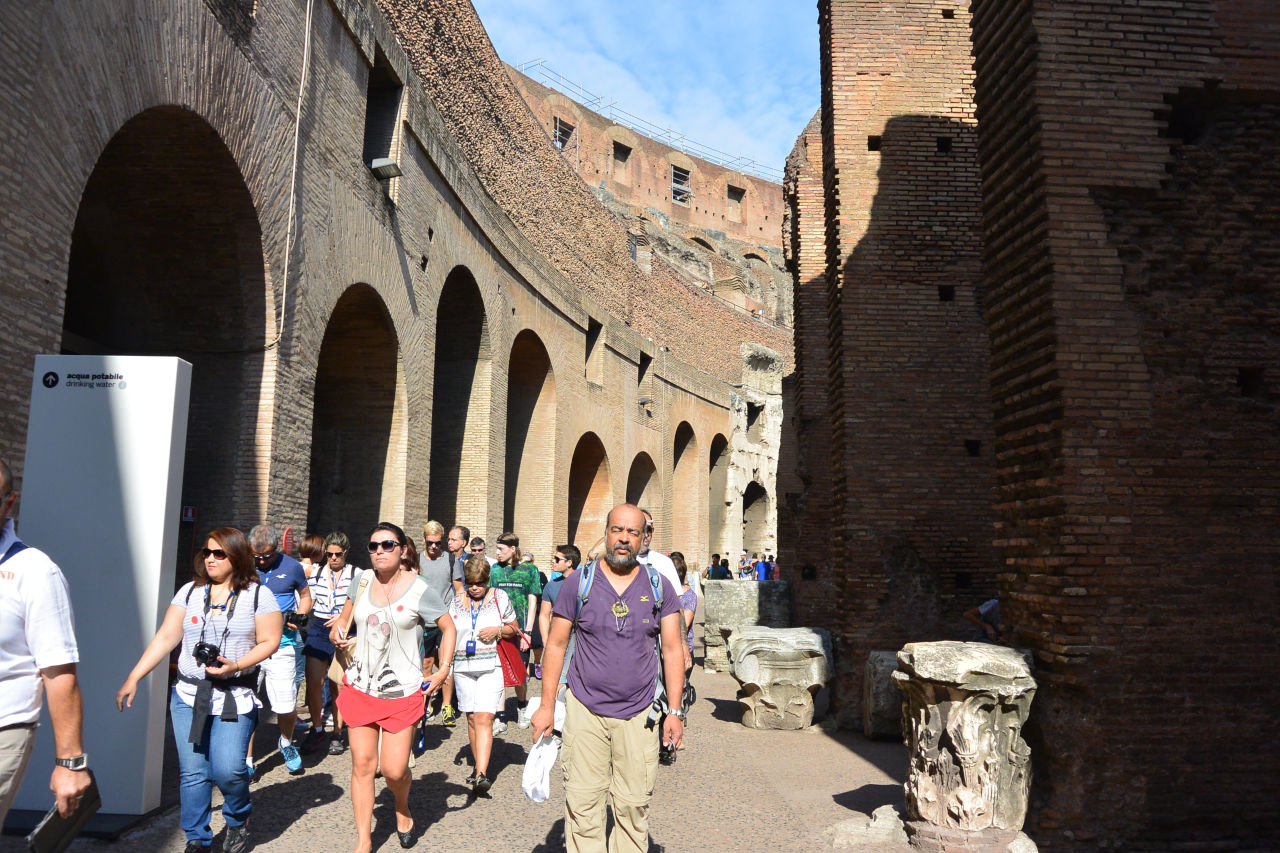
Entering the Colosseum is like taking an immediate trip back in time. The grandeur of the exterior facade is impressive, but it’s inside that the atmosphere truly moves you.
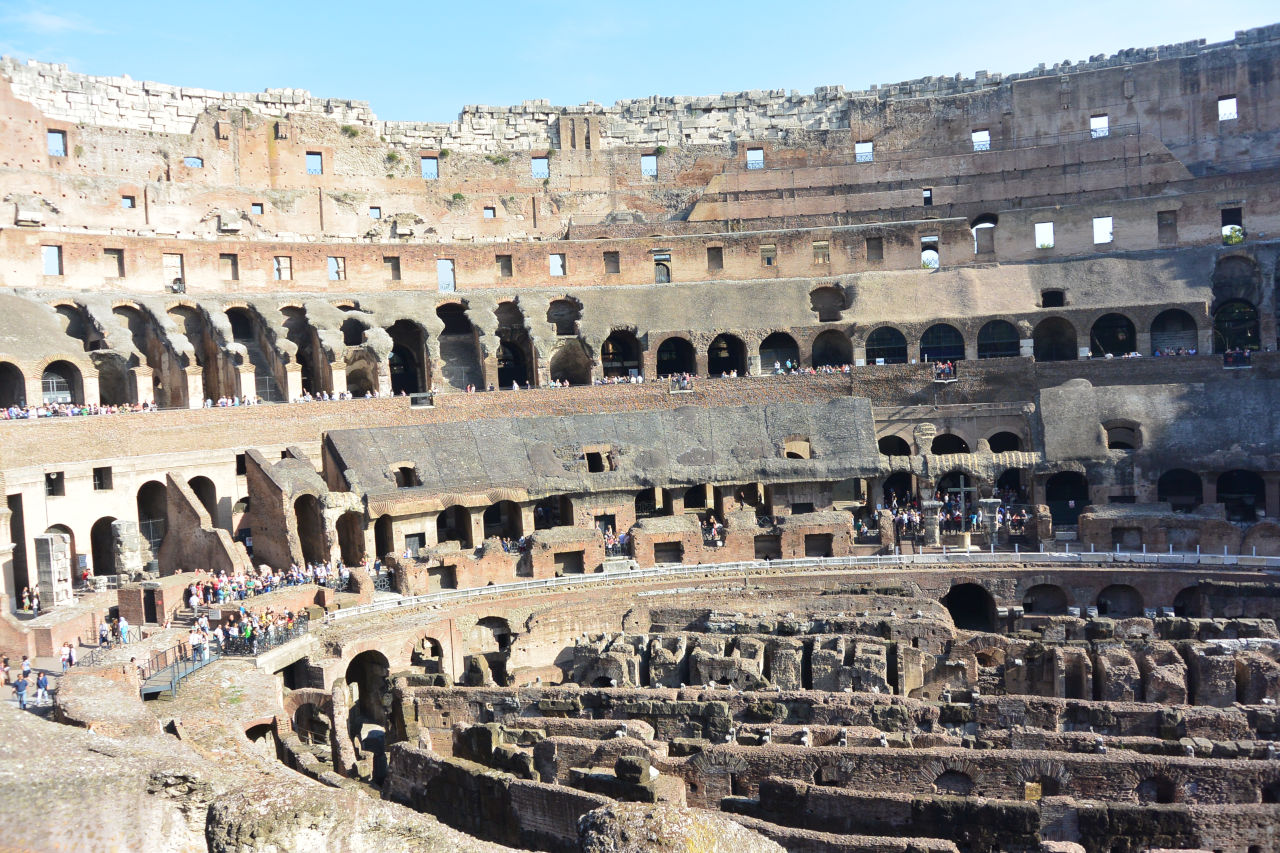
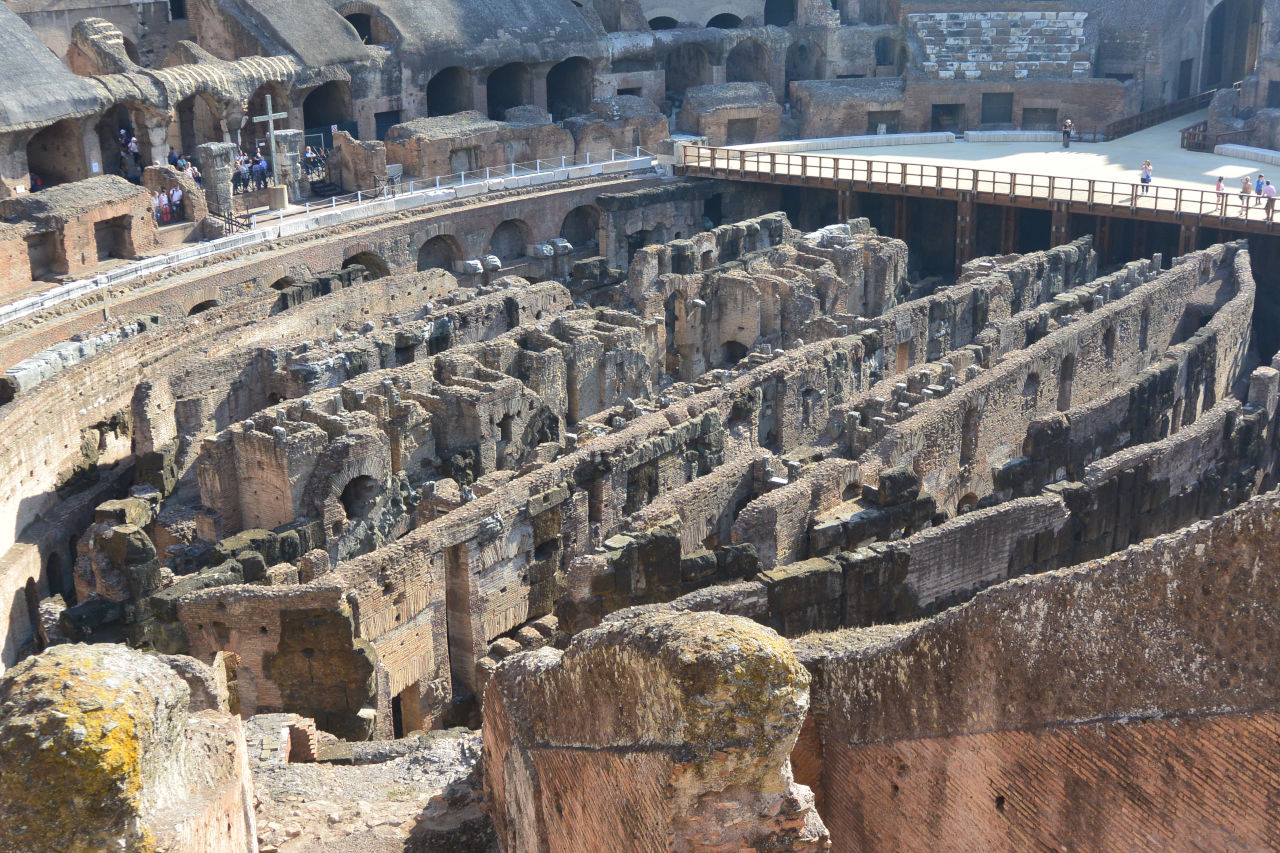
Walking through the stone corridors wherecirculatedSeeing thousands of Roman citizens creates an incredible feeling. Climbing into the stands and looking towards the center of the amphitheater, the impact is total. Today, the wooden arena no longer exists, exposing the hypogeum, the complex underground network of tunnels and cells where gladiators and animals waited before going up for combat.
Standing there, observing that colossal structure and imagining the roar of the crowd, the sound of armor, and the tension that filled the air almost two thousand years ago, is a unique experience.
Roman engineering is alive and well in every arch and wall that has withstood earthquakes and looting.
Visiting the Colosseum goes far beyond contemplating an ancient monument; it’s witnessing firsthand the strength, genius, and contradictions of a civilization that shaped the history of the world.
Chichen Itza - Mexico
Chichén Itzá, whose name means “at the mouth of the well of Itza,” was one of the most important and influential cities of the Mayan civilization. Located on the Yucatán Peninsula in Mexico, the metropolis prospered from 600 AD until the 1200s, and the reason for its decline remains a great mystery.
Today, the archaeological complex is recognized as one of the seven wonders of the modern world and attracts travelers from all over the globe.
To visit the site, the most common bases are Cancún, Playa del Carmen, or Mérida, from where daily excursions and transportation depart. The golden tip is to arrive very early, right when the gates open, to guarantee clearer photos and explore the structures before the intense midday heat takes over the region.
The Experience of Exploring the Mayan World
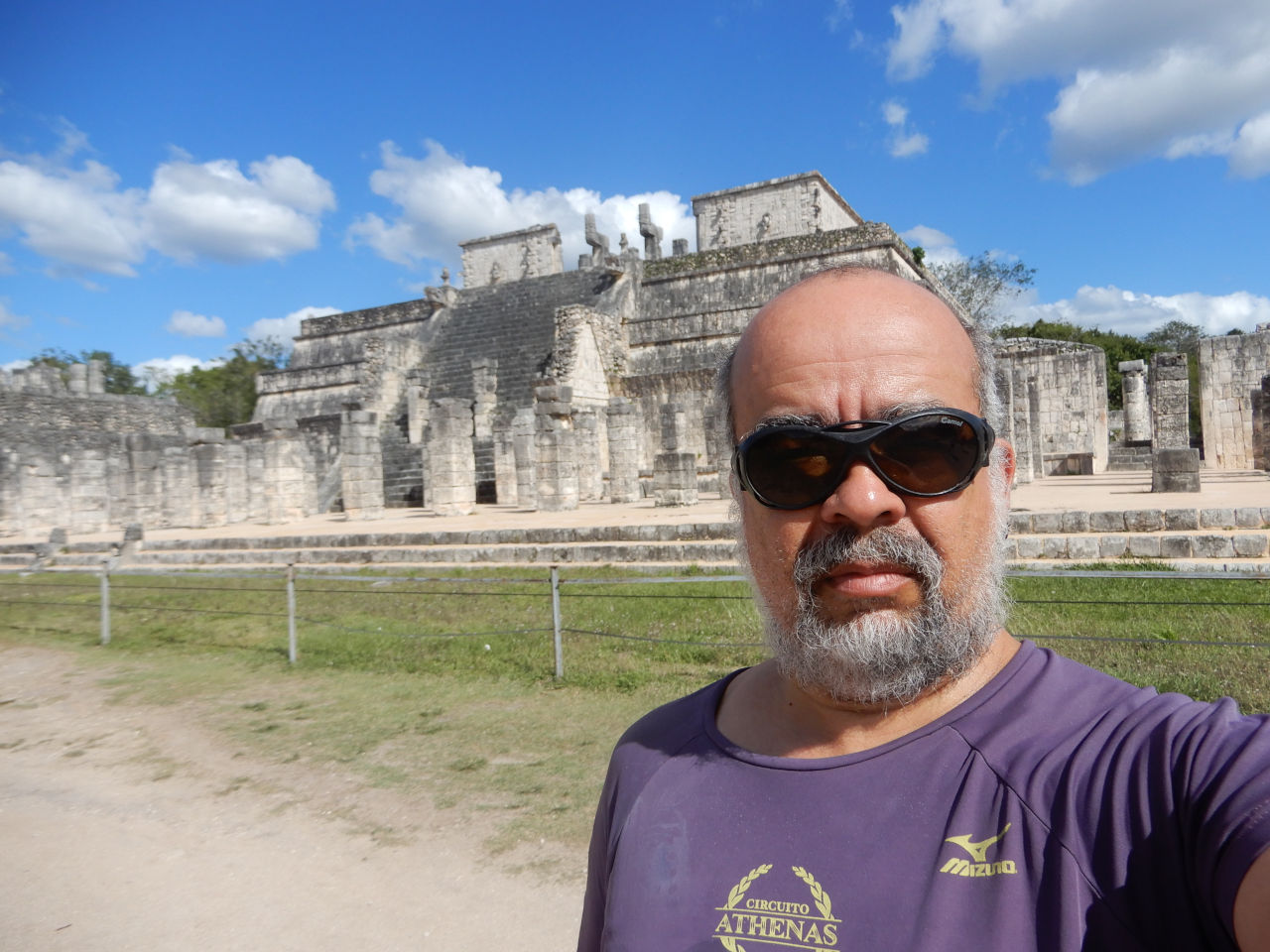
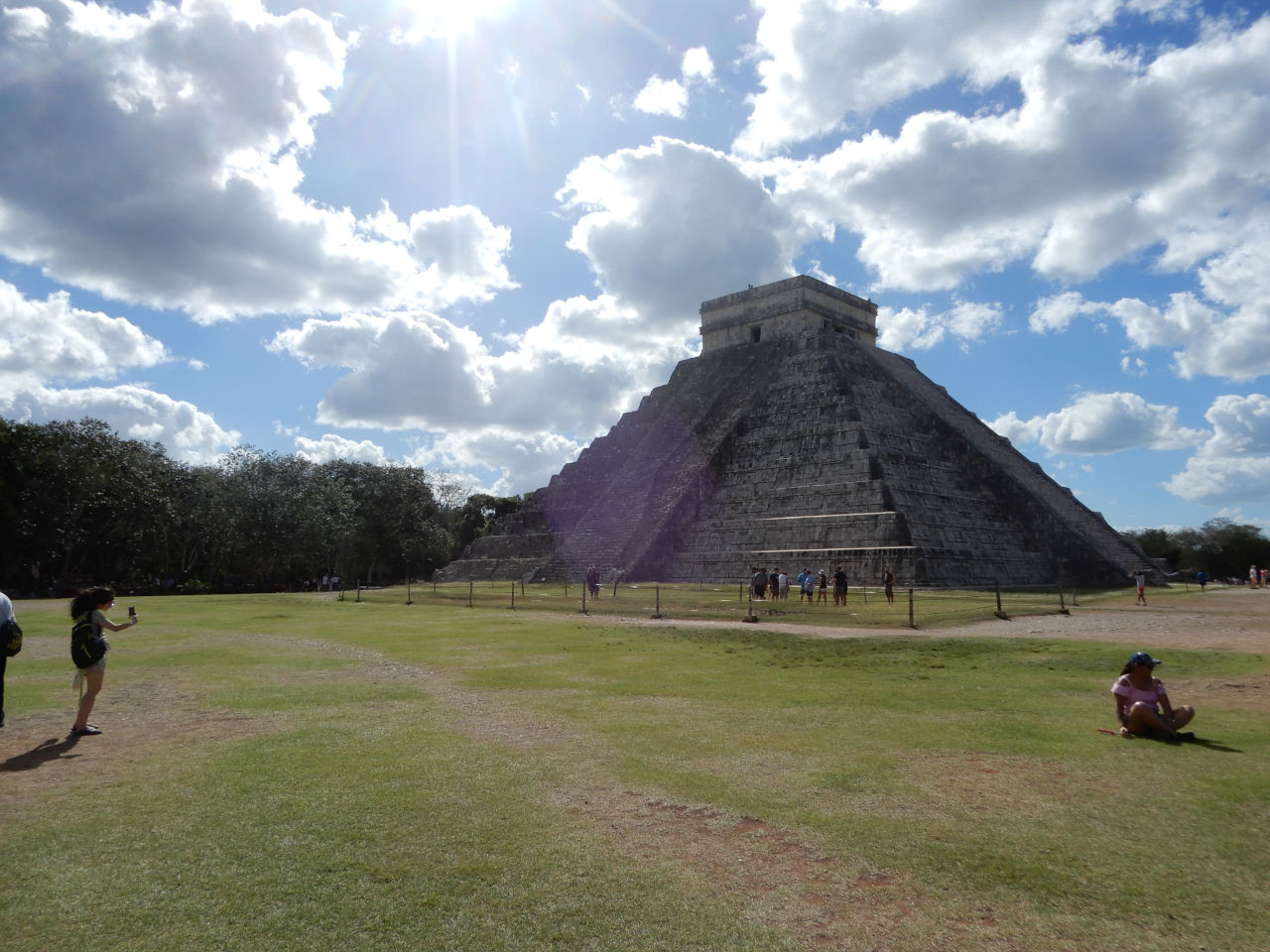
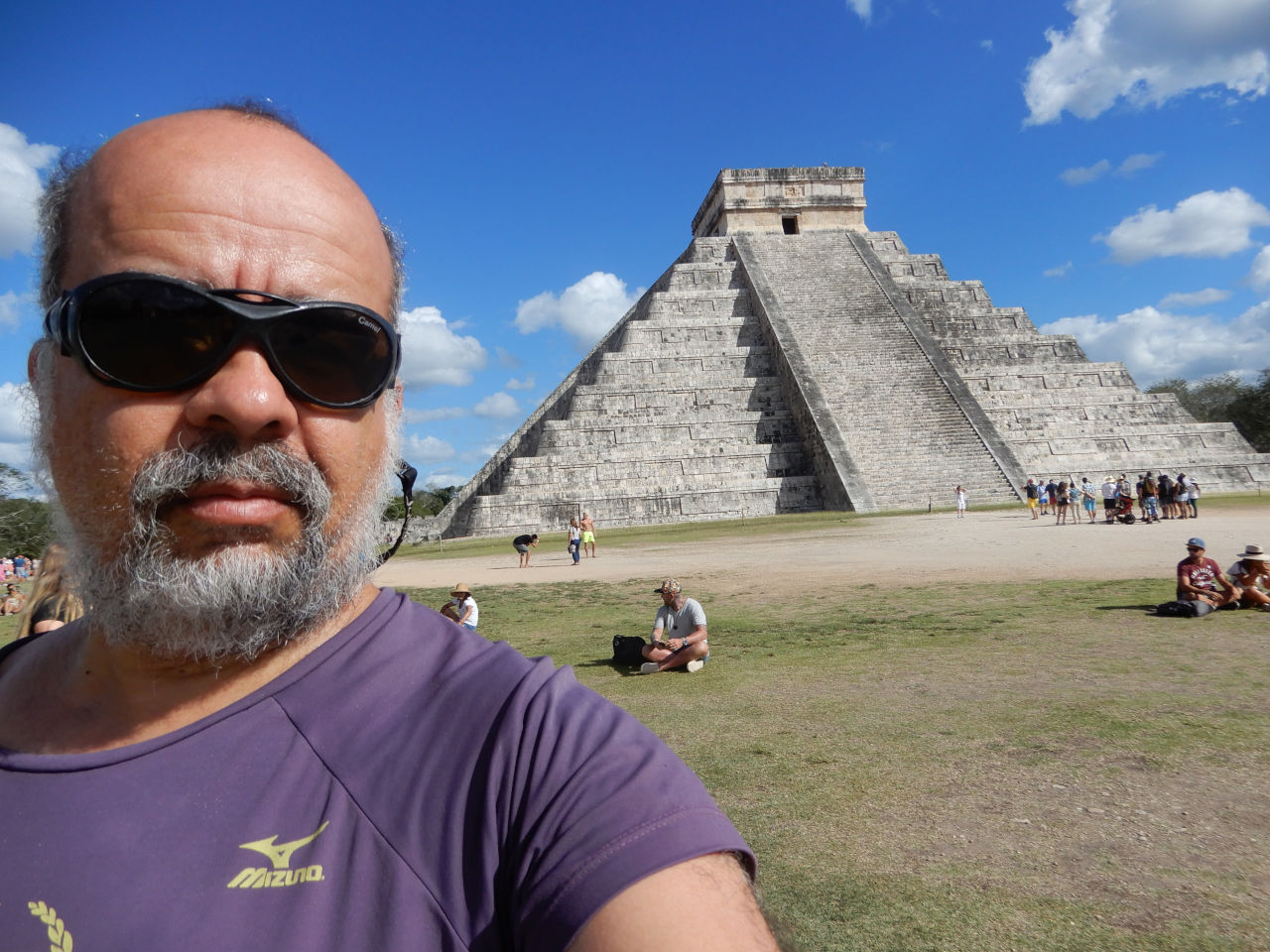
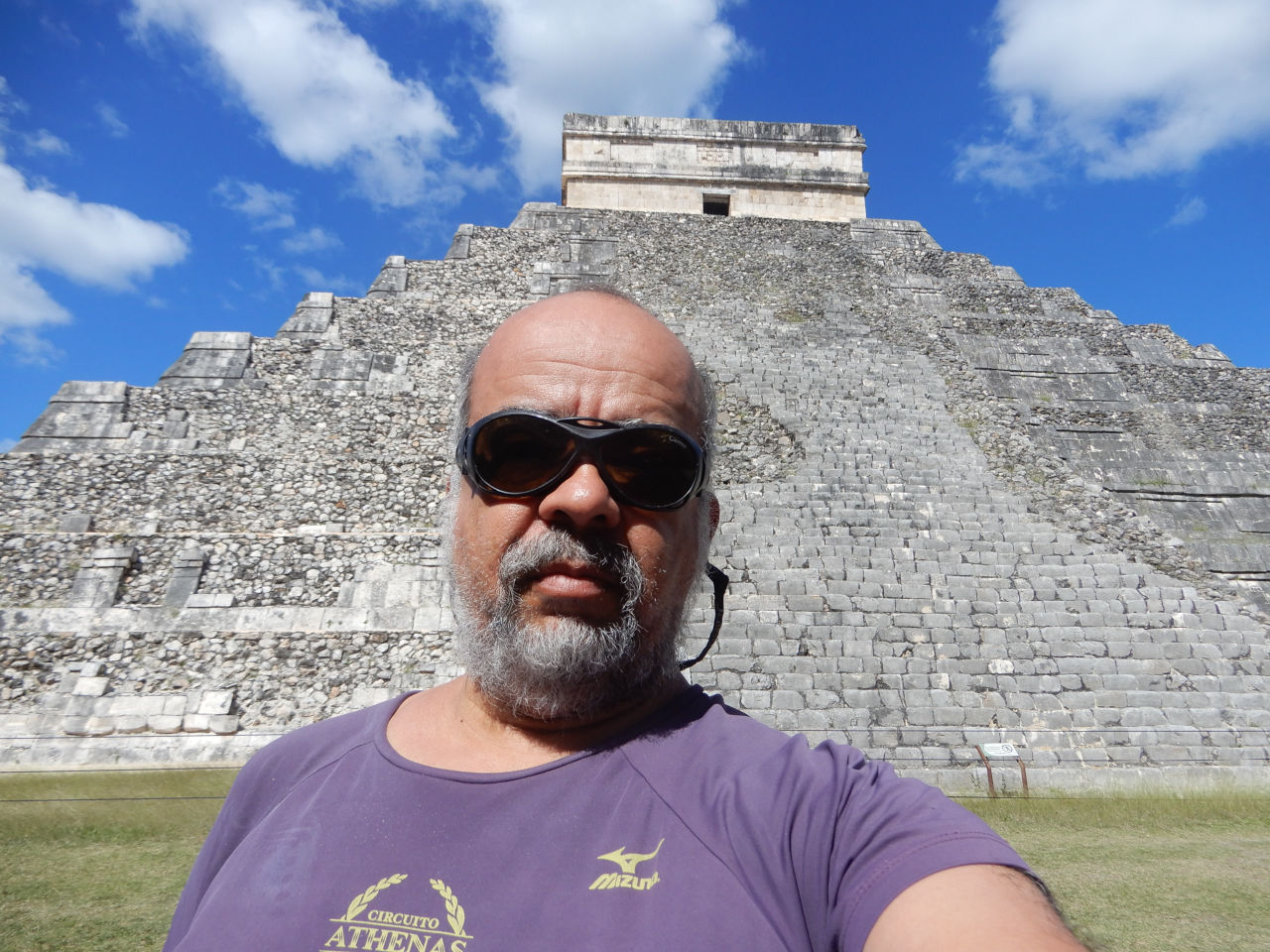
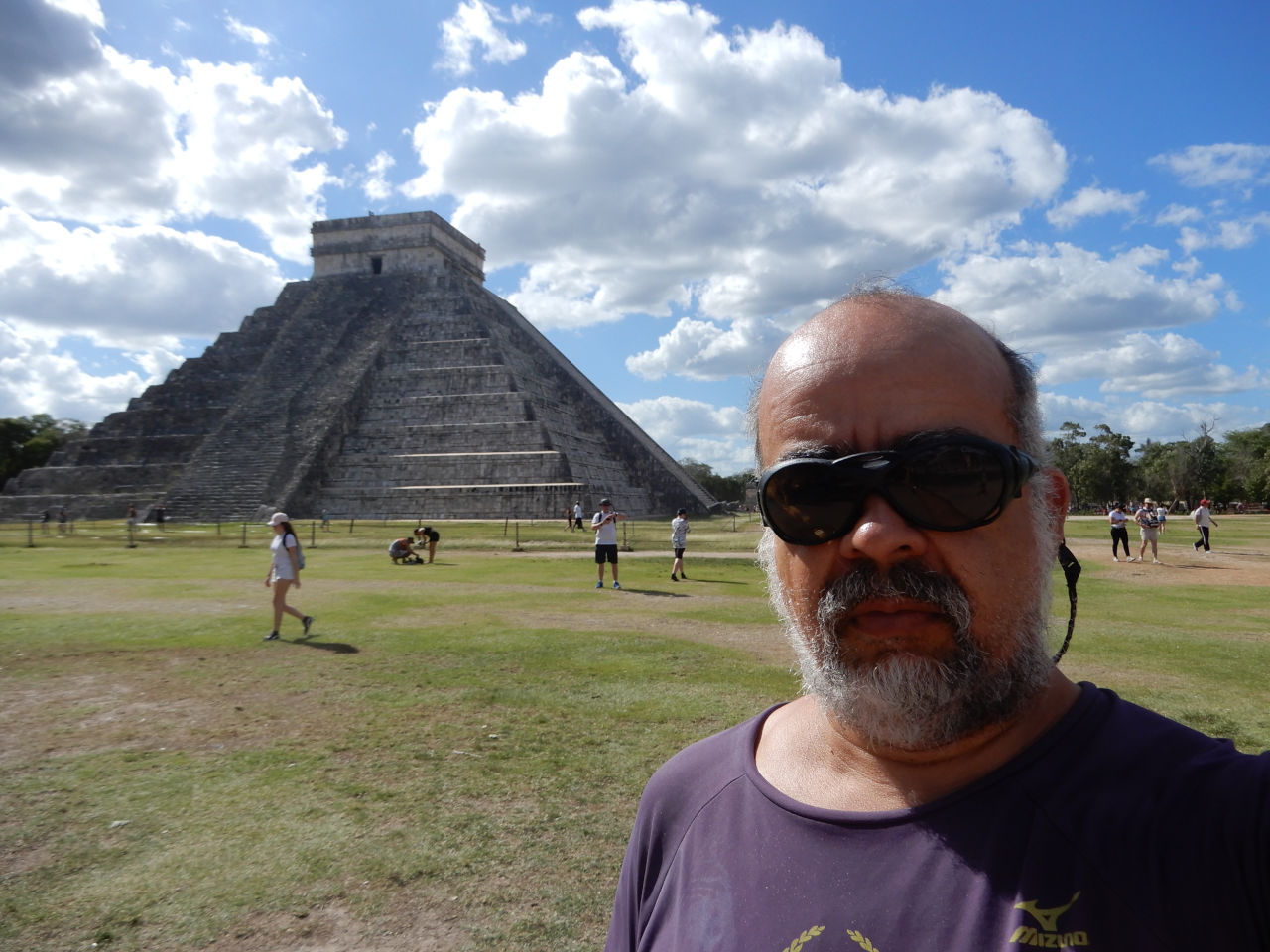
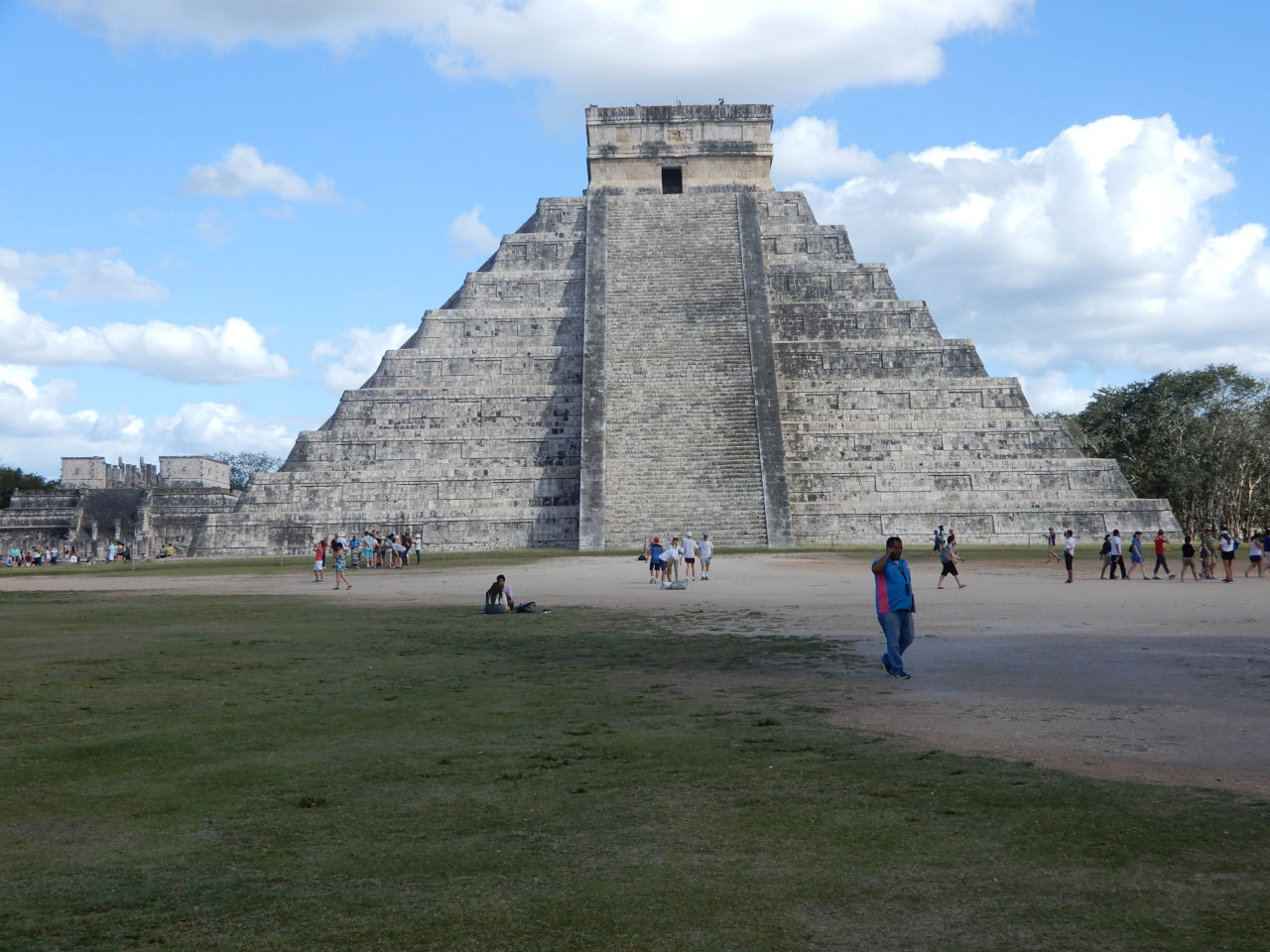
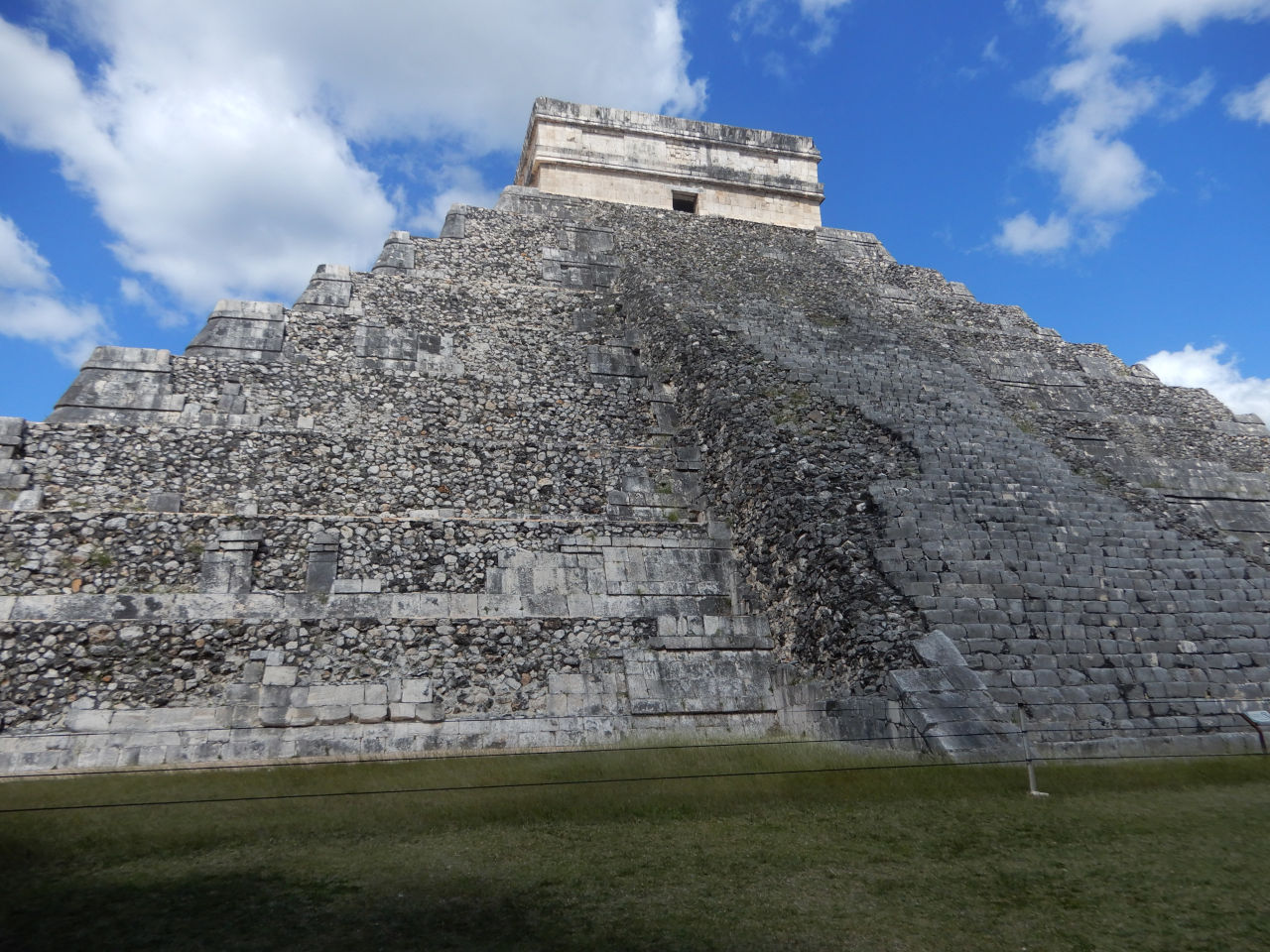
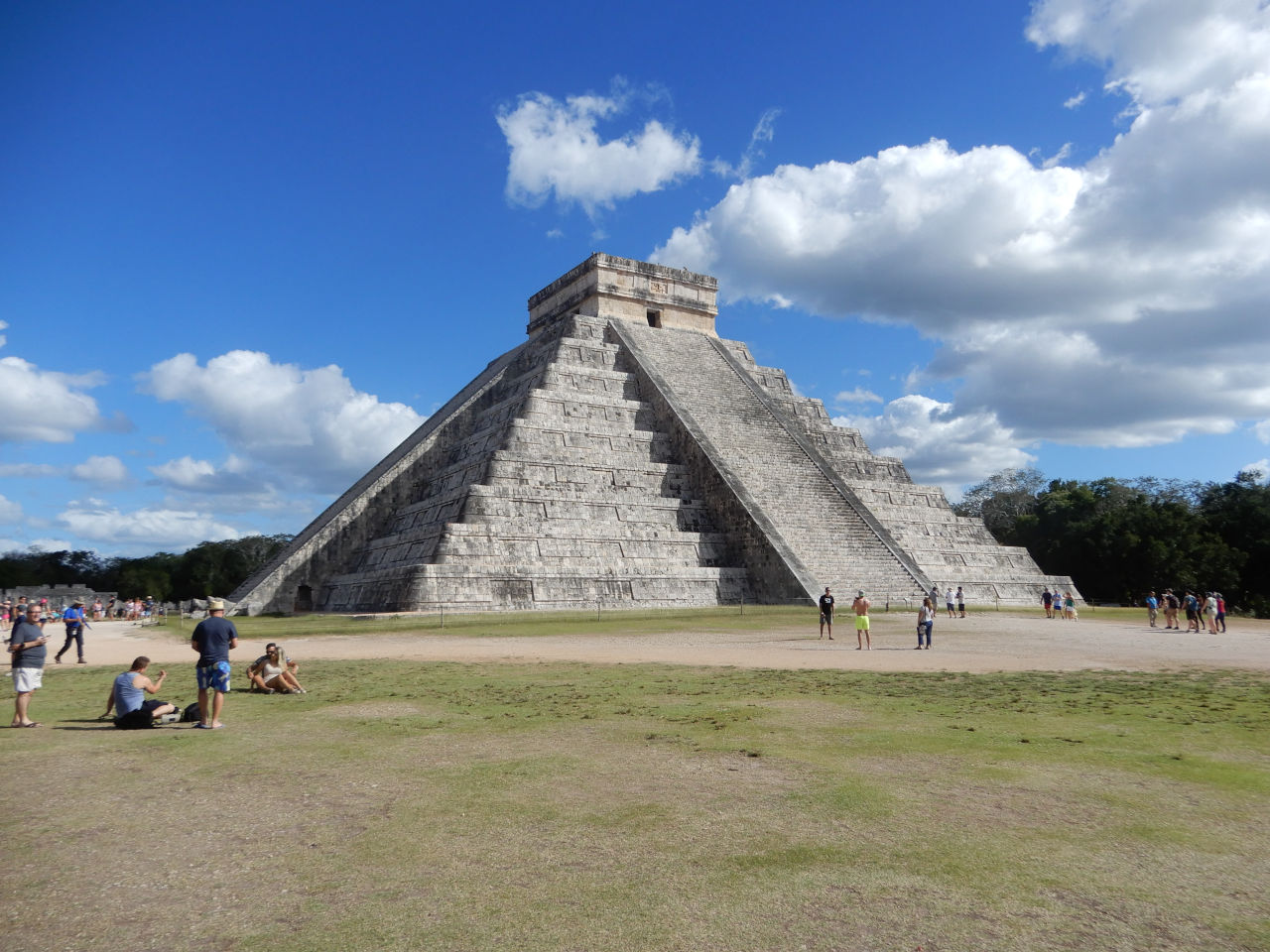
Crossing the park entrance and walking along the wooded trail until the vegetation opens up reveals the grand postcard view: the Pyramid of Kukulcán, also known as El Castillo. The imposing stone structure is immediately impressive.
What fascinates me most about this pyramid is its mathematical precision andastronomicalof the Maya. Every detail was planned: the four sides, together with the platform at the top, add up to the 365 days of the year.
If you clap your hands in front of the main staircase, the echo returns with a sound that perfectly imitates the song of the quetzal, a sacred bird. During the spring and autumn equinoxes, the play of light and shadow from the sun projects onto the stairs the image of a serpent descending the temple, representing the god Kukulcán himself.
Walking deeper into the complex, the size of the other structures is surprising. The Great Ball Court is the largest in all of Mesoamerica, and it’s impressive to imagine the athletes playing a ritualistic sport there where life and death were at stake.
The scenery takes on a more dramatic tone when visiting the Sacred Cenote, a huge natural well surrounded by limestone walls, formerly used for ritual offerings and sacrifices.
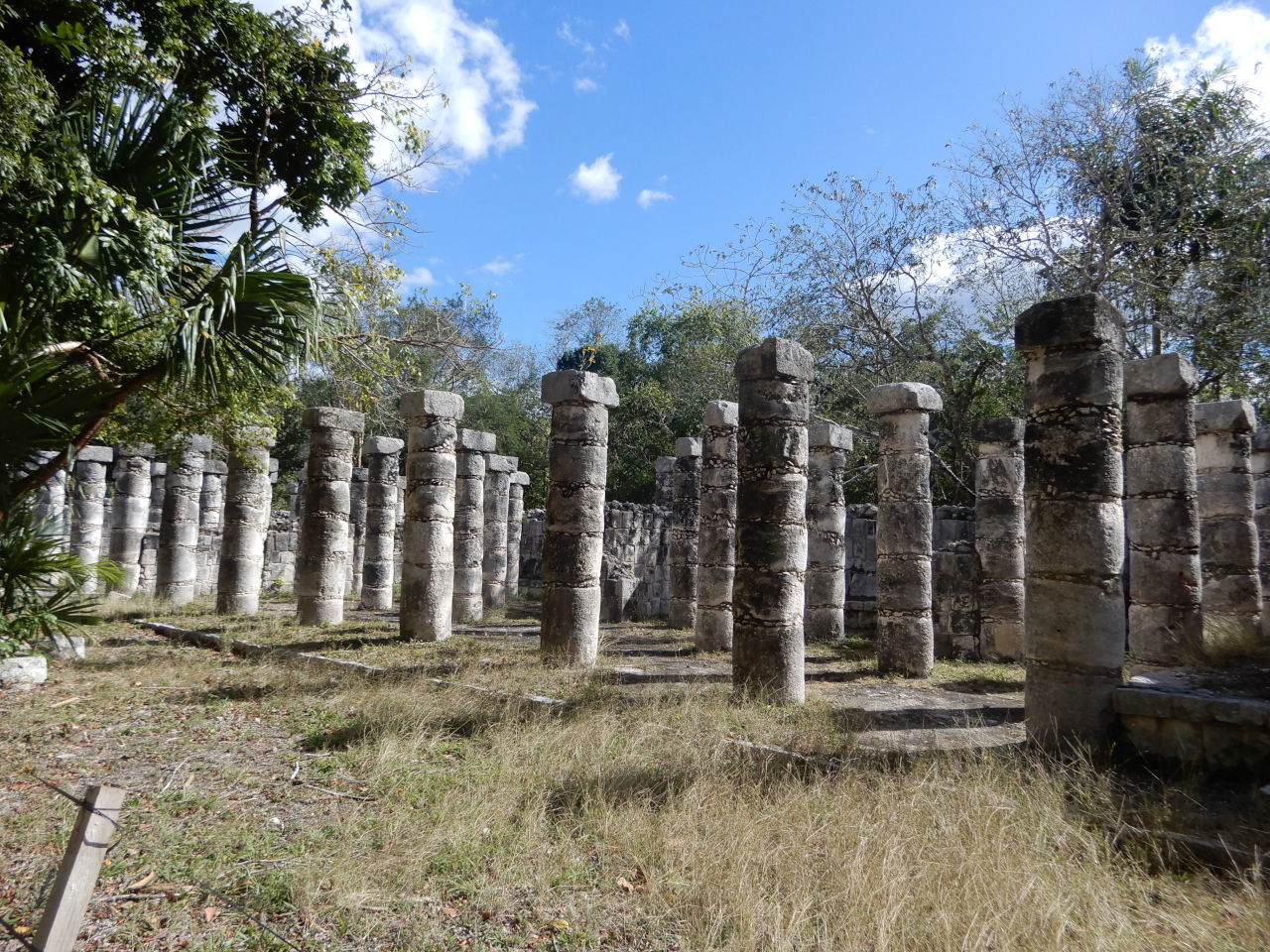
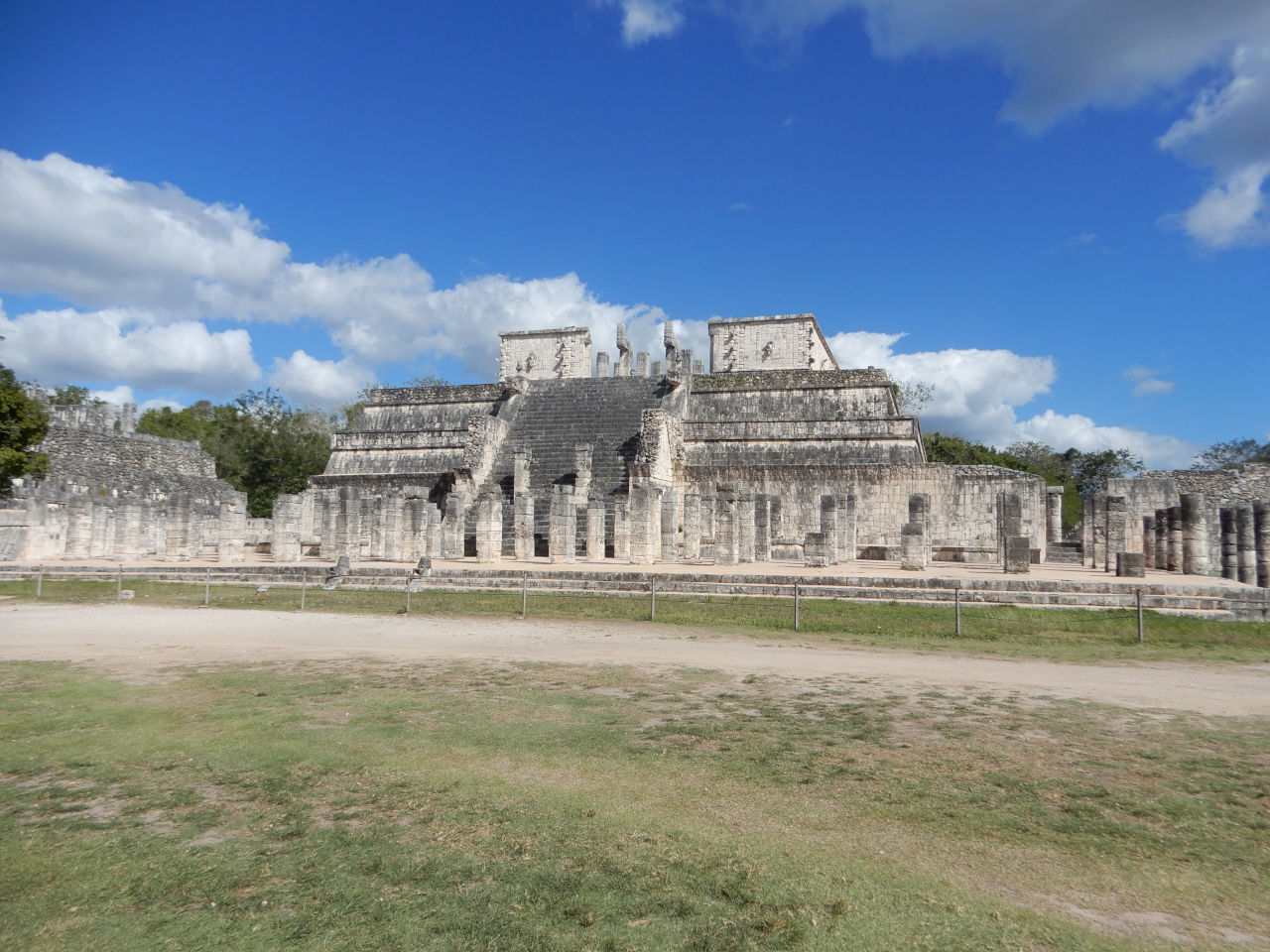
Passing through the Temple of the Warriors, surrounded by hundreds of stone columns, and observing the El Caracol astronomical observatory makes one realize the advanced level of knowledge of that society.
Exploring Chichén Itzá goes far beyond admiring ancient ruins; it’s a deep immersion into the history, myths, and genius of a civilization that left its eternal mark on time.
Petra - Jordan
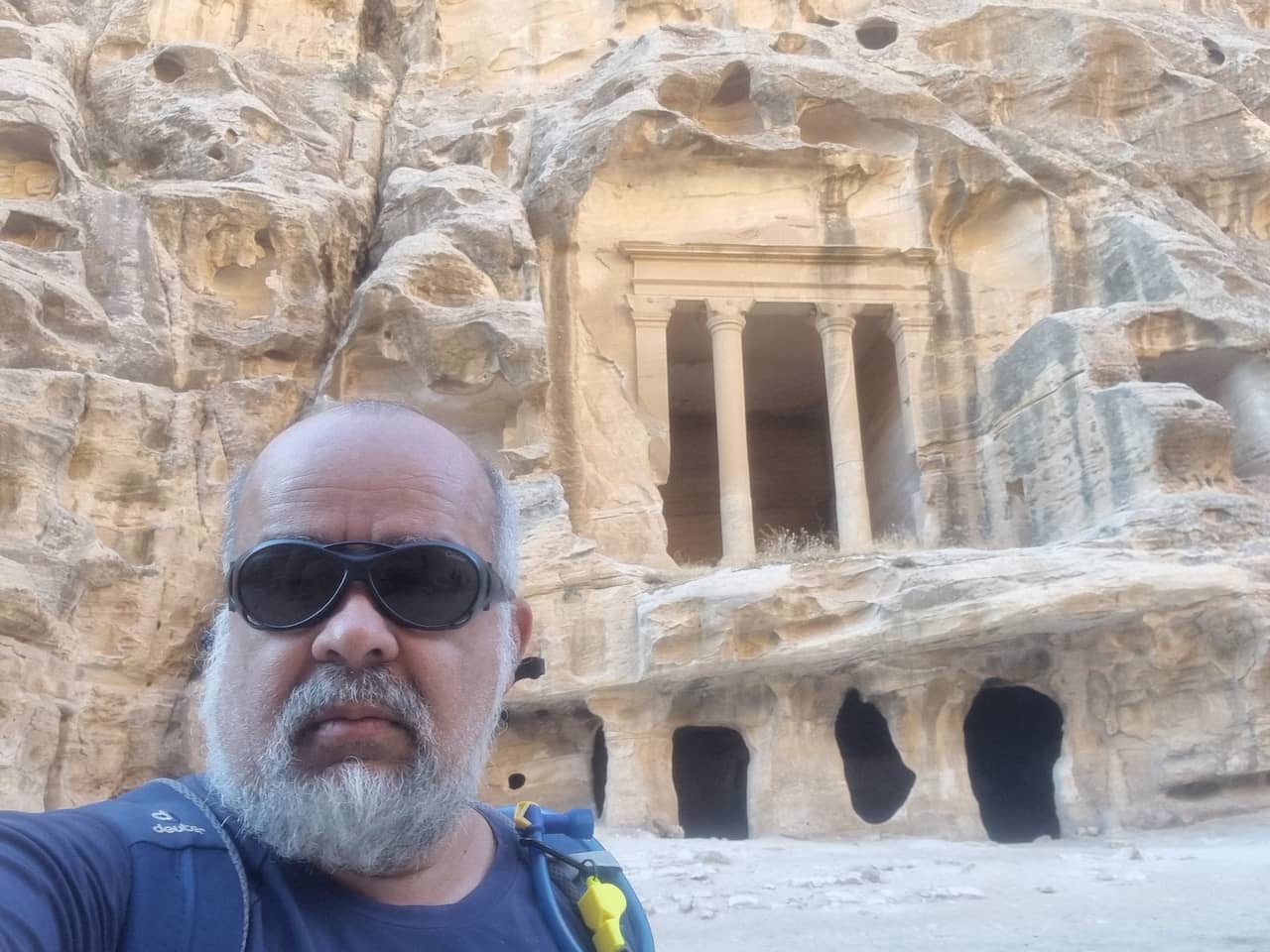
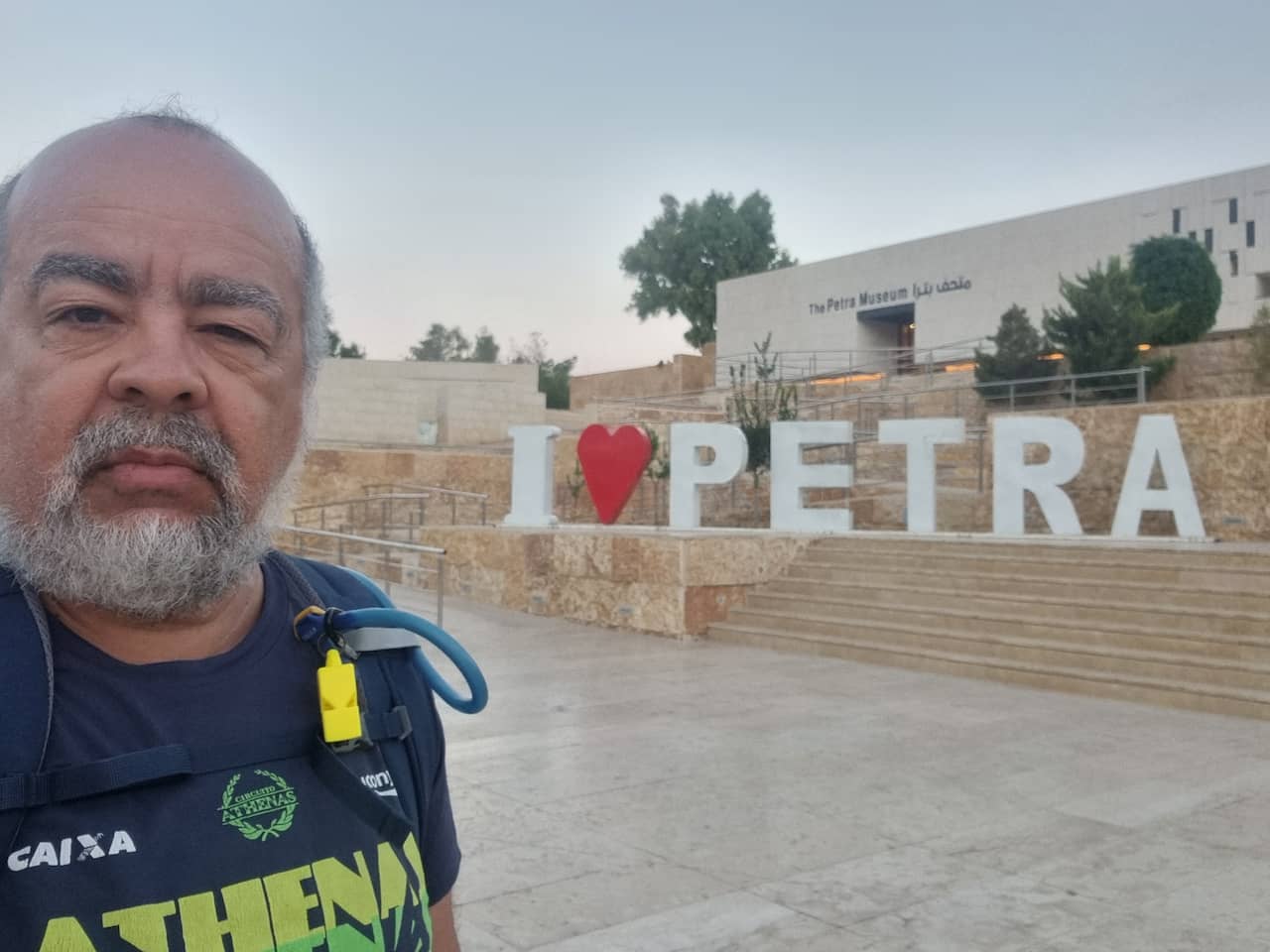
After three years of postponed plans due to the pandemic, I was finally able to land in Jordan to visit Petra.
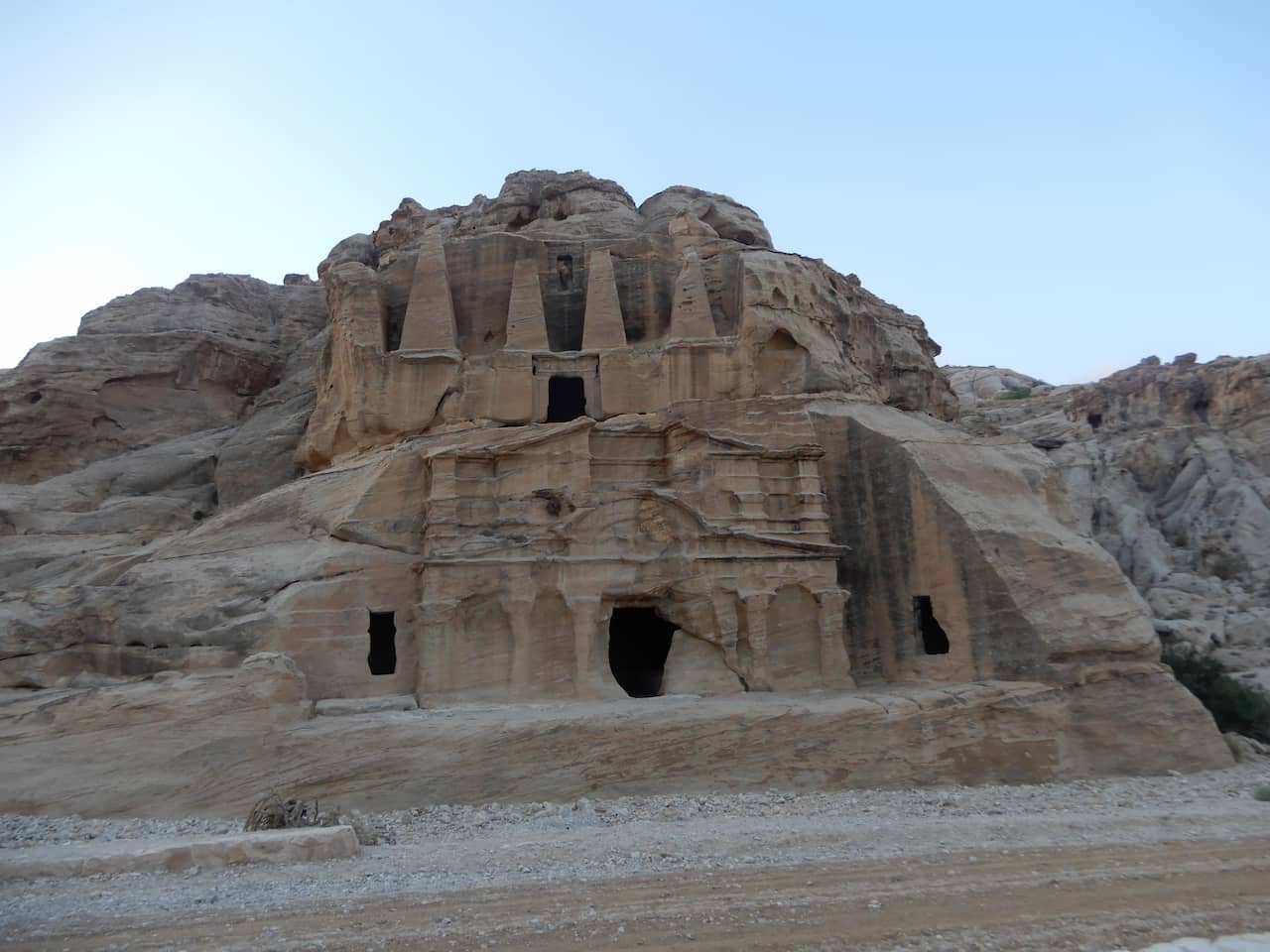
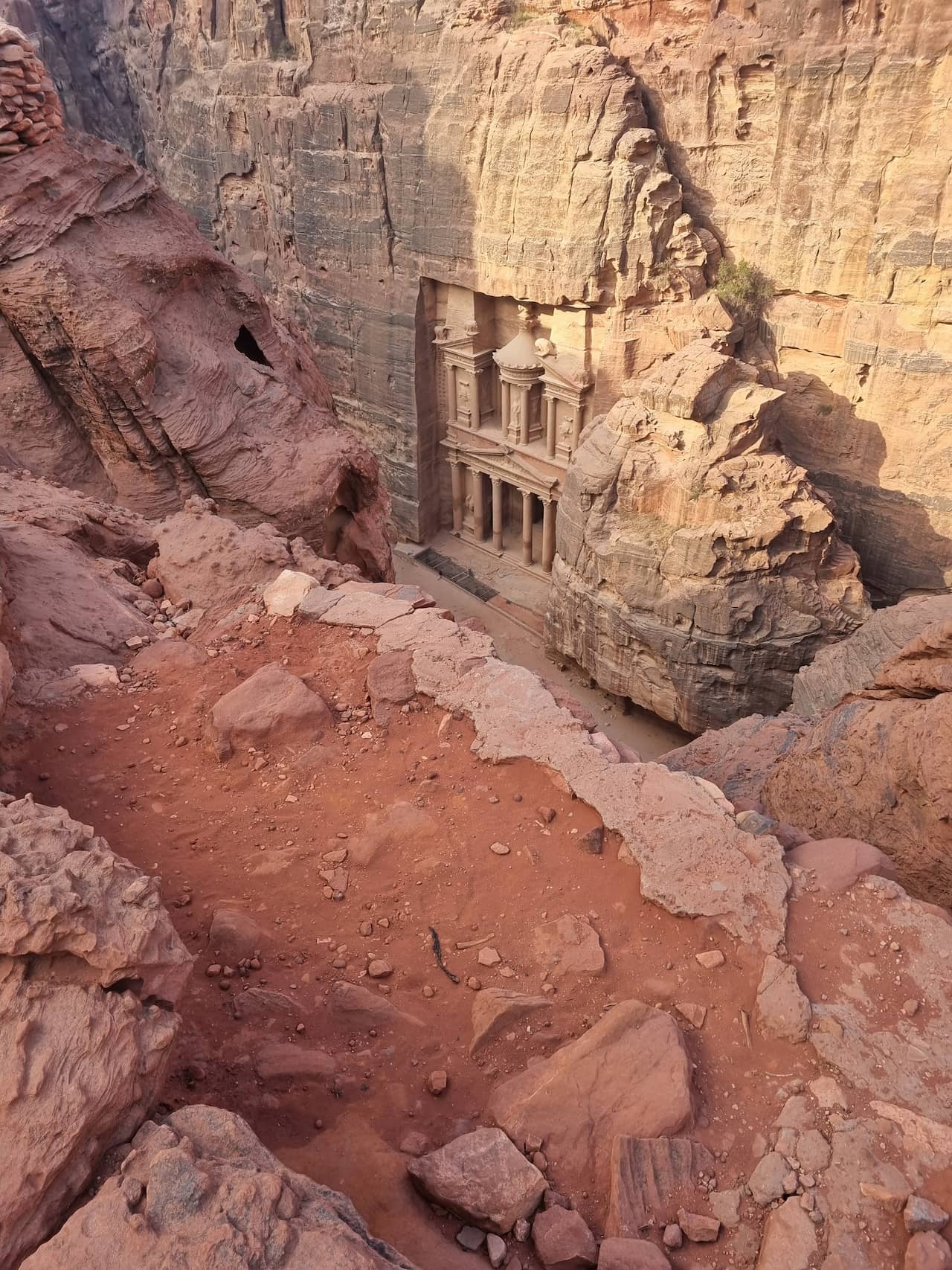
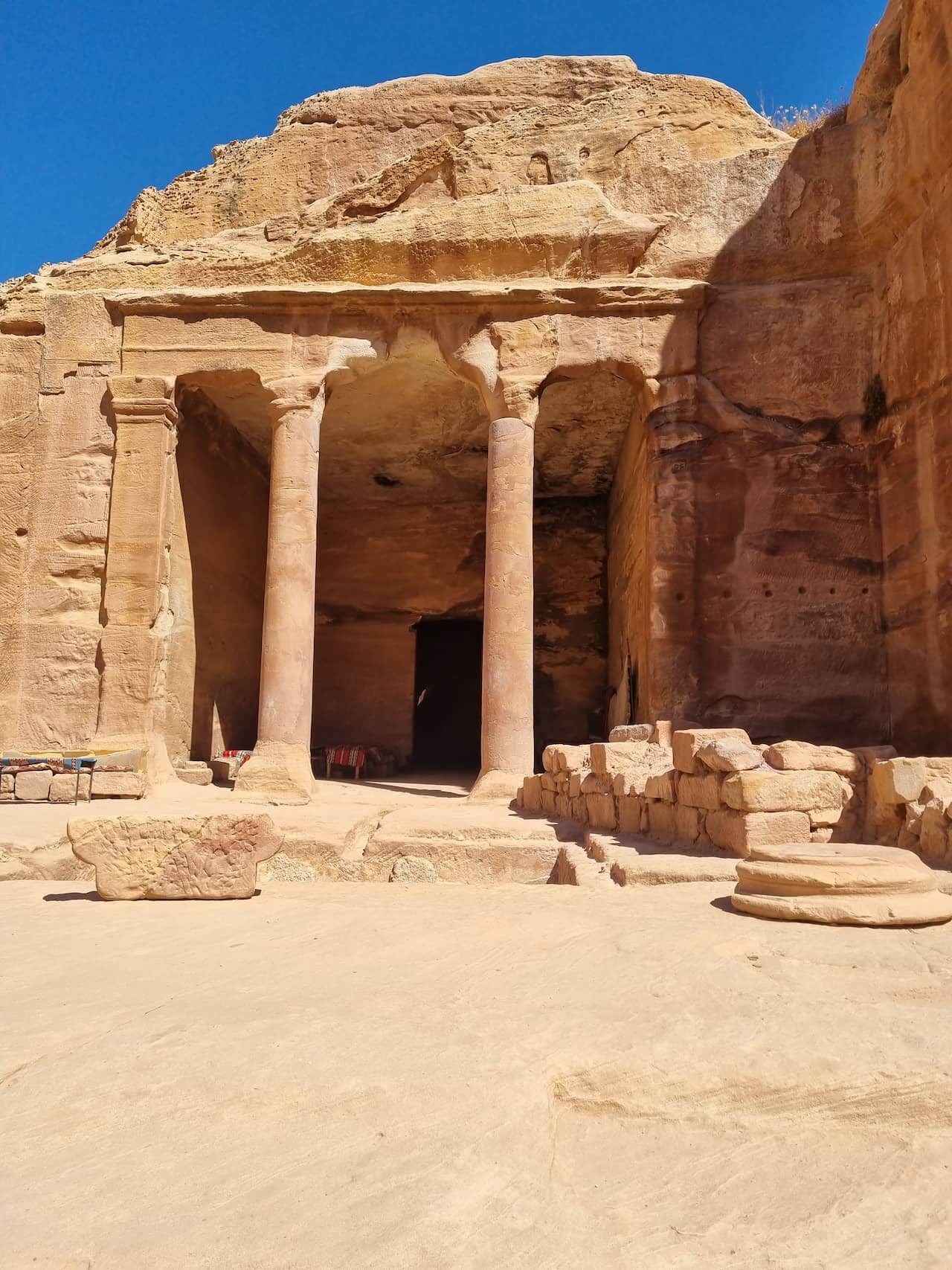
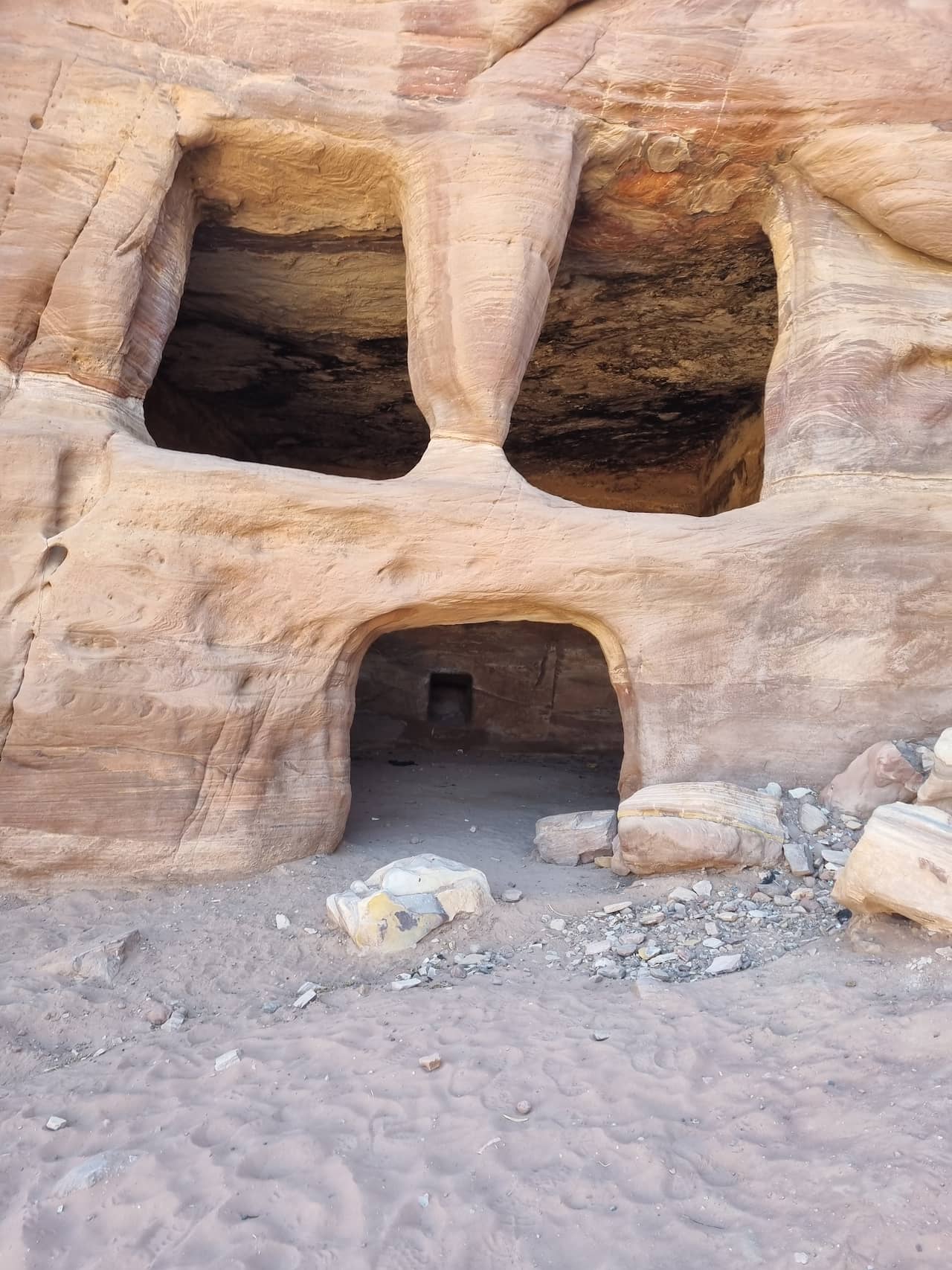
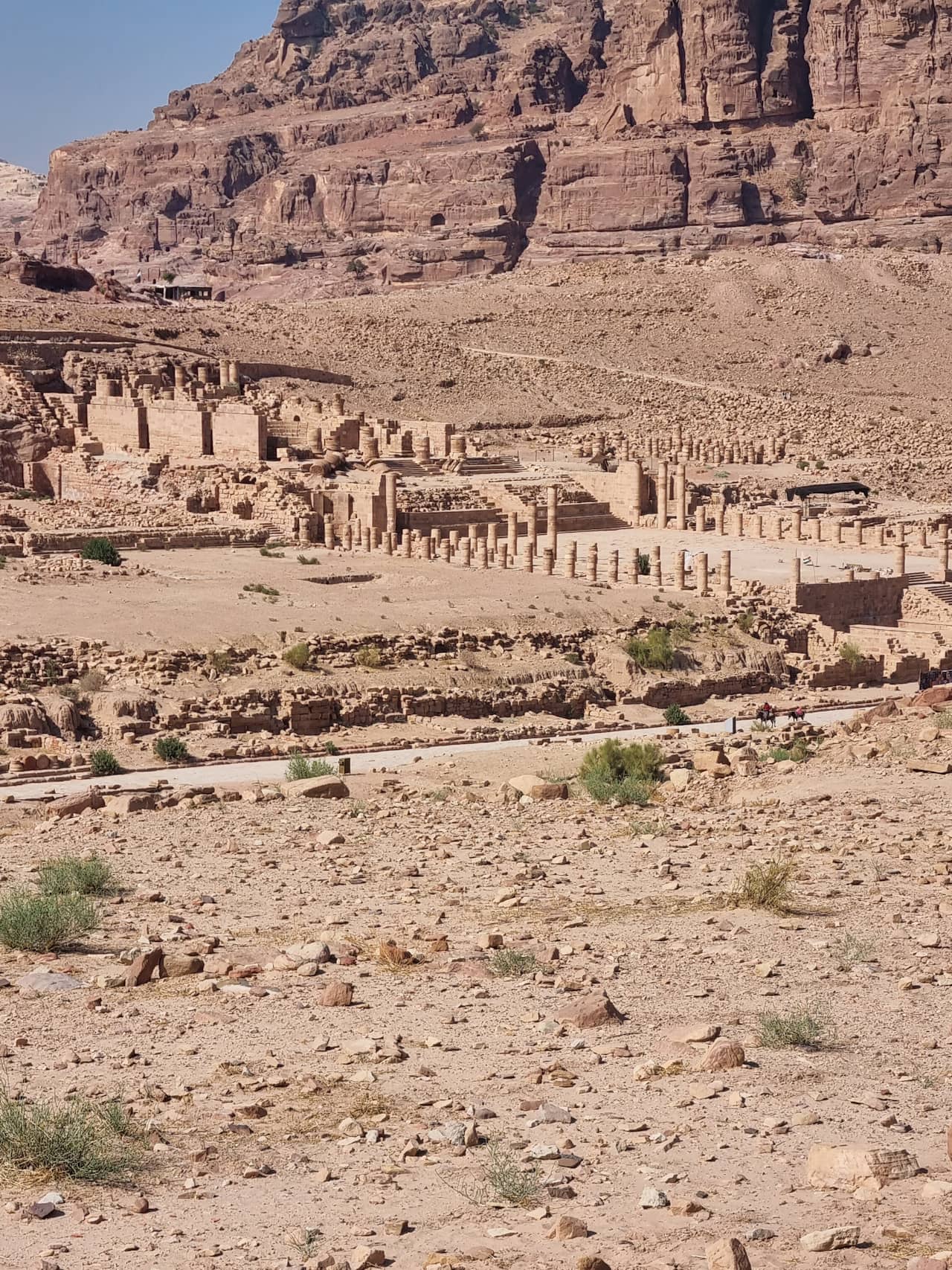
The city is carved directly into vibrant red, pink, and white sandstone cliffs. This prehistoric city was the thriving capital of the Nabatean Empire between 400 BC and 106 AD, serving as a strategic hub for trade routes in the Middle East.
The Nabataeans were brilliant engineers. Before being absorbed by the Roman Empire, they created innovative networks for collecting, storing, and irrigating water, traces of which can still be found in the desert today.
Over time, the city was abandoned and remained “lost” to the Western world for hundreds of years. This changed in 1812 when the Swiss explorer Johann Ludwig Burckhardt, traveling disguised in Arab attire, rediscovered the place.
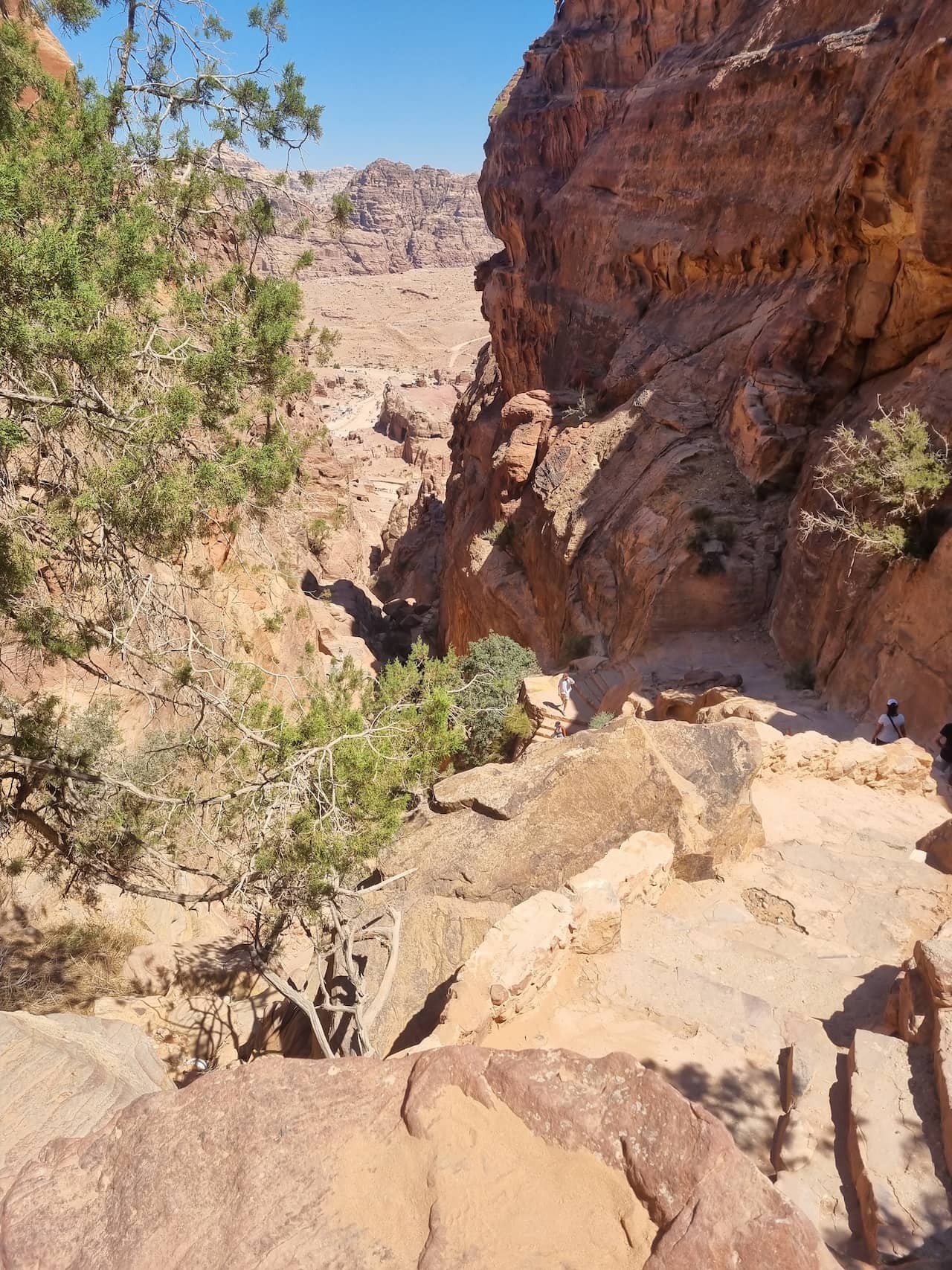
Declared a UNESCO World Heritage Site in 1985 and chosen as one of the seven wonders of the modern world in 2007, Petra still hides secrets: it is believed that only 15% of its entire structure has been excavated to date.
The Experience of Walking Through the Siq to the Treasury
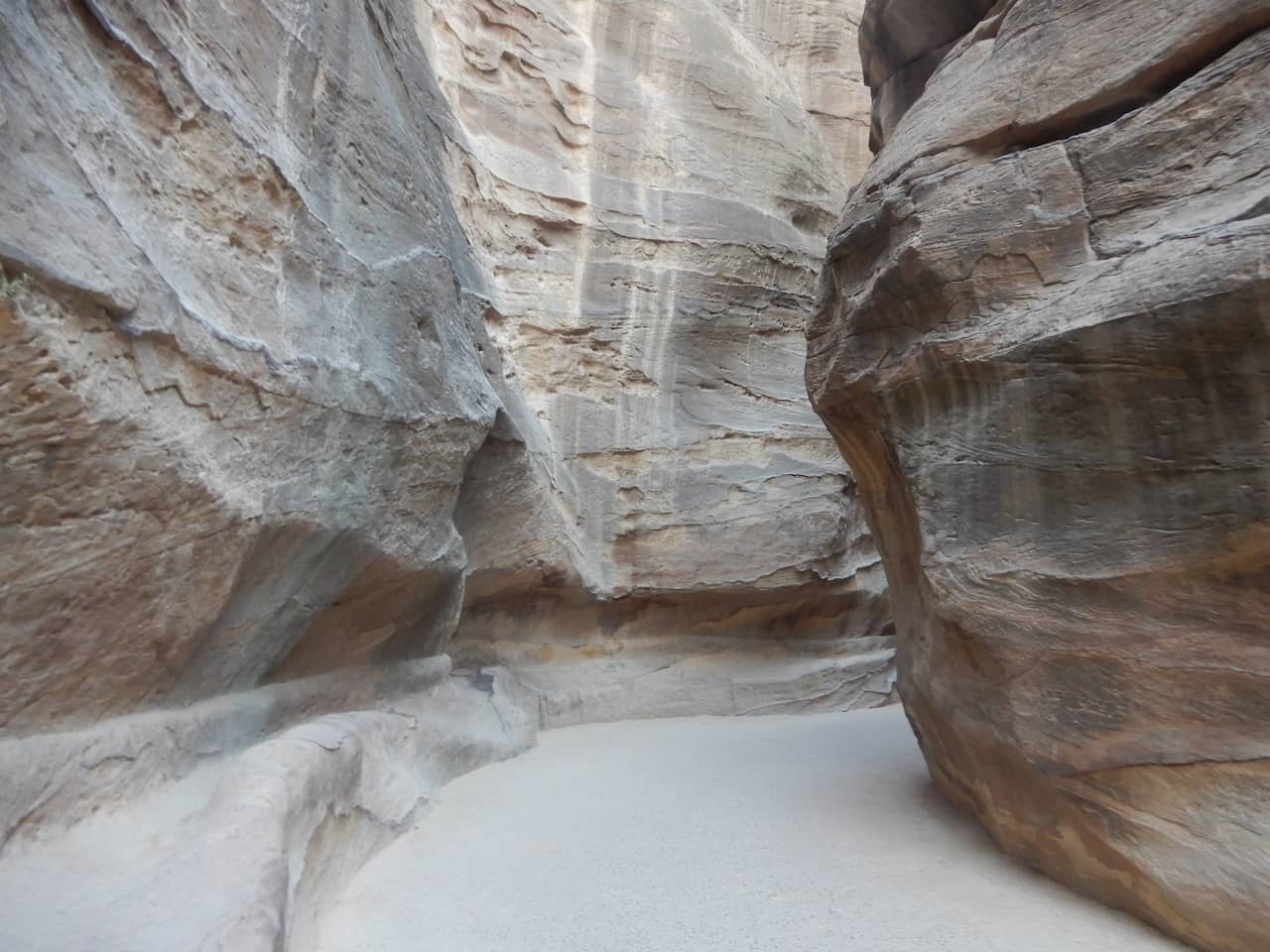
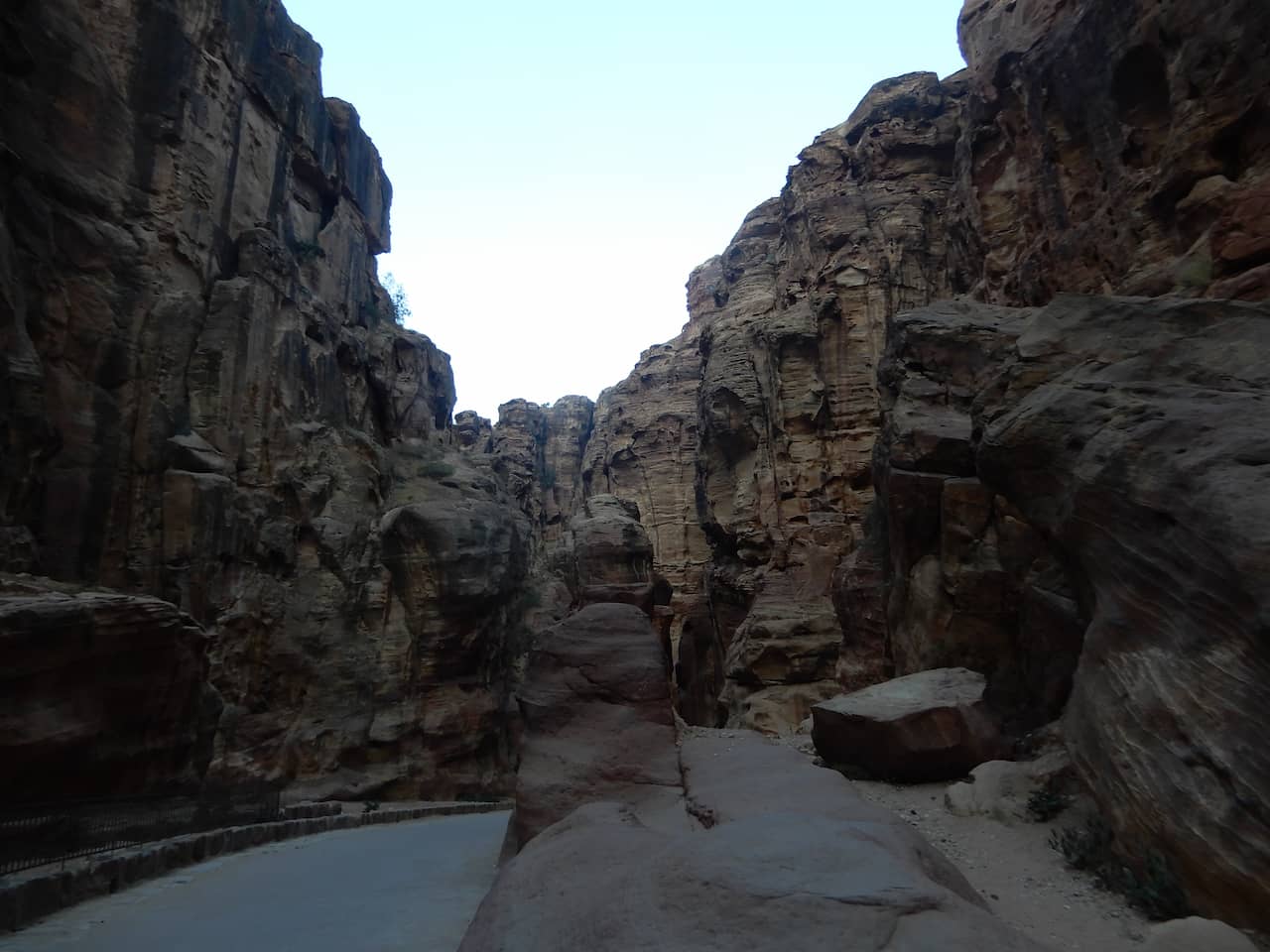
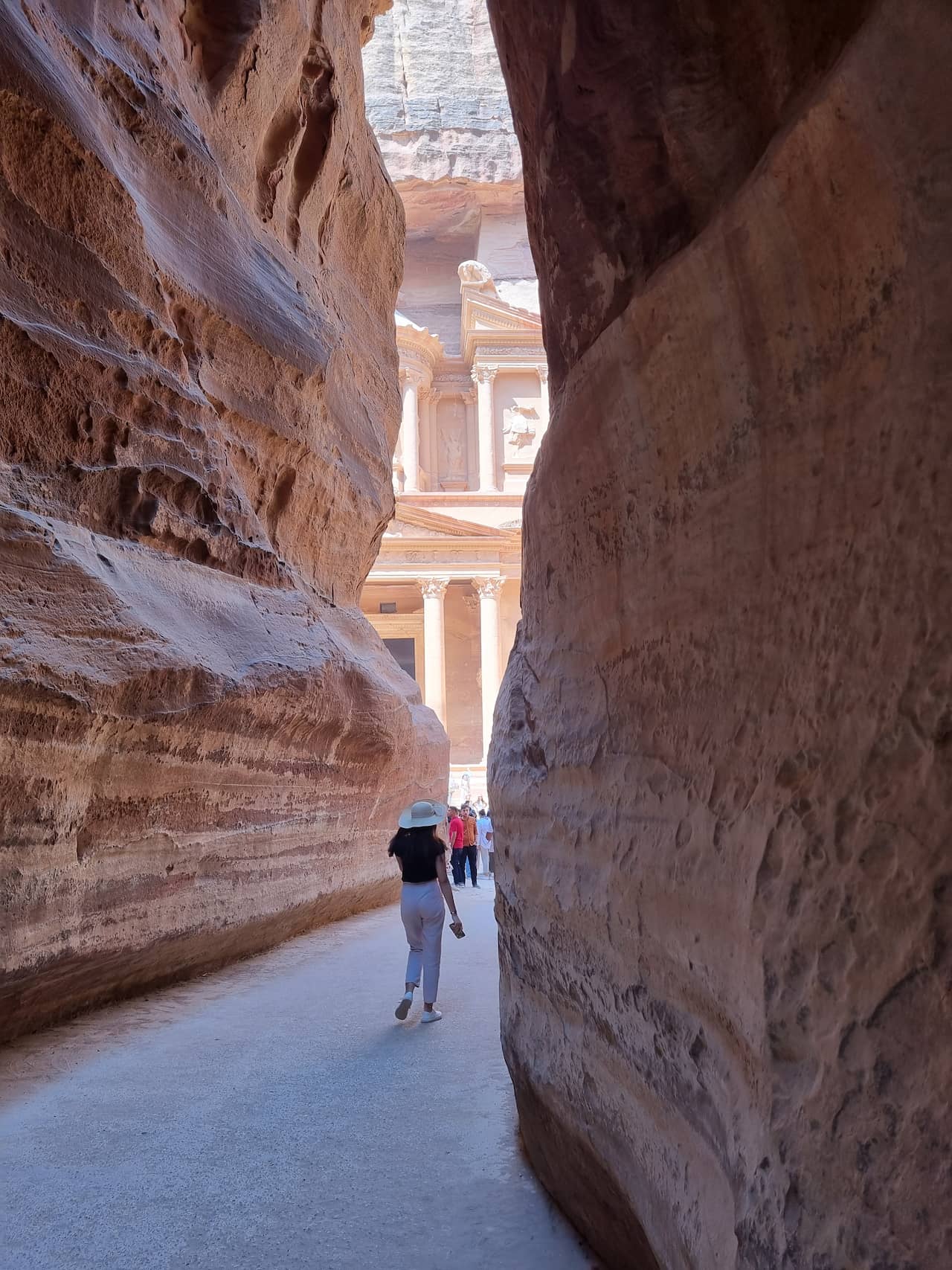
The journey to enter the ancient city is a mixture of anxiety and enchantment. Access begins throughTight,a winding natural gorge with sandstone walls that reach up to 76 meters in height.
Walking through this narrow corridor, where sunlight timidly enters, casting shadows on the colorful rocks, makes you feel like you’re in a movie set. The reference toIndiana Jones and the Last CrusadeIt inevitably comes to mind at every step.
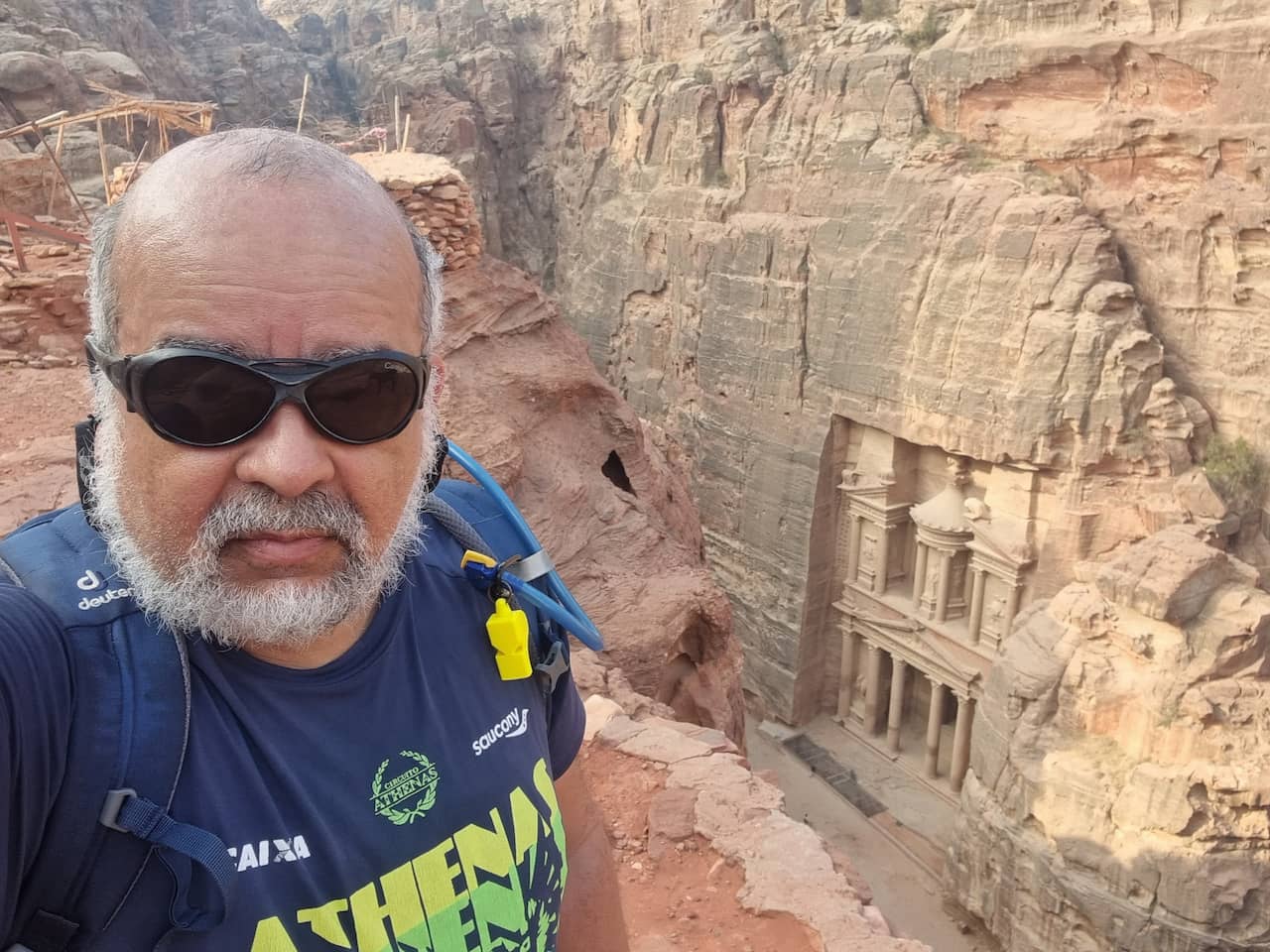
The walk through the Siq builds perfect suspense. The path narrows until, suddenly, through a crack between the gigantic stone walls, the most famous sculpted facade in the world appears:Al-Khazneh, the Treasury.
Emerging from the gorge and coming face to face with that immense structure, over 40 meters high, carved directly into the living rock with impeccable architectural details, is a visual shock. The pinkish hue of the stone shines under the desert sun, contrasting with the movement of camels and Bedouins who preserve the atmosphere of the place.
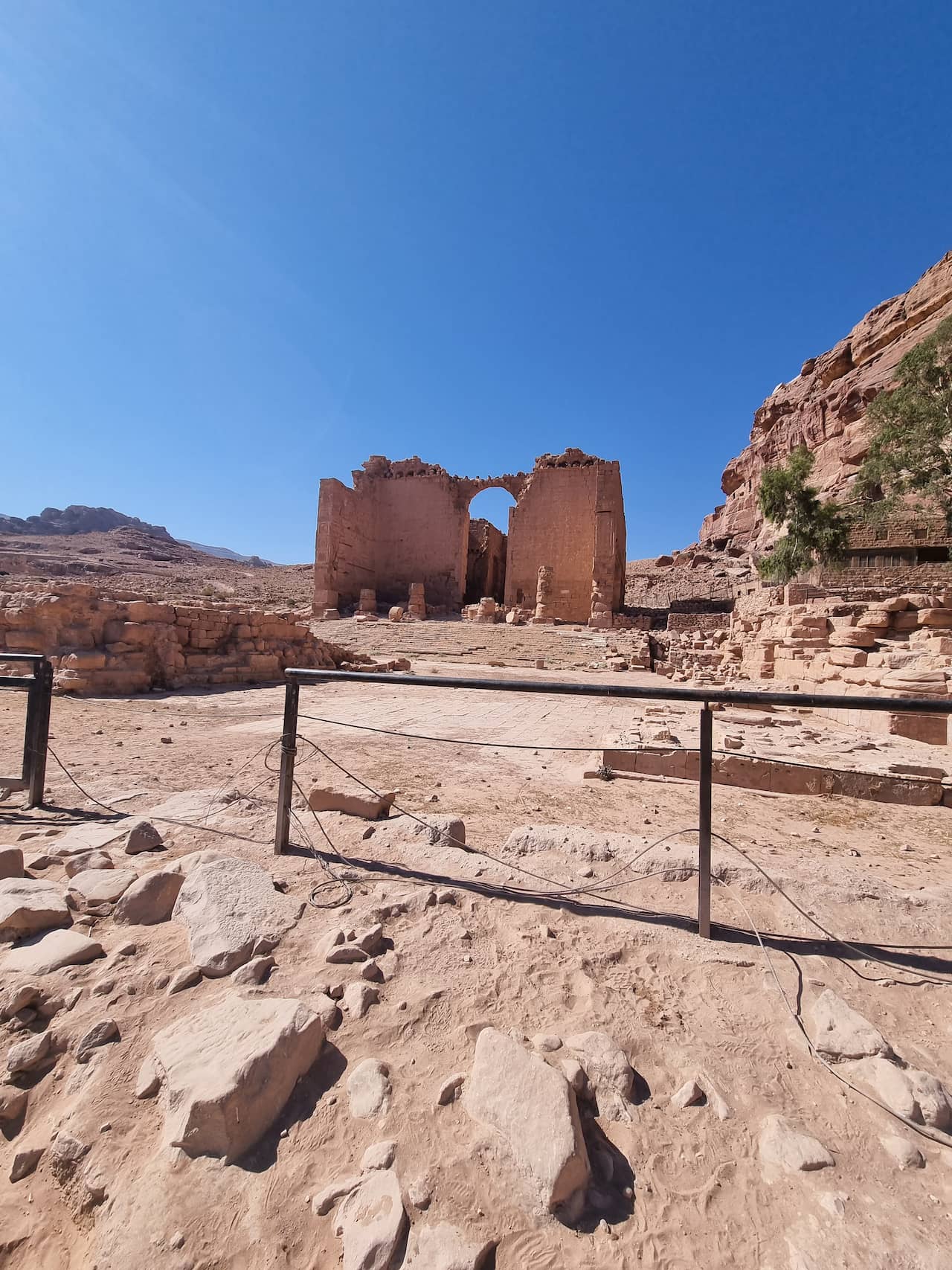
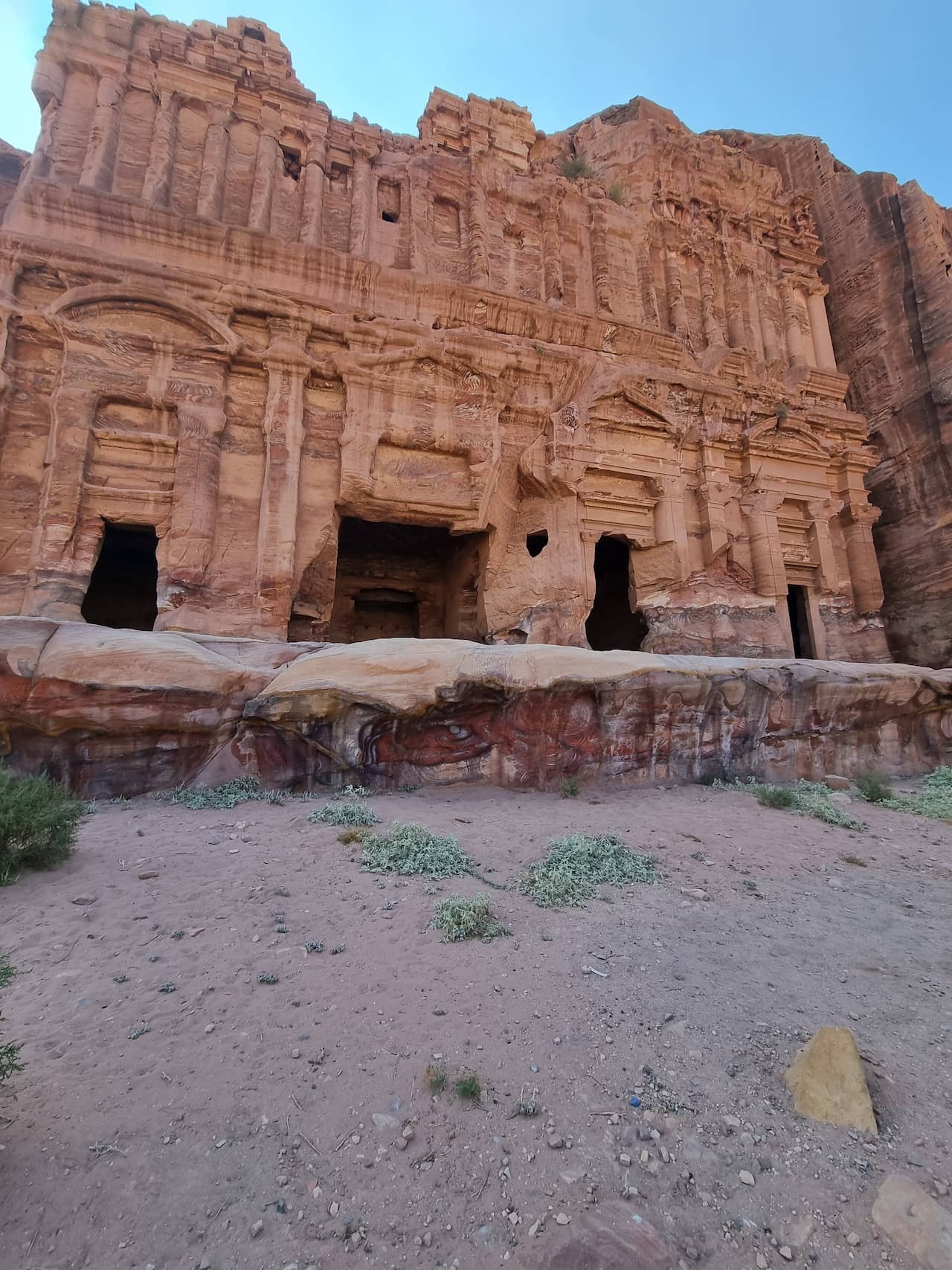
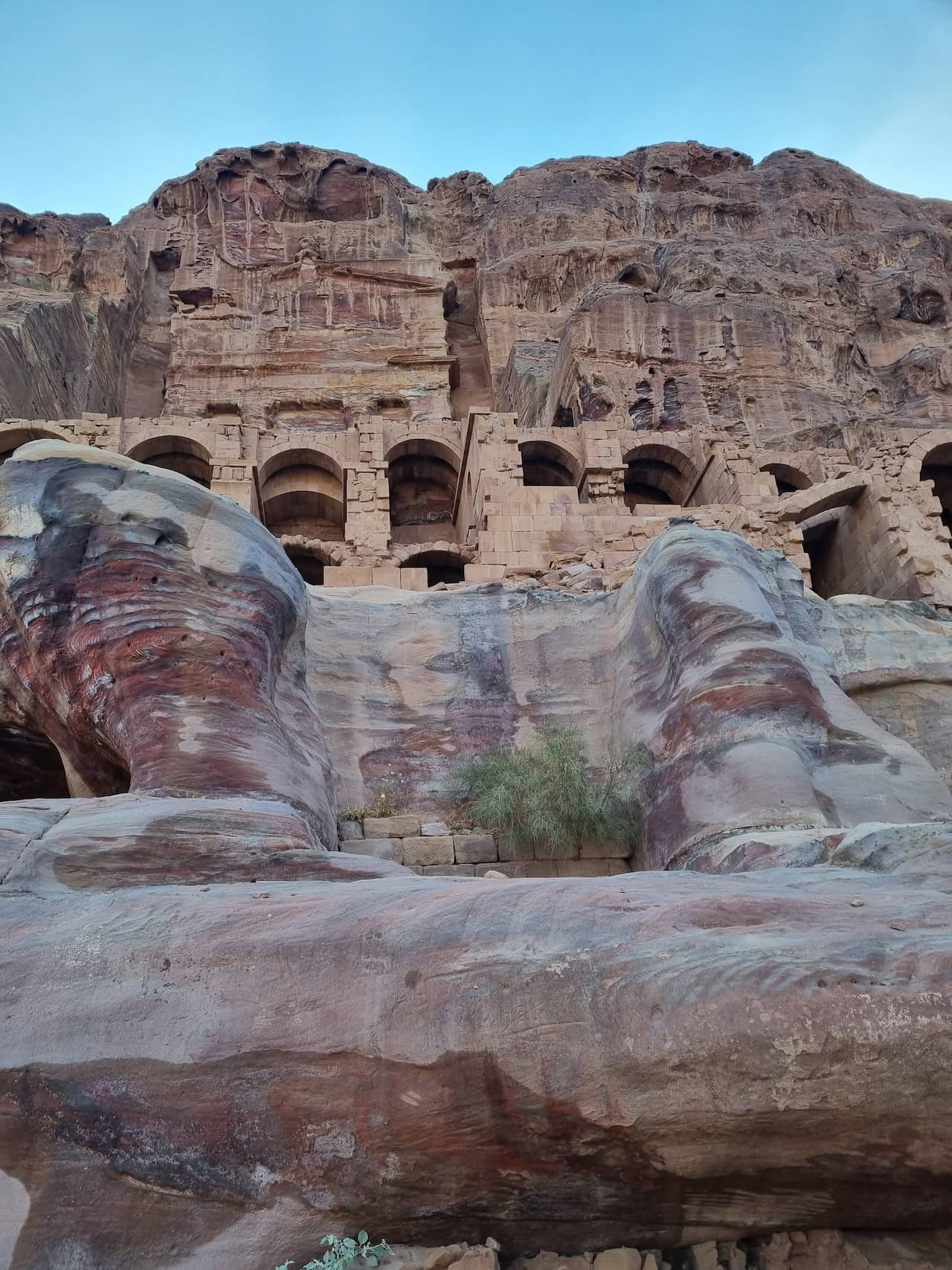
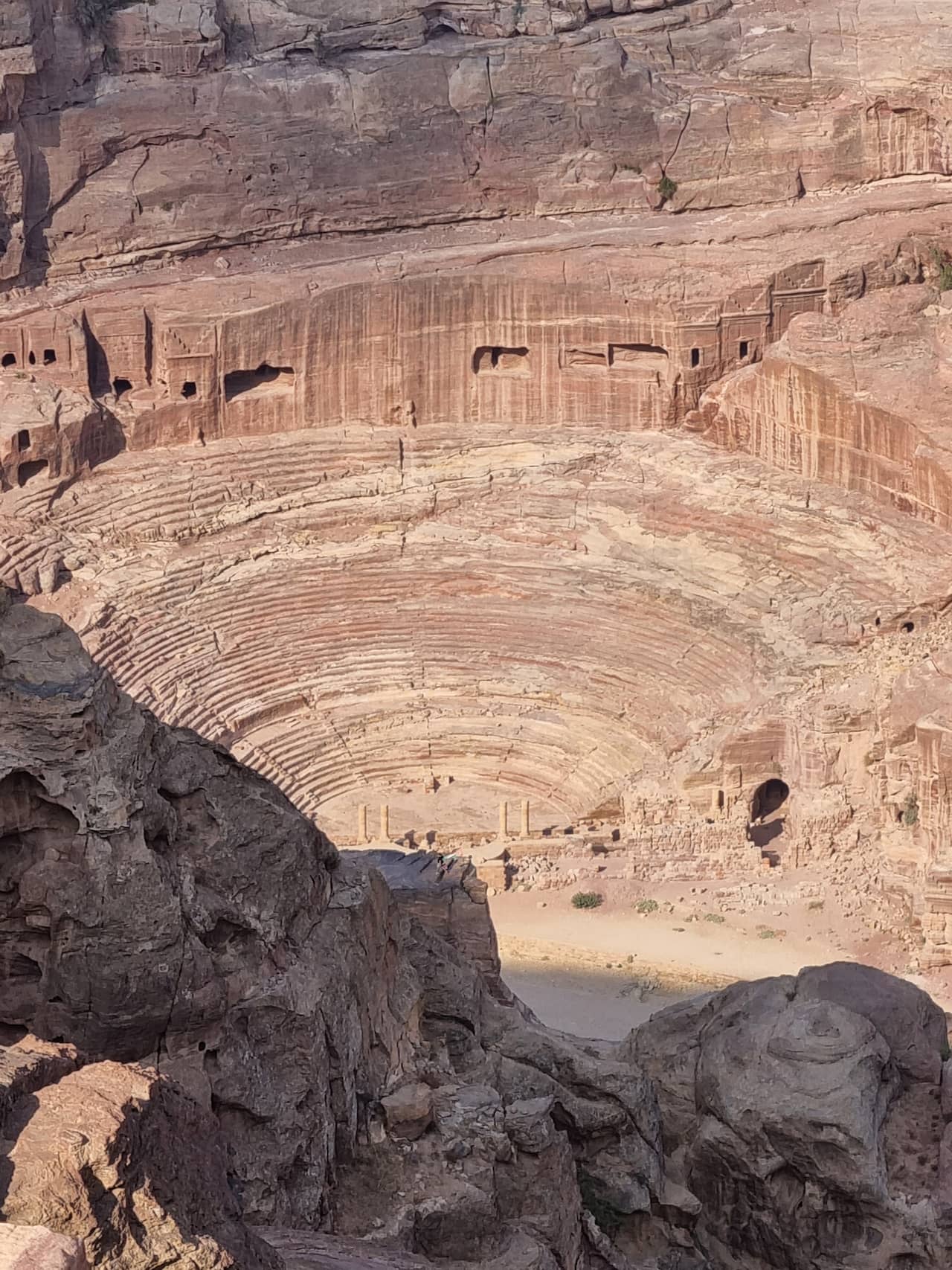
But the Treasury is just the gateway. As you continue exploring, the city opens up into a monumental valley filled with royal tombs, a huge Roman amphitheater, and impressive facades that defy the logic of the era in which they were built.
Being in Petra is like walking through the pinnacle of ancient engineering and feeling the grandeur of a civilization that shaped the desert. An experience that justified every day of waiting.
Now the list is complete and new adventures are coming.
Let's travel?
Still have questions or need inspiration?
Check out the Blog section, with lots of unmissable tips and articles that will prepare you to discover incredible destinations.
Your next trip starts here
Ready? Then let's hit the road...
Book your flight.
Finding cheap flights can be difficult and stressful, but with the tips from the Blog and using Skyscanner or Google flights, the task can even be enjoyable.
Today, these are the most complete tools on the market
Book your accommodation.
With that in mind, it’s time to choose your accommodation.
The best tool is Booking.com.
For those who are going to use hostels, the best tool is Hostelworld.
I have used both very often and always find the best prices.
Get your insurance
Insurance is something we never want to use, but it is traumatic if we need it and don’t have it.
It will cover the costs of any eventuality of illness, injury, theft and/or cancellations of tickets, hotels, etc.
I have used WorldNomads or Assistcard, which always have the insurance with the coverage that travelers need, in addition to having coverage worldwide.